


Peavey Evh Buying guide
Peavey Evh: A Complete Buyer's Guide
A Peavey EVH represents iconic high-gain tone designed by Eddie Van Halen. This buying guide covers amp configurations, real-world power, price tiers, and how to decide if a Peavey EVH suits your playing style and budget.
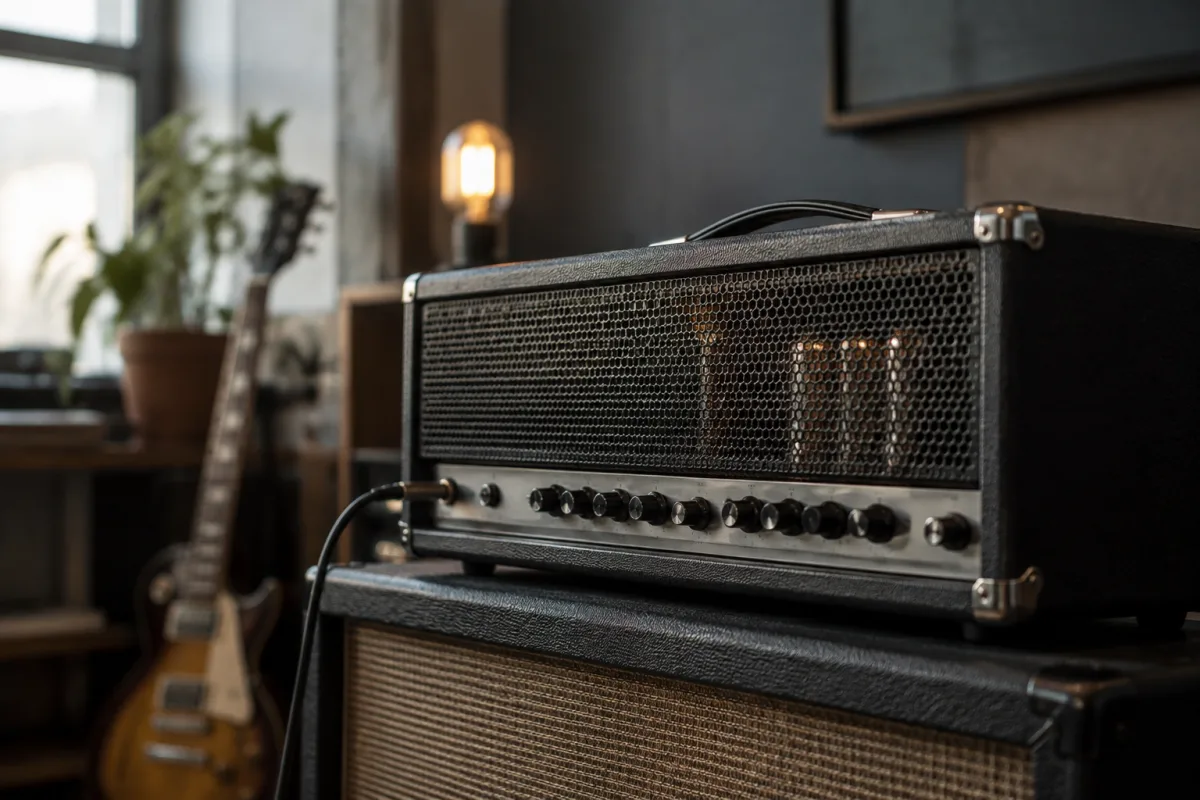
A Peavey EVH amplifier represents 1980s innovation brought forward into modern times—designed by Eddie Van Halen himself, these amps offer high-gain crunch and reliability in a format that's become iconic in rock and metal. Buying a Peavey EVH isn't a simple decision: they come in several configurations, price tiers, and power ratings. This guide walks you through what distinguishes these amps, who they're best suited for, common pitfalls when buying, and how to assess whether a Peavey EVH matches your needs and budget.
Understanding Peavey EVH Configurations
Peavey makes several EVH models: the 5150 (renamed later as EVH 5150), the 6505, the 5150 III (the modern iteration), and the 20-watt studio version. Each configuration differs in output power, speaker configuration, and sonic voicing. A Peavey EVH combo is a single unit with amplifier and speakers built in; a head requires a separate cabinet. Stack configurations pair heads with larger cabinets for more volume and stage presence.
Your choice depends on where you'll play. A Peavey EVH 20W combo suits bedrooms and small studios. A 50W head into a 1x12 cabinet works for rehearsals and small clubs. A full 100W stack dominates large venues and recording studios. Understand your venue size before choosing a Peavey EVH configuration.
Power Ratings and Real-World Volume
A Peavey EVH's wattage doesn't directly equal loudness. A 50W amp isn't twice as loud as a 25W model. Real-world volume depends on speaker efficiency, cabinet design, and the efficiency of the room. Many 50W Peavey EVH heads sound louder than some 100W competitors because of superior speaker design.
For home use, 20–50W Peavey EVH amps are more than sufficient and avoid overpowering your space. For touring or recording studios, 100W provides headroom and professional tone. Don't assume you need maximum wattage: match the amp to your actual venues.
Build Quality and Longevity
Peavey EVH amps are built ruggedly. They handle road abuse, temperature swings, and heavy use without failing. The amplifier circuit has proven reliable over decades. That said, like any tube amplifier, components eventually wear out—tubes weaken, capacitors fail. A used Peavey EVH purchased from a reputable dealer often has many years left. Budget for occasional tube replacements (£20–£50 per tube) and professional servicing if problems arise.
Avoid buying a used Peavey EVH from unknown sources or sellers with no history of the amp's care. Professional dealers can provide history and often offer guarantees, worth the higher upfront cost for peace of mind.
Tone and the EVH Signature Sound
A Peavey EVH is voiced for high-gain crunch and sustain. Clean channels exist but aren't the amp's strength; it excels at driven and lead tones. The EVH's midrange punch cuts through mixes; it's favoured by rock and metal players. If you need versatile clean tones or jazz-oriented warmth, a Peavey EVH isn't your best fit.
Newer Peavey EVH models (like the 5150 III) offer more tonal flexibility than early versions. Vintage EVH amps (pre-2000) are more one-dimensional tonally but are prized for their raw, aggressive character.
Price Tiers and Real Value
A Peavey EVH 20W combo costs £300–£500. Mid-range 50W heads run £600–£1,000. Full 100W Peavey EVH stacks range £1,200–£2,000+ depending on year, condition, and cabinet configuration. Used vintage Peavey EVH amps (1980s–1990s) are rare and often command premium prices from collectors, sometimes exceeding new models.
For most players, a used mid-range Peavey EVH 50W head from the 2000s offers the best value. You get iconic tone, proven reliability, and affordability. New models cost more but offer modern conveniences and warranty coverage.
Common Mistakes When Buying
Don't assume all Peavey EVH amps are identical. Early models differ significantly from modern versions. Test or research the specific model year before committing. A 1985 Peavey EVH sounds and behaves differently than a 2015 model.
Avoid buying a used Peavey EVH without testing it first if possible. Tube amps can fail silently or intermittently. Buy from dealers offering return periods or guarantees. If buying privately, arrange a demo or test before payment.
Don't overspend based on brand alone. A Peavey EVH is desirable, but a modern alternative amp at the same price might offer more versatility or better build quality for your specific needs. Owning an EVH because it's iconic is valid, but know what compromises you're making tonally.
Impedance and Cabinet Matching
A Peavey EVH head's output must match your cabinet's impedance (typically 8 or 16 ohms). Using mismatched impedance can damage the amplifier. Always verify cabinet impedance before plugging in. If stacking multiple cabinets, impedance changes—ensure your Peavey EVH supports the load.
Tube Life and Maintenance
Tubes in a Peavey EVH typically last 1–3 years depending on usage. New power tubes cost £20–£50 each; preamp tubes are cheaper. Budget for occasional tube replacement as normal maintenance. If your Peavey EVH loses volume, cuts out, or sounds different, tubes are often the cause and worth replacing before assuming major problems.
Have a qualified technician handle tube replacement and amp servicing. Tube amps carry dangerous voltage; professional work is safer and often extends amp lifespan significantly.
Deciding Whether a Peavey EVH Suits You
A Peavey EVH is the right choice if you play rock or metal, value the iconic EVH tone, have a dedicated space to play, and can afford the price. It's not ideal if you need versatile clean tones, play jazz or funk, gig constantly without reliable transport, or are budget-constrained and compromise tone for affordability matters.
To understand Peavey EVH amplifiers more deeply—their history, circuit evolution, and why they've remained iconic for decades—read the complete guide to Peavey EVH. That covers the background; this piece focuses purely on the buying decision and evaluating whether a Peavey EVH fits your actual needs.
Buying a Peavey EVH is an investment. These amps last decades, hold resale value well, and deliver consistent tone. Whether you're a tone-obsessed player seeking iconic gear or someone genuinely suited to the EVH's high-gain character, research your specific model, verify condition, and buy from reputable sources. A well-chosen Peavey EVH becomes a reliable tool for years of playing.


Comments