


Orange Guitar Amp article
Orange Guitar Amp for Beginners: A Complete Guide
Starting with an Orange guitar amp? Learn what makes them beginner-friendly, how to choose the right wattage, master the essential controls, and discover what you might be missing about how they sound at low volumes.
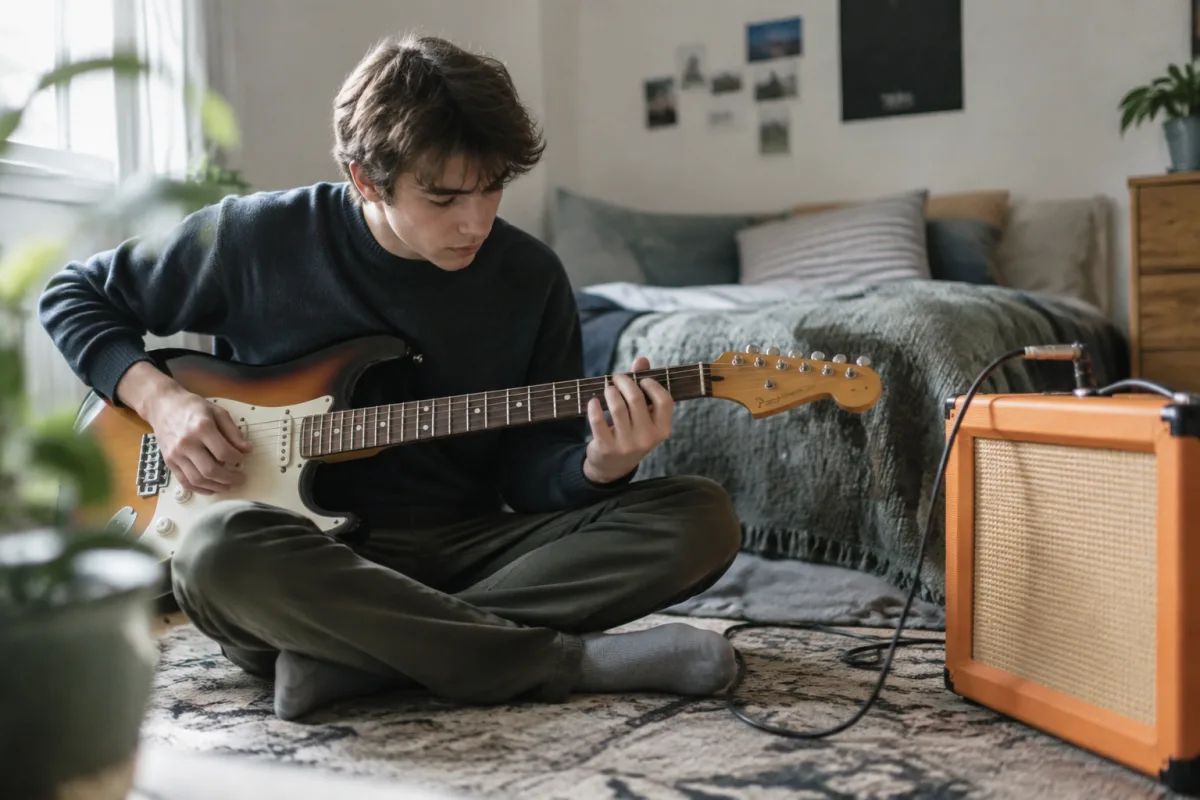
Picking out your first guitar amplifier can feel daunting, especially when you're eyeing something as distinctive as an Orange guitar amp. The good news? Orange amps have a reputation for being remarkably beginner-friendly, despite their serious sound and professional heritage. This guide strips away the mystery and shows you exactly what to expect when you bring home your first Orange amp.
Why Beginners Actually Choose Orange Amps
Orange amps sit at an interesting crossroads: they're affordable enough for beginners to justify the investment without being cheap. You won't find the buzzing hum or harsh midrange that plagues budget amplifiers. Instead, you get genuine tone character that responds to how you play, which means your own technique improvements immediately become audible to your ears.
Many nervous beginners worry they're "not good enough" for a "real" amp like Orange. Skip that worry. Orange specifically designs their smaller models for bedroom and small-venue players. They're genuinely made for people learning the instrument.
Choosing Your First Orange Amp: Size Is Everything
Orange makes amps ranging from 20 watts to 150 watts, but beginners almost never need more than 20 watts. In fact, most home players do better with even smaller. A 20-watt Orange amp at bedroom volume will sound rich and responsive—it won't punish you for being a beginner.
Wattage confuses many learners who assume more watts means better sound. It's the opposite for beginners. A 20-watt Orange cranked to room-filling volume sounds better than a 50-watt amp at whisper volume. Start small and stay there unless you're genuinely playing venues.
Understanding Orange Amp Controls You'll Actually Use
- Gain: This controls how hard you drive the amp. On Orange amps, even modest gain settings deliver satisfying crunch. You don't need to max it out.
- Master Volume: This sets your overall output level. Keep it low for bedroom practice—Orange amps sound great at low volumes, unlike cheaper alternatives.
- EQ Knobs: Bass, middle, and treble let you shape your sound. Start with everything in the middle and make tiny adjustments. Most beginners immediately turn everything to maximum, which creates a muddy mess.
- Effects Loop: Ignore this completely when starting. It's for adding effects units later, which you don't need yet.
The Reality of Orange Amp Noise at Low Volumes
Here's something beginners need to know: tube amplifiers, including Orange models, sound substantially different at low volumes compared to high volumes. At bedroom volume, an Orange amp might sound slightly compressed or lacking in natural dynamics. This doesn't mean you made a mistake—it's simply how tube amps work. As you play more and occasionally turn it up a bit, you'll appreciate what the amp can truly do.
Some beginners get frustrated expecting concert-hall tone at whisper-quiet volumes. Reset your expectations, and you'll love your Orange amp from day one.
What Beginners Must Have Alongside Their Orange Amp
Your amp alone isn't enough. You'll need a decent guitar cable (don't cheap out here), a footswitch if your amp has one, and ideally someone experienced to help with initial setup. Orange amps are straightforward, but a small amount of guidance prevents weeks of frustration from wrong settings.
Many beginners spend money on pedals and effects before they've even mastered their amp. Focus entirely on learning what your Orange amp can do before adding complexity. The amp itself has more tone-shaping potential than you'll probably use in your first year.
Common Beginner Mistakes With Orange Amps
Don't set everything to maximum immediately—Orange amps are responsive instruments that need a gentle touch when starting out. Don't assume your amp is broken if it doesn't sound like recordings; those use multiple amps, microphone techniques, and studio production magic you'll never replicate at home. Don't ignore the standby switch; if your amp has one, use it properly to extend the tube life.
Another frequent mistake: playing at volumes where you can't hear your own mistakes. At bedroom levels, your Orange amp might actually teach you more about tone than louder volumes will.
Getting Professional Help Early
Have your Orange amp checked by a qualified technician before or shortly after purchase. They'll verify everything is working correctly and might make small adjustments that dramatically improve your experience. This investment (typically £20–40) prevents months of thinking your amp sounds bad when it actually just needs minor tuning.
For a deeper exploration of Orange amps, including detailed model comparisons, wattage guidance, and technical specifications, our comprehensive guide to orange guitar amps provides extensive detail.
Your First Week With Your Orange Amp
When your amp arrives, resist the urge to max out all the controls. Instead, spend a few days with everything at midpoint—literally everything. Get familiar with how gain and master volume interact. Notice how tiny EQ changes dramatically alter your tone. Gradually explore as you become comfortable.
Orange amps reward patience and gentleness. They're not designed to punish new players, and you're not fighting against the equipment if you approach it with respect.
Growing Into Your Orange Amplifier
One of the surprising pleasures of owning an Orange amp as a beginner is that you'll still be discovering new sounds from it years later. Unlike cheap amps that hit their ceiling quickly, your Orange grows with your playing. That initial modest investment becomes better and better as your skills develop.


Comments