


Orange Guitar Amp Buying guide
Orange Guitar Amp: A Complete Buyer's Guide
Orange guitar amps are renowned for quality and tone, but choosing the right model requires understanding wattage, cabinet size and your actual needs. Our guide covers specs, models and common pitfalls.
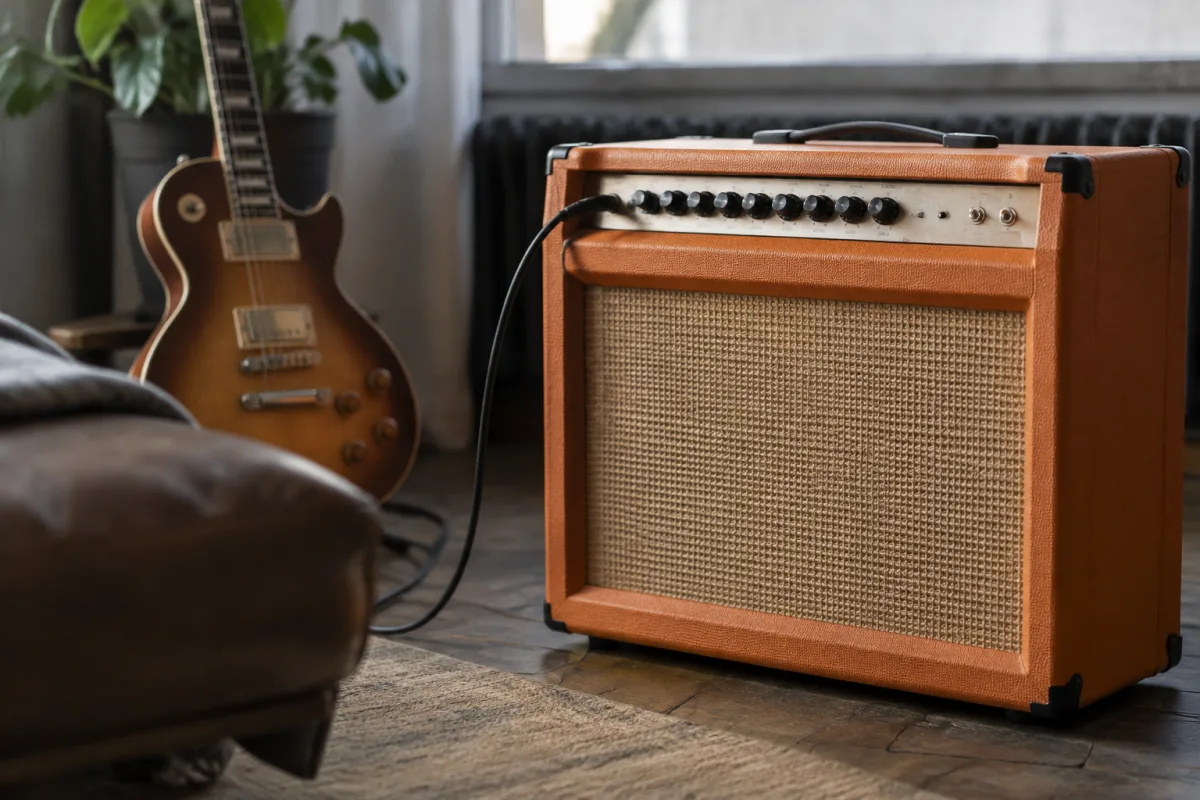
Orange Amplifiers have built a reputation for distinctive tone and robust build quality since the 1970s, making them a favourite among professional musicians and tone-obsessed enthusiasts alike. But choosing the right Orange guitar amp isn't simply about picking the most powerful model or the one with the most features—it's about understanding what matters for your specific needs, budget and playing style. This guide walks you through the key specs, performance considerations and common pitfalls so you can make an informed decision.
Understanding Orange's Core Philosophy
Orange amps stand apart from competitors through their commitment to organic valve amplification and hands-on craftsmanship. Unlike many modern amp manufacturers, Orange remains largely analogue, which means every unit is built by experienced technicians rather than assembled on an automated line. This approach guarantees consistency and quality, but it also means Orange amps command premium pricing. Their signature warm, woody tone—often described as having natural breakup and touch responsiveness—comes from careful valve selection and circuit design rather than digital emulation.
Before committing to an Orange amp, consider whether this philosophy aligns with your expectations. If you're drawn to the brand for its retro-styled aesthetics or chasing a specific tone you've heard on a favourite album, dig deeper into the specific model. If you value modern conveniences like built-in reverb, USB connectivity or compact sizing, you may find Orange's range limited compared to some competitors.
Wattage: Power and Headroom Matter
Orange's guitar amp line spans 15W up to 200W. Contrary to popular belief, wattage isn't simply a volume knob—it profoundly affects how the amp sounds and responds to your playing. Lower wattage amps (15–50W) reach natural valve saturation at moderate volumes, making them ideal for recording, rehearsal rooms or smaller venues. They tend to sound bigger and more expressive than their wattage suggests.
Mid-range models (50–100W) are the workhorse choice for gigging musicians who need to cut through a mix without excessive stage volume. High-wattage models (150–200W) suit touring acts, outdoor festivals or venues requiring considerable headroom before the amp breaks up.
A critical mistake many buyers make is conflating wattage with volume. A 50W Orange amp can easily outrun a 100W solid-state amplifier through sheer valve efficiency. Listen to demos before deciding, and consider the venues you typically play.
Cabinet and Speaker Configuration
Orange manufactures their own cabinets and speaker combinations, each contributing distinct character to the overall tone. A 1x12" combo is portable and suits practice or small gigs. A 2x12" cabinet delivers fuller tone with more projection. Larger 4x12" configurations are standard for touring and provide exceptional stage presence.
The speakers inside—whether Celestion, Greenback or Orange's own—significantly shape the tone. Vintage-style speakers impart warmth and natural compression; modern speakers offer tighter response and higher power handling. If you're buying a head rather than a combo, you can pair it with any cabinet (Orange makes superb ones, but alternatives exist), giving you tonal flexibility.
Don't overlook the impedance matching between amp head and cabinet—it's essential for safe operation and correct tonal output. Check the specifications carefully.
Key Model Categories and When to Choose Them
Orange's range divides into several categories, each suited to different players:
- Terror Series (15–50W): Compact, affordable and remarkably powerful for their size. Ideal for beginners, recording or small venues. The Dark Terror and Dual Terror offer multiple channels for tonal flexibility.
- Crush Series (20–100W): Transistor-based hybrids that combine valve preamp warmth with solid-state power amp reliability. Excellent for players needing portability and durability on the road.
- Rockerverb and Dual Dark Series (50–100W): Professional-grade combos and heads with reverb and footswitchable channels. The workhorse choice for gigging musicians.
- Thunderverb and Jim Root Series (100–200W): High-output touring heads with advanced features and exceptional stage authority.
Your choice should hinge on wattage requirement first, then features and size. Don't over-spec—a 15W Terror is often better than an underpowered 50W if you're playing small rooms.
Tone, Features and Onboard Controls
Orange amps are famously simple in their control layout. Most models feature just a volume knob, tone stack (bass, middle, treble) and power amp volume for controlling breakup independently of overall level. This simplicity isn't a weakness—it reflects Orange's philosophy of letting tube tone speak for itself.
However, newer models include features some players expect: reverb, tremolo, footswitchable channel selection and sometimes a USB interface for recording. If these features matter, check the specification sheet carefully, as not all models include them. The Rockerverb and newer heads offer more controls than entry-level Terror models.
Tone-shaping through Orange's preamp is responsive and expressive. The midrange character—warmer and more vocal than many competitors—polarises players. Some find it flattering and musical; others prefer brighter, more aggressive tones. Listen to as many demos as possible before committing.
New versus Vintage and the Cost Factor
New Orange amps are expensive—a 50W combo easily runs £1,800–£2,500, and heads push well beyond that. However, Orange's resale value remains strong, particularly for acclaimed models like the Rockerverb. A used Orange amp often holds 60–75% of its original price, making the true depreciation more manageable than high-street alternatives.
Vintage Orange amps from the 1970s and 1980s are highly prized, sought by collectors and professional players alike. They command premium prices but are increasingly difficult to find. If you encounter a vintage Orange, expect thorough professional maintenance to be essential—and factor those costs in.
Consider your budget realistically. A used 20W Terror at £600–£800 often outperforms a brand-new budget amplifier, and it preserves resale value far better. If you're starting out, a new Terror combo or used mid-range head may be the sweeter spot than stretching for a flagship model.
Common Pitfalls to Avoid
Buyers frequently rush into Orange ownership without understanding the commitment. Tube amps require regular servicing and valve replacement—budget £300–£600 every 2–3 years for a professional once-over. They run hotter and draw more power than solid-state alternatives and are heavier to transport.
Avoid choosing a model purely on looks or brand prestige. A 50W Orange Dark Terror might feel underwhelming if you play loud rock gigs; conversely, a 100W Rockerverb is overkill for bedroom practice. Match the spec to your actual needs.
Don't assume every Orange amp suits every genre. While they excel in rock, blues and metal, some players find them less suited to ultra-modern high-gain tones or crystal-clean jazz voicing—though this is partly a myth; Orange's range is more versatile than reputation suggests.
The Buying Checklist
Before purchase, confirm the following:
- Wattage suits your venues and headroom needs (not too powerful, not underpowered).
- Configuration (head, combo, 1x12, 2x12, 4x12) fits your space and transportation capability.
- Number of channels and whether footswitchable selection is necessary for your playing.
- Onboard features (reverb, tremolo, USB) you genuinely need—don't pay for features you won't use.
- Finish and colour align with your aesthetic (Orange's signature orange tolex is iconic, but they offer black and other options).
- Warranty status and service history if buying used.
- Long-term maintenance costs (valves, servicing) fit your budget.
Test the amp with your guitar and typical pedals before purchase if possible. Orange tone is seductive in isolation but must work with your instrument and effects chain.
Conclusion
Choosing an Orange guitar amp is a serious commitment—both financially and emotionally. These are instruments that reward long-term ownership with consistent tone, durability and strong resale value. The key to a happy purchase is matching the right model and wattage to your genuine needs rather than chasing prestige. Whether you're drawn to the Terror series for affordability and portability or the Rockerverb for professional gigging, Orange delivers authentic valve amplification built to last. Take time to research, listen to demos and consider your real budget for maintenance. A well-chosen Orange amp often becomes a lifetime piece of gear, not a disposable purchase.



Comments