


Modulation Pedal article
Everything You Need to Know About Ring Modulation Pedal
Modulation pedals add movement and character to your tone. This guide covers the most popular modulation effects and how to use ring modulation and other pedals creatively.
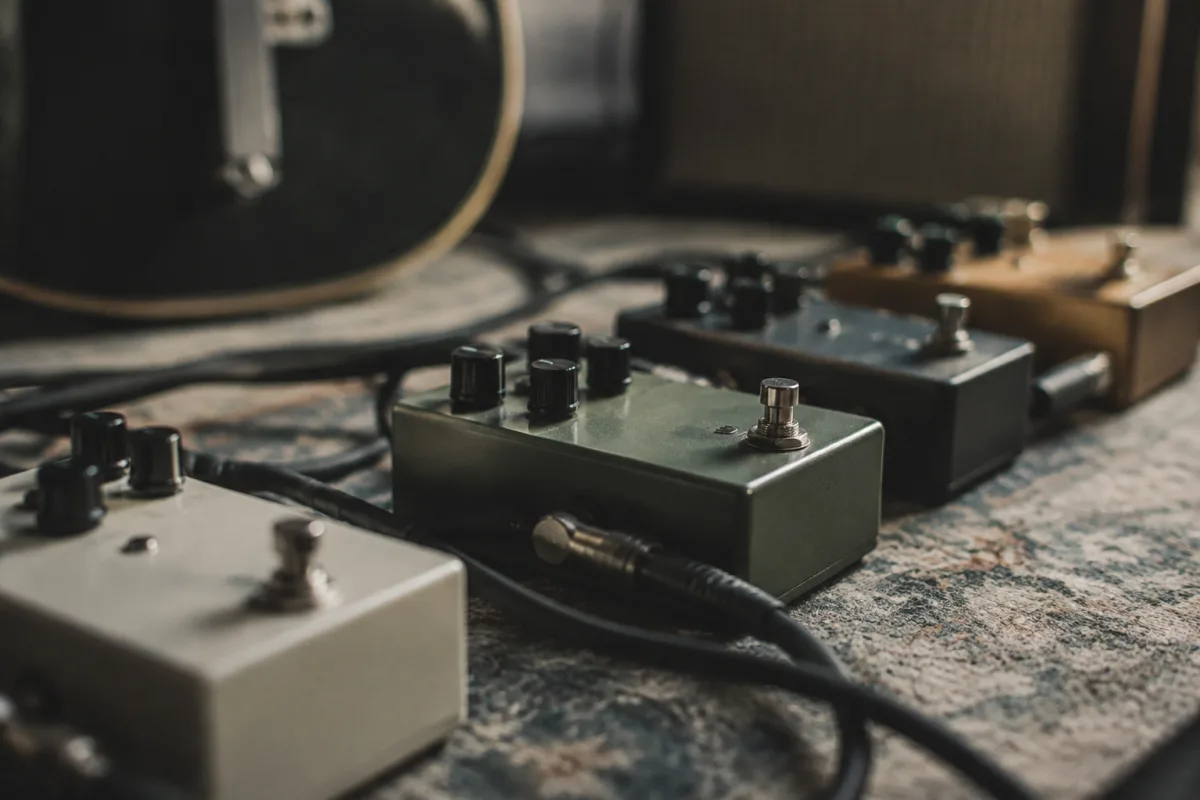
Modulation pedals stand among the most expressive and creative tools available to guitarists and bassists. Ring modulation pedals, in particular, occupy a unique space in the effects universe—capable of producing everything from subtle thickening to utterly alien, synthetic textures. Understanding how modulation pedals work and what they can do opens up possibilities for harmonic experimentation, texture creation, and tonal enhancement that fundamentally expands your musical vocabulary.
Understanding Modulation Pedals
Modulation refers to effects that alter your signal's amplitude, frequency or phase over time. A modulation pedal takes your original tone and applies a varying control signal that creates movement and richness. Unlike distortion or overdrive, which are permanent alterations, modulation pedals introduce dynamic, time-based changes that make your tone shimmer, breathe, and evolve.
The most common modulation pedals include chorus, flanger, phaser, tremolo and vibrato. Each uses a slightly different approach to modulate your signal. Ring modulation pedals represent a more experimental subcategory, using a specialised algorithm to create unique harmonic interactions between your signal and an internal oscillator.
Ring Modulation: The Creative Outlier
Ring modulation pedals work by multiplying your input signal with an internal oscillator, creating frequency combinations that sound distinctly different from traditional modulation. Rather than simply varying volume or adding chorus-like thickness, a ring modulation pedal generates entirely new frequencies based on the sum and difference of the modulator and your original tone.
The result ranges from subtle metallic shimmer to robotic, Dalek-like textures depending on settings. Because ring modulation pedals generate frequencies not present in your original signal, they excel at creating synthetic, experimental sounds. Rock pioneers like Radiohead and Matthew Bellamy have used ring modulation pedals extensively to achieve their signature tones.
Traditional Modulation Effects
Before exploring the experimental realm, understanding conventional modulation pedals provides context for how ring modulation pedals fit into the broader effects landscape.
- Chorus: Duplicates your signal with slight pitch and timing variations, creating a lush, thickened effect. Perfect for adding width to clean guitar tones.
- Flanger: Creates a sweeping, jet-like sound by mixing your signal with a slightly delayed copy. Instantly recognisable and highly effective on both guitar and bass.
- Phaser: Uses all-pass filters to create a subtle swirling effect. More refined than flanger, phaser works well for adding movement without aggression.
- Tremolo: Varies volume in rhythmic patterns, creating a pumping or wobbling effect commonly heard in vintage guitar tones.
- Vibrato: Modulates pitch rather than volume, creating a subtle or dramatic wobble depending on depth and speed.
Ring Modulation Pedals: Sound Characteristics
Ring modulation pedals produce unpitched, inharmonic results fundamentally different from standard modulation. At low modulation rates, you hear metallic flanging and bell-like textures. As modulation speed increases, ring modulation pedals create increasingly alien, roboticised tones. Higher modulation depths intensify these otherworldly qualities.
Unlike chorus or flanger, which thicken and sweeten your tone, ring modulation pedals often sacrifice musicality for experimental character. They're not designed to make your guitar sound "better"—they're designed to make it sound different, strange, and creative.
Practical Applications for Modulation Pedals
Chorus pedals suit almost every musical context. Use them subtly for adding dimension to clean tones, or increase depth for lush, shimmering leads. Flanger pedals excel in rock and alternative settings, particularly during solos and rhythmic passages where their swooshing character adds energy.
Phaser pedals work beautifully in funk and fusion contexts, adding sophisticated movement without overwhelming your original tone. Tremolo suits blues, country and retro rock aesthetics. Vibrato shines in surf rock and jazz contexts.
Ring modulation pedals, conversely, serve specific creative purposes. Use them for ambient textures, experimental soundscapes, or heavily-processed lead sounds. Many players keep ring modulation pedals on their board for occasional use rather than everyday playing.
Choosing the Right Modulation Pedal
Your choice depends heavily on musical context and personal taste. Rock and pop players gravitate toward chorus for its universal appeal. Musicians seeking classic vintage tones prefer phaser and tremolo. Experimental players and synth enthusiasts embrace ring modulation pedals for their unique character.
Consider how often you'll actually use the effect. A ring modulation pedal offers tremendous creative potential but requires commitment to strange, experimental music. Traditional modulation effects integrate seamlessly into most playing styles.
Combining Modulation Effects
Modern pedalboards often stack multiple modulation pedals, layering effects for rich, complex tones. Combining chorus with reverb creates dreamy, atmospheric soundscapes. Stacking flanger and phaser produces intricate, flowing textures. Ring modulation pedals work best alone or with minimal additional processing, as layering them typically creates muddy results.
Conclusion
Modulation pedals, from traditional chorus and flanger to experimental ring modulation, transform your tone in time-based, dynamic ways. Whether you seek subtle enhancement or radical experimentation, understanding how each type of modulation pedal works helps you choose the right tools for your musical vision. Ring modulation pedals represent the creative frontier of modulation effects, offering unlimited potential for players willing to embrace unconventional sounds and explore uncharted tonal territory.






Comments