


Mesa Boogie Guitar Amp Buying guide
Mesa Boogie Guitar Amp: A Complete Buyer's Guide
Mesa Boogie is legendary for tube tone and reliability. Buying one is a significant investment — prices from £1500 to £4000+. This guide walks you through what you're investing in and how to choose right.
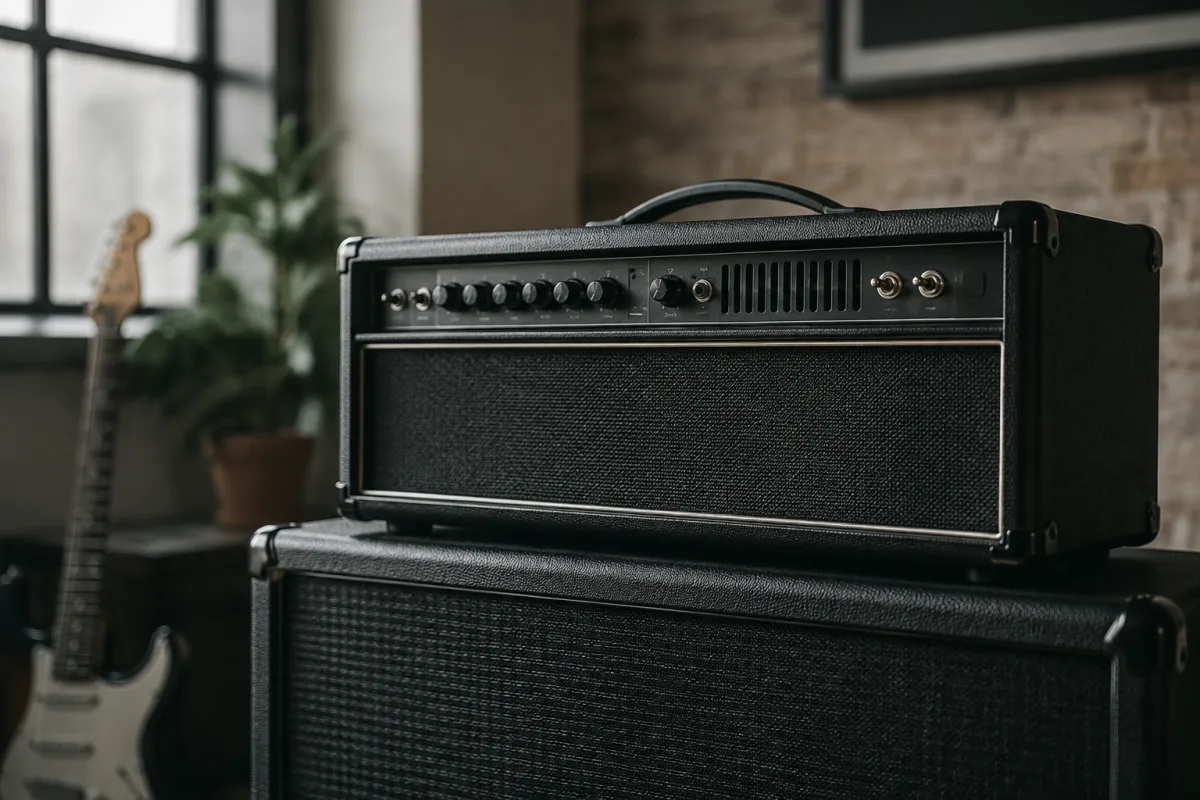
Mesa Boogie is an American amplifier manufacturer with an almost mythical reputation among guitarists. Their amplifiers power touring musicians, recording studios, and serious amateurs because they deliver tone, reliability, and versatility that justify their premium price tag. Buying a Mesa Boogie amplifier is a significant investment — prices range from £1500 to £4000+ — so knowing what you're investing in, which models suit your needs, and how to avoid overpaying is essential. This guide walks you through Mesa Boogie's product lineup, what makes their amplifiers special, and how to choose the right model without breaking the bank.
Understanding Mesa Boogie's Reputation
Mesa Boogie was founded in 1969 and has built their reputation on hand-wired tube amplifiers designed for serious players. Their fundamental philosophy is that tube tone — the natural harmonic response of tube circuitry — is superior to solid-state or digital amp modeling, and they've spent decades perfecting their designs.
Mesa Boogie amplifiers are used by countless touring and recording artists because they deliver tone that cuts in a band mix, remain stable through heavy playing, and age gracefully. An amp from 1985 still plays beautifully today, which speaks to build quality.
The downside is price and complexity. Mesa Boogie amplifiers are expensive because they're hand-made, feature premium components, and demand skilled assembly. They're also feature-rich with multiple channels, switching options, and tone-shaping parameters that reward deep learning but intimidate newcomers.
Mesa Boogie Product Tiers
Mesa Boogie's lineup spans several product categories. Understanding the differences prevents overspending on unnecessary features.
The Boogie Mark series represents single-channel amplifiers designed for high-gain rock and metal. They're powerful, articulate, and relatively simple compared to multi-channel models. Prices start around £1500.
The Dual and Triple Rectifier heads are legendary multi-channel amplifiers offering multiple gain stages, switching options, and unmatched heavy tone. These are professional-grade rigs at £2000–3000+.
The Mark Five represents a modern single-channel iteration designed for versatility across genres. Around £2000–2500.
The Roadster and Nomad are ultra-flexible multi-channel combos with an enormous feature set. These represent the premium tier at £2500–4000.
Entry-level options like the Boogie Mini Rectifier (head around £1200) and smaller combos offer Mesa's philosophy at lower price points for beginners or secondary rigs.
Single-Channel versus Multi-Channel: Which Do You Need?
Single-channel amps (Boogie Mark series) produce one dominant tone — typically high-gain lead tone. You adjust gain and EQ but can't switch between fundamentally different voicings without manually tweaking.
Multi-channel amps (Dual/Triple Rectifier, Roadster, Nomad) include multiple channels (typically two to four) that can be foot-switched, each offering distinct gain structure and tonal character. Channel 1 might be crystal-clean rhythm; channel 2 might be thick overdrive; channel 3 might be blistering lead distortion.
For buyers: if you need versatility across multiple styles or band requirements, multi-channel is essential. If you're a dedicated high-gain player comfortable with minimal tweaking, single-channel eliminates complexity at lower cost.
Wattage and Headroom
Mesa Boogie amplifiers typically come in 25-watt, 50-watt, or 100-watt versions. Wattage affects headroom — how much volume you can achieve before the amplifier starts compressing and distorting the tone.
Higher wattage doesn't equal louder. A 50-watt Mesa Boogie sounds significantly louder than a 50-watt budget amp because of circuit design and efficiency. A 25-watt Mesa can achieve surprising volume in small venues.
For buyers: 25 watts is ideal for bedroom practice and small clubs. 50 watts covers rehearsals and gigging venues. 100 watts is for larger venues and players who want maximum headroom before natural breakup occurs. Most buyers choose 50 watts as the versatile middle ground.
Tube Types and Component Quality
Mesa Boogie amplifiers use different tube configurations depending on model. The power amp tubes (usually EL84, 6L6, or 6V6 variants) define loudness and tone character. Preamp tubes (12AX7 or 7025) shape drive and gain.
Mesa sources premium tube grades and regularly updates internal components as new manufacturing emerges. This maintenance of parts quality is a core reason their amps remain desirable decades after purchase.
For buyers: you don't need to understand tube nomenclature. Know that Mesa carefully chooses tube types and that retubing (replacing worn tubes every 2–5 years depending on use) is a normal maintenance cost around £300–600 for a full retube.
Tone-Shaping Capabilities
Mesa Boogie amplifiers offer extensive EQ controls — typically five-band graphic EQ or parametric shaping. Multi-channel models add per-channel tone controls, boost circuits, and damping switches.
This flexibility is powerful but intimidating. New Mesa owners often spend weeks tweaking EQ before realizing that the amp sounds great at factory settings. The point: you don't need to master all controls immediately. Load a settings profile created by an experienced user, play, and gradually explore customization.
Mesa Boogie as a Gigging Amplifier
Mesa Boogie amplifiers are built for touring musicians. They're reliable, survive rough transport, and maintain tone consistency across many gigs. The internal cooling and tube protection systems prevent premature failure.
For gigging buyers: Mesa represents professional-grade reliability. Once you own a Mesa amp, you can reasonably expect to gig with it for 10+ years with routine maintenance (tube replacement, occasional component updates).
Footswitch and MIDI Control
Multi-channel Mesa amps use footswitches to toggle between channels during performance. These switches are solid, purpose-built, and survive heavy use. Some Mesa models also support MIDI control for advanced programming.
For beginners, don't overthink MIDI. A simple footswitch that toggles between channels covers 95% of real-world gigging needs.
New versus Used Mesa Boogie Amplifiers
Used Mesa Boogie amps hold value remarkably well because they're durable and coveted. A 15-year-old Mesa often sells for 60–70% of original price, because players value them as lifetime investments.
When buying used: check tube condition (worn tubes are cheap to replace but indicate heavy use), inspect for physical damage, and verify all switching and channels function correctly. Cosmetic wear doesn't matter; functional integrity does.
Used Mesa amps from reputable sellers are generally safe purchases. The amplifiers are difficult to fundamentally break, and any issues are usually just worn tubes or minor component replacement.
Common Buying Mistakes
Many buyers overspend on wattage assuming more is better. A 100-watt Mesa for bedroom practice is overkill and wastes money. Match wattage to realistic playing contexts.
Others buy multi-channel amps when single-channel would suffice, paying for complexity they never use. Be honest about whether you need channel switching or if one great tone covers your needs.
Many also underestimate the cost of speaker cabinets. A Mesa head (£1500–3000+) needs a matching cabinet (£800–1500+) to sound right. Budget for both when calculating total investment.
Some buyers also neglect to audition the amplifier before committing. Mesa amps vary significantly in tone and feel depending on exact model, tube condition, and cabinet pairing. Visiting a dealer and trying multiple amps prevents expensive buyer's remorse.
Cabinets and Speaker Combinations
Mesa sells matched speaker cabinets designed specifically for their heads. A Recto cabinet with Celestion Vintage 30 speakers sounds different from a Mesa EVM cabinet with modern industrial speakers.
For buyers: the head-and-cabinet pairing matters. Your tone is shaped equally by amplifier and speakers. Don't ignore cabinet choice thinking "any cabinet works." Mesa-matched combinations are engineered for tonal synergy.
Maintenance and Long-Term Costs
Mesa amps require regular maintenance: tube replacement every 2–5 years (£300–600), occasional component replacement, and periodic bias adjustment (having a technician check tube bias, around £100–150).
These are real costs, but they're investments in longevity. A maintained Mesa amp outlasts multiple cheaper amplifiers purchased and replaced over the same period.
When buying a Mesa Boogie amplifier, commit to understanding your specific model's tone-shaping capabilities through the manual, listen to recordings of that exact amp, and budget for speaker cabinet and maintenance costs. The investment is significant, but so is the return — a Mesa Boogie amp that sounds exceptional and lasts your entire playing career. For deeper insight into Mesa Boogie's full model range and how specific amplifiers compare, explore our complete guide to Mesa Boogie guitar amplifiers.



Comments