


Mesa Boogie Guitar Amp article
Everything You Need to Know About Mesa Boogie Combo Guitar Amp
Mesa Boogie has been building world-class guitar amplifiers for fifty years. From vintage warmth to modern power, their amps remain benchmarks for quality and unmistakable tone.
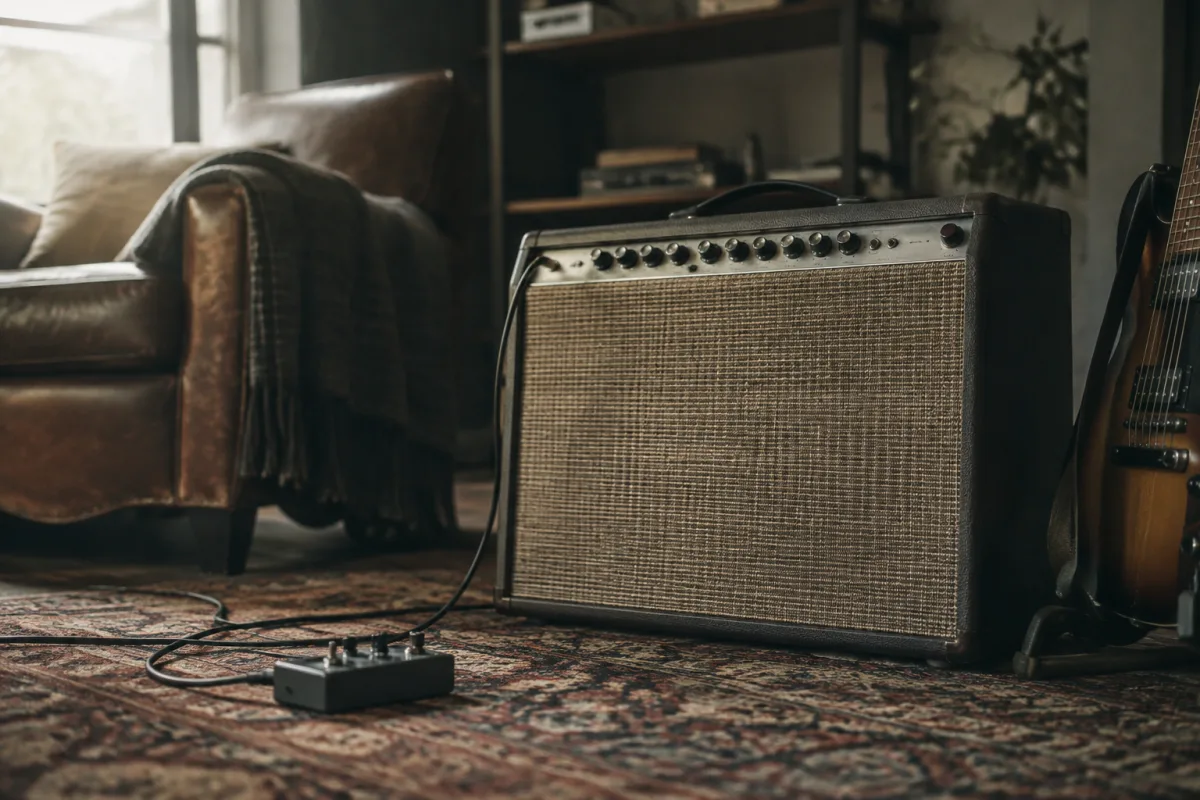
Mesa Boogie Guitar Amplifiers: Craftsmanship and Power
Mesa Boogie has been building some of the world's most sought-after guitar amplifiers for nearly fifty years. From the halls of Abbey Road to festival stages across the globe, these instruments remain benchmarks for quality, versatility and unmistakable tone. Whether you're after the bluesy warmth of a vintage model or the aggressive modern power of their latest designs, understanding what makes Mesa Boogie amps special will help you find the right amplifier for your playing style.
The History and Heritage of Mesa Boogie
Founded in 1969 by Randall Smith in San Francisco, Mesa Boogie revolutionised guitar amplifier design from day one. Smith's approach combined traditional tube amp engineering with innovative circuitry, creating instruments that sat between vintage warmth and contemporary clarity. The brand's name itself reflects that philosophy—the "Boogie" part refers to the blues, whilst Mesa (Spanish for "table") nods to Smith's home city and its musical heritage.
Mesa Boogie amps quickly became synonymous with professional musicianship. Legends like Santana, Stevie Salas and Carlos Mendes built their signature tones around Mesa gear. This legacy of excellence persists today, with both working session players and touring headliners selecting Mesa Boogie guitar amps as their preferred choice when tone and reliability matter most.
Iconic Mesa Boogie Models
The company's catalogue is diverse, but several models have become industry standards. The Mark series represents the company's flagship line, with each iteration building upon decades of refinement. These amps excel at clean tones with beautiful breakup and are favoured by players who want responsive feel and expressive control over their sound.
The Dual Rectifier changed electric guitar amplification when it arrived. Built for metal and hard rock players, its dual rectifier tube circuit and cascading gain stages deliver the aggressive sustain and harmonic richness the heavy music community demanded. Modern Dual Rectifier amps remain favourites for power and presence.
For those wanting vintage-inspired simplicity with modern reliability, Mesa Boogie's Lone Star and Stiletto lines offer exceptional value. These single-channel designs prioritise tone over complexity, delivering nuanced breakup and exceptional tube response without breaking the bank.
Technical Features That Define Mesa Boogie Quality
What separates a Mesa Boogie guitar amp from lesser alternatives? Several technical and design choices stand out. These features are what make a Mesa Boogie guitar amp worth the investment:
- Premium transformers — Mesa Boogie hand-winds or sources the finest output and power transformers, which have an enormous impact on overall tone.
- Valve selection — Every Mesa Boogie guitar amp uses carefully chosen vacuum tubes; the company often specifies premium NOS (new old stock) types to ensure consistency and longevity.
- Flexible switching — Most modern models offer channel switching, effects loops and multiple output impedances, allowing one amp to cover multiple sonic ground.
- Build quality — Mesa Boogie amps are constructed to last decades with proper care; the tolex (covering), hardware and internal wiring are all professional-grade.
- American manufacturing — The majority of Mesa Boogie production remains stateside, where quality control is legendarily strict.
Power Output and Headroom
Mesa Boogie offers models ranging from compact 25-watt combos perfect for bedroom recording to 100-watt heads that shake walls. The choice depends on your venue size and how hard you want to push the amp before it breaks up. Many players discover that a modest 35-watt amplifier cranked to its sweet spot outperforms much larger, lesser-designed models that never quite come alive until dangerous volumes.
Wattage doesn't equal tone, though. A 35-watt Lone Star running through a quality speaker cabinet can deliver as much musical impact as a 100-watt amp on stage, because Mesa Boogie designs for musicality across the entire power range, not just brute force.
Tone Characteristics Across the Range
Mesa Boogie guitar amps are celebrated for several consistent sonic traits. They tend toward warm, full-bodied tones with articulate treble and punchy bass response. The midrange is usually where the magic happens—Mesa amps excel at capturing vocal-like presence that sits beautifully in a mix. This is why so many recording engineers trust Mesa Boogie gear in the studio.
Different models cater to different aesthetics. The Mark series delivers chiming cleans and smooth overdrive. The Rectifier line specialises in saturated, harmonically rich distortion. The Lone Star splits the difference with blues-rock credibility across an impressive range of gain settings.
Investment and Durability
These amplifiers represent a genuine investment, with new models typically costing between £1,500 and £3,000. That price reflects decades of research, hand-assembly, premium components and the knowledge that your gear will remain serviceable and valuable for twenty years or more. Used models command strong prices on the secondhand market, holding their value far better than budget alternatives.
Moreover, the company maintains an exceptional reputation for customer service. Should something need repair, the engineers can typically source parts and restore a unit to like-new condition. This long-term support further justifies the initial investment for players serious about their craft.
Pairing Your Amplifier with Speakers
The amp is only half the equation. Your choice of speaker cabinet profoundly shapes the final tone. Mesa Boogie manufactures matching cabinets designed to complement their models, but many players pair their amplifiers with vintage or boutique speaker cabs to customise their sound further. A quality 2x12 cabinet can be plenty for gigging, whilst a 4x12 delivers maximum projection and bass response on larger stages.
Is a Mesa Boogie Right for You?
These instruments suit players who prioritise tone quality, long-term reliability and the ability to grow into an instrument over many years of playing. If you gig regularly, record seriously or simply demand the best your budget allows, Mesa Boogie remains an excellent choice. The secondhand market also offers significant savings if you're willing to explore earlier models that still sound magnificent.
For bedroom players or those just starting out, the investment may feel steep. However, used entry-level models often cost only slightly more than new mass-produced alternatives, and the upgrade in tone and durability is substantial.





Comments