


Marshall Amp Pedal article
Marshall Amp Pedal for Beginners: A Complete Guide
Starting with a Marshall amp pedal doesn't have to be intimidating. This beginner's guide explains what the pedal does, how to use it, and helps you discover satisfying tones right from day one.
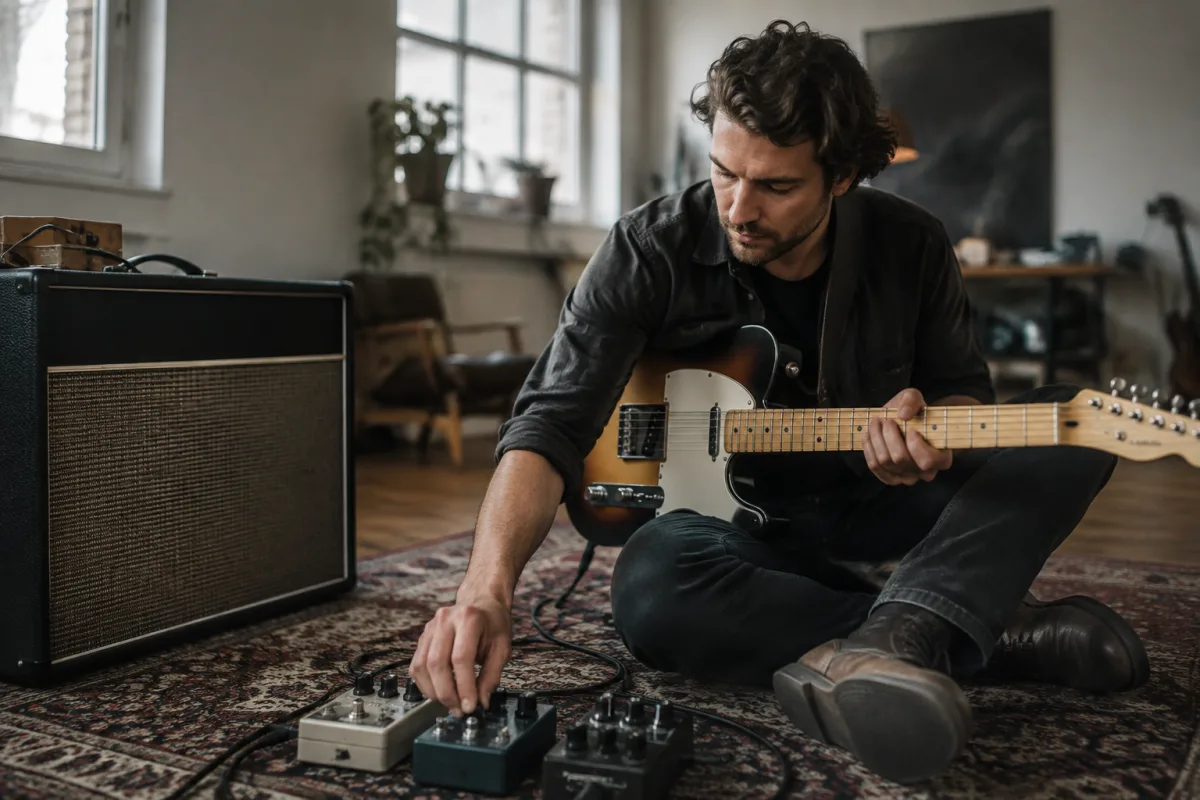
Discovering a Marshall amp pedal can be a game-changer for guitarists just beginning their journey with effects and tone shaping. If you're new to effects pedals and feel uncertain about where to start, don't worry—Marshall amp pedals are specifically designed with beginner-friendly features that make exploring guitar tones accessible and fun. This guide walks you through your first steps with a Marshall amp pedal, explaining what it does, why you might want one, and how to use it confidently right from day one.
Understanding What a Marshall Amp Pedal Does
A Marshall amp pedal is a desktop-sized effects unit that replicates the legendary tone of Marshall amplifiers without needing to own a full amplifier stack. Think of it as bringing a piece of Marshall's famous rock tone into a pedal format. These pedals capture the overdriven, crunchy, and saturated sounds Marshall amplifiers are famous for, allowing you to colour and shape your guitar signal. For beginners, this is perfect because you can explore amp-like tones through your existing setup—whether that's headphones, a small practice amp, or a home recording interface—without massive investment or space commitment.
Why Beginners Love Marshall Amp Pedals
Several features make Marshall amp pedals ideal for guitarists taking their first steps into effects. First, they're straightforward to use; most models have simple, large knobs for controlling tone without confusing menu systems. Second, they sound impressive immediately—even with default settings, Marshall amp pedals deliver satisfying tones that inspire you to keep playing and experimenting. Third, they're compact and portable, perfect for bedroom practice, rehearsals, or taking to friends' places. Finally, Marshall's reputation means you're experimenting with world-famous tones that legendary guitarists have used, which adds a cool factor that motivates beginner practice sessions.
Getting Your First Marshall Amp Pedal Sounds
Starting with a Marshall amp pedal is refreshingly simple. Connect your guitar to the pedal's input, connect the pedal's output to your amp or interface, and turn it on. Most Marshall amp pedals have an on/off footswitch (activated by stepping on it) so you can toggle the effect in and out. Adjust the main knobs—typically Gain (how much distortion), Volume (overall loudness), and Tone (brightness or darkness). Start with the Gain knob at the middle position and gradually increase it while playing chords and single notes to hear how the character changes. This hands-on experimentation is the fastest way to learn and build confidence.
Essential Controls Explained for Beginners
Marshall amp pedals typically feature four main controls, each serving a specific purpose. The Gain knob determines how much overdrive or distortion the pedal adds to your signal; higher settings deliver grittier, more aggressive tones perfect for rock and metal, whilst lower settings provide subtle warmth for blues or classic rock. The Volume knob ensures your Marshall amp pedal doesn't make you too loud when you engage it; set it so the overall level matches your clean guitar tone. The Tone knob controls whether your overdriven sound leans bright and shiny or dark and thick; experiment to find your preference. Many models include a presence control that adds sparkle to the top-end; beginners typically leave this around the middle until comfortable adjusting it.
Common First-Time Mistakes to Avoid
Beginner Marshall amp pedal users often make predictable mistakes that diminish their enjoyment. The biggest error is turning the Gain knob too high immediately; excessive distortion sounds harsh and kills the note definition that makes guitar playing satisfying. Start conservatively and increase gradually as you learn how the pedal responds. Never ignore the Volume knob; a Marshall amp pedal set to quiet volumes through an amp makes learning the effect confusing because the tones seem weak. Always set the output volume to match your clean tone so you can hear the actual effect the pedal is adding. Avoid twisting multiple knobs simultaneously; change one control at a time so you understand what each does.
Positioning Your Marshall Amp Pedal in Your Setup
Where you place your Marshall amp pedal in your signal chain affects your results. For beginners, the simplest setup is: guitar → Marshall amp pedal → amplifier (or audio interface). This straightforward configuration works beautifully and lets you focus on learning the pedal without worrying about signal flow. If you later add more effects, place time-based effects like delay or reverb after the Marshall amp pedal to achieve the most natural sound. Always ensure adequate cable quality; cheap cables introduce noise that muddies your tone, making it harder to hear what the Marshall amp pedal is actually adding.
Power Supply and Technical Basics
Most Marshall amp pedals operate on batteries or require an external power supply (which you may need to purchase separately). Batteries are convenient for initial exploration but become expensive if you use the pedal frequently. Purchasing an appropriate power supply (typically £10–£25) is a smart investment that pays for itself within weeks. Beginners should verify their pedal's power requirements before purchasing a supply. Always unplug the power supply when the Marshall amp pedal isn't in use to extend battery or power supply life. Simple maintenance like wiping the pedal with a soft cloth and keeping it away from excessive heat or moisture ensures years of reliable use.
Exploring Tone Possibilities Without Overwhelm
One joy of owning a Marshall amp pedal is discovering infinite tone variations as you gain confidence. Spend your first week simply playing through the pedal with different Gain settings, observing how your guitar sounds change. Week two, focus on the Tone knob—roll it dark for thick, bassy tones perfect for low tunings, or push it bright for cutting, aggressive tones. By week three, experiment with combining settings: moderate Gain with moderate Tone creates a sweet, singing overdrive; high Gain with dark Tone produces thick, crushing tones for heavier styles. This gradual, playful exploration builds understanding naturally without pressure.
Moving Forward with Your Marshall Amp Pedal
After using your Marshall amp pedal for several weeks, you'll naturally discover your favourite settings and how the pedal fits your playing style. Some guitarists love using it as always-on tone shaper for rhythm playing, toggling it off only for clean passages. Others use it as a lead boost, engaging the pedal only for solos. There's no "correct" way to use your Marshall amp pedal; your playing preferences will guide you. Once comfortable, exploring additional effects complementary to your Marshall amp pedal (like a delay or modulation effect) becomes fun rather than confusing.
For deeper exploration of Marshall amp pedals and their place in modern guitar tone, visit the complete guide to marshall amp pedal, which covers advanced techniques and comprehensive product information.


Comments