


Marshall Amp Pedal Buying guide
Marshall Amp Pedal: A Complete Buyer's Guide
Marshall amp pedals are portable but aren't right for every situation. This buying guide explains the different types, what to check, and honest alternatives.
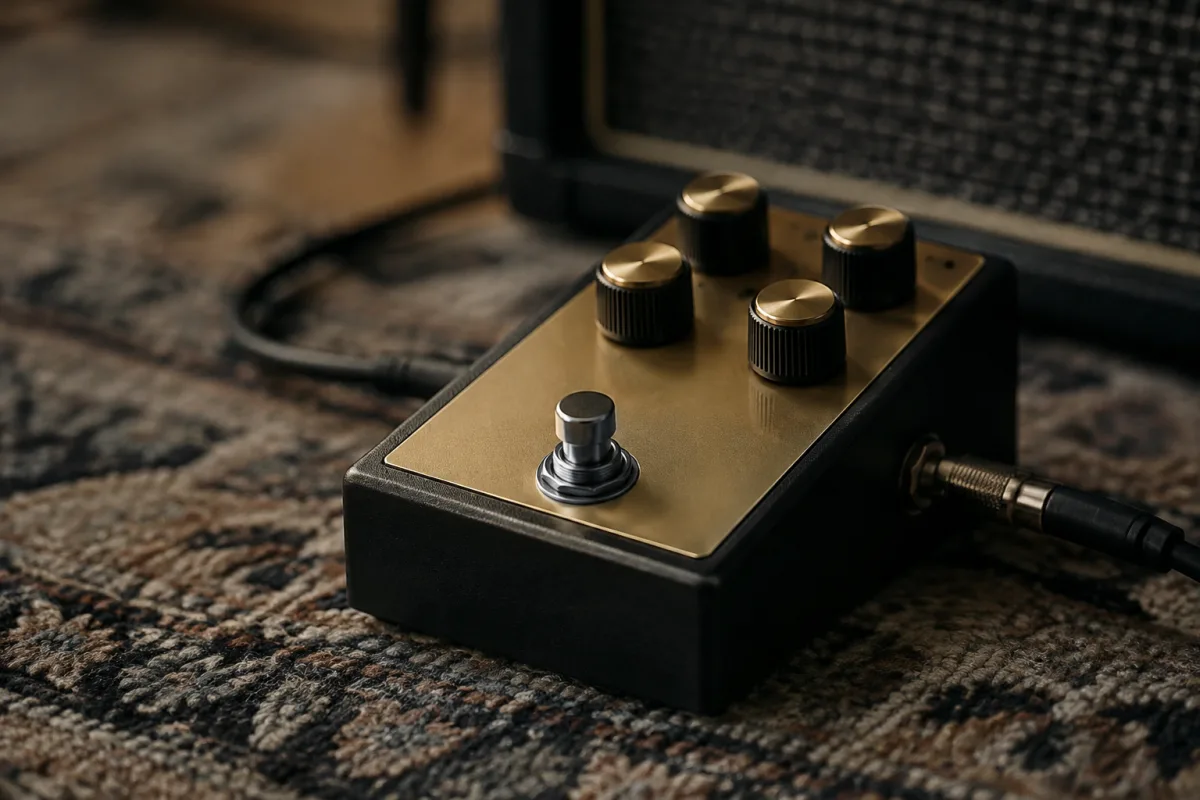
Buying a Marshall Amp Pedal: What to Know Before You Buy
Marshall amp pedals offer something genuinely useful: Marshall's iconic crunch and roar in a pedal-sized footprint. If you're considering one, you need to understand what you're actually getting — whether it solves your real problems, how it integrates with your current setup, and whether it genuinely delivers the Marshall tone you're imagining. This buying guide walks you through the practical considerations that matter.
What Is a Marshall Amp Pedal?
A Marshall amp pedal is a compact amplification solution that captures Marshall's signature tone in a pedalboard-friendly size. Unlike a full Marshall stack or combo amp, a pedal-format Marshall is portable, footswitch-controlled, and designed to sit alongside your other effects gear.
Marshall makes a few different pedal-sized amplification products. Some are distortion/overdrive pedals that emulate Marshall's amp breakup; others are genuine tiny amplifiers with speaker emulation and headphone output; still others are digital processors that model Marshall amps. Each type solves different problems. You need to know which type you're actually buying.
Types of Marshall Amp Pedals and What They Do
Distortion/Overdrive Pedal (e.g., Marshall Guv'nor): A single-effect pedal that emulates Marshall amp overdrive and distortion. Relatively affordable (£60–120). Useful as one pedal in a larger effects chain. Won't replace an actual amp.
Compact Amplifier (e.g., Marshall MG-2): A tiny amp with built-in speaker. Usually 2–10 watts. Genuinely portable, good for practice and sketching ideas, but not loud enough for gigging. Price: £80–200.
Amp Modeller/Processor (e.g., Marshall Code): Digital device that models Marshall amps and effects. Connects to a powered speaker or audio interface. Most expensive option (£200–400+) but most flexible for recording and live use.
Know which type you're considering. They solve completely different problems and have different strengths and limitations.
Critical Questions Before Buying
What's your actual use case? Are you practising at home, gigging live, recording, or all three? A 2-watt pedal amp is perfect for bedroom practice but won't cut through a band. An amp modeller works great for recording but requires external amplification to hear it live. Match the pedal to your actual needs, not your fantasy use.
What do you currently play through? If you already own a decent amp, a Marshall distortion pedal or modeller might enhance your tone. If you don't have an amp, a compact Marshall amp pedal could work — but it's a compromise compared to an actual amp at the same price.
Do you value portability or tone quality more? Compact Marshall pedal amps are portable but lack the dynamic response and speaker quality of a real amp. If tone is your priority, spend £300–500 on a proper Marshall combo instead. If portability is paramount, the pedal makes sense.
What's your existing pedalboard setup? If you already have an amp and a pedalboard full of effects, a Marshall distortion pedal adds one colour option. If you're building from scratch, a complete amp modeller makes more sense than adding a single pedal.
Have you tested the specific model you're considering? Marshall makes several pedal-format amps with different sounds and features. Test one in person if possible — the tone character varies significantly between models.
Specs That Actually Matter
For compact Marshall amp pedals, pay attention to:
- Wattage: For practice only, 2–5 watts is adequate. For small venues or rehearsals, 10–20 watts minimum. Above 20 watts, you're getting closer to full amps rather than pedals.
- Speaker size and type: Larger speakers (3–5 inches) sound better than tiny speakers. Check if there's a built-in speaker or if you need external amplification. Headphone output is useful for silent practice.
- Amp models included: How many different Marshall amp voices does it offer? Just one classic tone, or multiple options for variety?
- Effects included: Does it have built-in reverb, delay, or other modulation? Or is it purely amp tone?
- Connectivity: Can you connect an external speaker? Is there XLR output for recording? USB for computer connection? These matter if you're recording or gigging.
Common Pitfalls and Things to Avoid
Expecting a 5-watt pedal to gig. Compact Marshall pedal amps are too quiet for live venues. They're practice and sketching tools, not gigging equipment. If you gig, you need a real amp or a more powerful solution.
Assuming the Marshall pedal tone will sound identical to a Marshall stack. It won't. Digital models and tiny speakers can't reproduce the dynamic responsiveness of a real Marshall tube amp. Set realistic tone expectations.
Buying without testing first. Marshall amp pedals are specialized gear. What sounds great on a YouTube demo might not inspire you through your own guitar and in your own space. Try one first if you can.
Overlooking power and input requirements. Some Marshall pedals run on batteries; others need wall power or USB. Confirm you can actually power whatever you're buying. Battery drain can be annoying on gigs.
Forgetting that you might not like digital/modelled amp tone. If you love the feel and response of real tubes, a digital Marshall processor might frustrate you. Conversely, if you value consistency and ease of use, digital is brilliant. Know your preference.
Price Tiers and Honest Alternatives
Before committing to a Marshall amp pedal, consider these alternatives at different budgets:
- Boss ME-50/ME-80 (£300–500 used): Complete amp modelling system with hundreds of amp models, not just Marshall. More versatile, though less focused on that specific Marshall character.
- Marshall DSL20 Combo (£500–700): Actual tube Marshall amp at 20 watts. Hybrid design (tubes + digital). Real amp response and tone, but less portable than pedal format.
- Positive Grid Spark (£200–250): Compact combo with amp modelling and wireless connectivity. Not Marshall-specific, but highly portable and very versatile.
- Marshall MG-2 Pedal Amp (£80–130): Budget option. Tiny, portable, adequate tone for practice. Best value if you purely want bedroom practice.
- Marshall Guv'nor Distortion Pedal (£60–100): Classic distortion pedal, not an amp. Sits in an effects chain and colours your existing amp. No replacement for an actual amplifier.
Each offers different compromises. Choose based on whether you need portability, tone quality, versatility, or budget.
Testing Before You Commit
If you're seriously considering a Marshall amp pedal, test it with:
- Your own guitar (tone character matters)
- Your own pedalboard and effects (if applicable)
- Connected to your speaker setup (headphones + external speaker if that's how you'll use it)
- At the volume you'll actually use it at
- For at least 15 minutes (first impressions can mislead)
Spending 30 minutes testing saves buying regret later.
The Bottom Line
Marshall amp pedals are genuinely useful for specific situations: bedroom practice, adding Marshall tone to an existing setup, or portable sketching. Before buying, know which type you're getting (distortion pedal vs. compact amp vs. modeller), confirm it solves your actual problem, and test one in person if possible. Set realistic tone expectations — digital models and tiny speakers can't fully capture a real Marshall's response. Finally, consider whether a traditional Marshall combo or alternative portable amp might serve you better. At this investment level, making the right choice matters, and the right choice depends entirely on your actual needs, not Marshall's legendary reputation.
For detailed technical specifications, tone comparisons, and how Marshall amp pedals fit into different signal chains and rigs, see the complete guide to Marshall amp pedals.


Comments