


Marshall Acoustic Amps article
Marshall Acoustic Amps for Beginners: A Complete Guide
Thinking about buying your first Marshall acoustic amplifier? If you've been playing acoustic guitar unplugged and want to step up to amplification, you might feel a bit uncertain about what to look for.
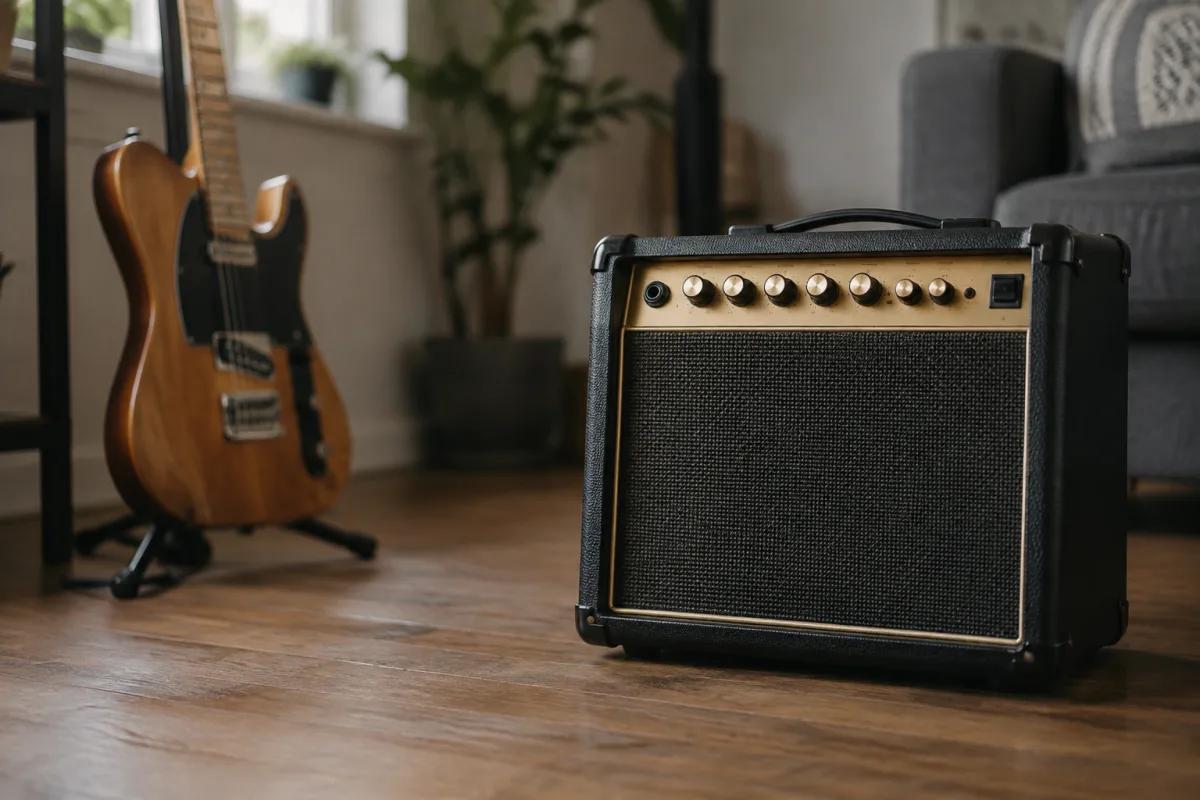
Thinking about buying your first Marshall acoustic amplifier? If you've been playing acoustic guitar unplugged and want to step up to amplification, you might feel a bit uncertain about what to look for. This guide demystifies Marshall acoustic amps and helps you make a confident choice for your first purchase.
Why Choose Marshall for Your First Acoustic Amp?
Marshall has been a legendary amplifier brand for decades, and their acoustic amplifiers carry that reputation for quality and reliability. For beginners, choosing a brand with a proven track record means you're investing in an amp that will last through years of playing, gigging, and learning.
Marshall acoustic amps are known for delivering warm, natural tone reproduction that doesn't muddy the natural character of your guitar. They're also built tough—important if you're planning to transport your amp to rehearsals or small gigs.
Understanding Wattage and Power
One of the first things that confuses beginners is wattage. The wattage of an amp (typically 15W, 25W, or 50W for Marshall acoustic models) determines how loud it can get, not its tone quality.
For your first Marshall acoustic amp, consider these practical guidelines:
- 15-25 watts: Perfect for bedroom practice, small rehearsal rooms, and intimate coffehouse gigs. Plenty of volume for most home environments.
- 50 watts: Better for larger venues, band rehearsals, and situations where you need to cut through drums and other instruments. Overkill for purely bedroom use.
Start with what matches your current needs. You can always upgrade later if you find yourself gigging in larger spaces.
Key Features to Look For
When shopping for your first Marshall acoustic amp, these features make a real difference:
- Built-in tuner: A tuner on the amp saves you from buying a separate device and keeps you on pitch during gigs.
- Reverb and chorus effects: These built-in effects add space and colour to your tone. They're subtle enough not to overwhelm your natural acoustic sound.
- XLR and 1/4-inch inputs: Multiple input options let you connect a microphone for vocals alongside your guitar—ideal if you're a singer-songwriter.
- Headphone output: Practice silently any time without disturbing others. A huge bonus for bedroom players.
- CD/auxiliary input: Play along with backing tracks or your favourite songs. Great for practice and learning.
- Phantom power: If you want to use a condenser microphone for vocals, phantom power through the amp simplifies setup.
Getting Your First Marshall Acoustic Amp Home
Here's a realistic first-time setup for a beginner:
- Choose your wattage: Be honest about where you'll play most often. If it's your bedroom, 15-25W is sensible. If you're regularly rehearsing with a full band, go for 50W.
- Inspect it carefully: Check that all knobs turn smoothly, effects buttons work, and inputs are free of damage. If buying used (which is fine), ask the seller about the amp's history.
- Position for good tone: Place your amp at ear level when seated. This helps you hear the true tone while playing. Avoid enclosed spaces that boom or muffle the sound.
- Break it in gently: Use lower volumes for the first few hours of playing. This helps the amp settle and gives you time to adjust the tone controls gradually.
- Set sensible levels: Start with the master volume low and the input gain moderate. Boost from there. Harsh clipping sounds awful; clean headroom sounds professional.
Common Beginner Mistakes with Marshall Acoustic Amps
Avoid these pitfalls and you'll get the best from your new amp:
- Cranking the volume immediately: Louder isn't always better. A Marshall acoustic amp at moderate volume often sounds fuller and more controlled than one maxed out.
- Over-using effects: Effects are fun, but they can mask your actual playing. Keep reverb subtle and use chorus sparingly. Your tone, not the effects, should shine.
- Neglecting EQ adjustments: Most Marshall acoustic amps have bass, middle, and treble controls. Spend time tweaking these to match your guitar and room. A little EQ adjustment transforms your tone.
- Forgetting about impedance matching: If you're connecting external speakers or microphones, check that impedance ratings match. Your manual will explain this—don't skip it.
- Leaving it switched on: Turn off your amp when you're done playing. This extends its life and saves electricity. A simple habit that pays dividends.
- Skipping regular maintenance: Dust the amp regularly and keep it in a dry place. If it gets wet or heavily damaged, a tech can often fix it—but prevention is easier than repair.
Building Your First Acoustic Rig Around Marshall
Your Marshall amp is just the start. Over time, you might add:
- A quality guitar cable (prevents signal loss and noise)
- An instrument stand (keeps your guitar safe during breaks)
- A microphone if you sing (transforms your amp into a small PA)
- A gig bag or hard case (protects your amp during transport)
- Extra speakers (some Marshall acoustic models support external speakers for more volume)
Budget Considerations for Your First Purchase
Marshall acoustic amps range in price, but you don't need to spend a fortune to get quality. A entry-level Marshall acoustic amp (15-25W) often costs less than a premium acoustic guitar. Think of it as an investment in being heard clearly, whether you're practising in your bedroom or playing a small venue.
Buying used is perfectly acceptable for acoustic amps. They're sturdy, simple machines without complex electronics. A used Marshall acoustic amp in good condition often sounds identical to a new one and saves you money.
Next Steps After Your First Gig
Once you've played your first small show or serious rehearsal with your Marshall acoustic amp, you'll have a much better sense of what you love about it and what you might want to change. Every player's needs are different, so use your first experiences to guide your future choices.
For more comprehensive information on acoustic amp technology, specifications, and how different Marshall models compare, check out the complete guide to Marshall acoustic amps. It covers everything from vintage models to current offerings and helps you understand the technical details behind the gear.
Your Journey with Marshall Acoustic Amps Starts Now
Choosing your first Marshall acoustic amplifier is exciting. You're about to discover how amplification brings new depth and presence to your playing. Don't overthink it—pick a model that suits your space and budget, learn its controls patiently, and enjoy the process. You've made a smart choice with a trusted brand. Play well.


Comments