


Marshall Acoustic Amps Buying guide
Marshall Acoustic Amps: A Complete Buyer's Guide
Choosing the right Marshall acoustic amp means understanding wattage, cabinet style, and features that genuinely matter for your playing—not just specs on a box.
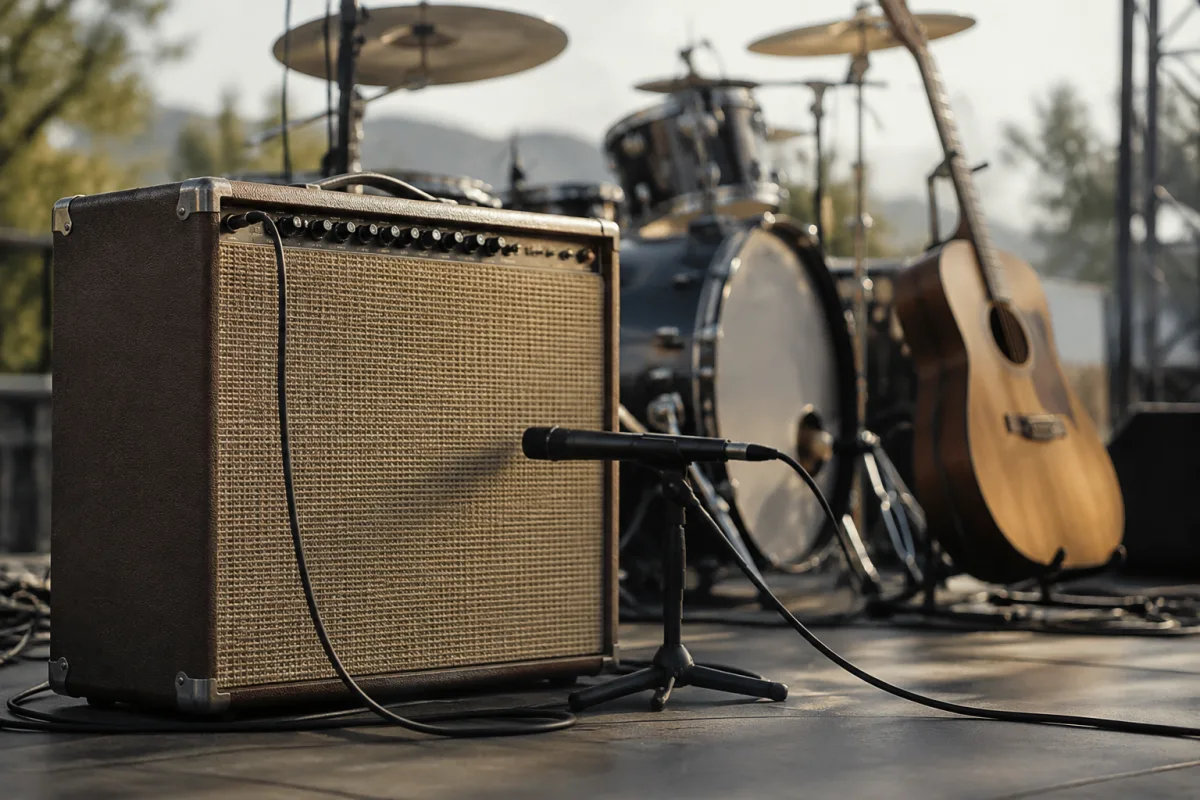
If you play acoustic guitar and need amplification, Marshall acoustic amps stand out as a practical choice—but only if you choose the right model for your needs and budget. Buying the wrong Marshall acoustic amps can leave you underpowered at rehearsals or lugging around gear you don't need. This guide cuts through the marketing and walks you through exactly what to look for, what pitfalls to avoid, and how to pick the Marshall acoustic amp that genuinely fits your playing.
What Makes Marshall Acoustic Amps Different
Marshall built their name on electric guitar and bass amplifiers, so their acoustic models carry that engineering heritage—solid construction, punchy midrange, and reliability. Unlike budget acoustic amps that are sometimes an afterthought, Marshall acoustic amps are designed for gigging musicians. That said, they're not "boutique" either; they're engineered for working players who value bang-for-buck over endless tweaking.
The key difference between a Marshall acoustic amp and an electric guitar amp is the speaker configuration and frequency response. An acoustic guitar needs clarity across a wider range (from sub-bass string resonance to high-end pick articulation), so Marshall acoustic amps emphasize a flatter, more linear frequency curve. You'll also notice their acoustic models tend to have more headroom—wattage-for-wattage—to handle the dynamic range of an acoustic without breaking up.
Deciding Your Wattage Before You Buy
The first question: how loud do you need to be? This is where a lot of buyers go wrong. They hear "50-watt Marshall acoustic amps" and think "that's reasonable," then arrive at a gig and can't keep up with a drummer.
- 25–40 watts: bedroom practice, small coffee shop open mics, intimate rehearsals where the rest of the band plays quietly.
- 50–75 watts: small venues (capacity 50–150), rehearsal studios with full drums, outdoor busking where you're competing with street noise.
- 100+ watts: medium clubs, festivals, large rehearsal rooms, or when you're playing alongside a full rock band or drummer.
A good rule of thumb: if you're ever in the same room as a drum kit, you need at least 50 watts in a Marshall acoustic amp. Fifteen watts sounds "loud" in your bedroom until a snare drum enters the picture, and suddenly you're completely buried.
Cabinet and Speaker Configuration
Marshall acoustic amps come in two main configurations: combo (amp and speaker in one box) and head + cabinet (amplifier unit plugged into a separate speaker cabinet). Here's what matters when you're choosing:
Combo Amps
A single unit with built-in speakers. Marshall's combos typically use a single 8" or 10" speaker, sometimes two smaller ones. Advantages: portable, one box to carry, no extra cables. Disadvantages: heavier than a head alone, and if the internal speaker dies, you're stuck with a repair bill instead of just swapping out a cabinet.
Head + Cabinet
The amplifier unit sits on top of a separate speaker box. Advantages: if the cabinet blows, you replace just the cabinet (cheaper); you can upgrade the cabinet later without buying a new amp; easier to transport (amp and cabinet are separate). Disadvantages: two items to lug, extra cables, and more setup time.
For most Marshall acoustic amps buyers, a combo is simpler and perfectly adequate. Only move to a head + cabinet setup if you're gigging frequently and want the flexibility to swap components.
Key Features to Check Before You Commit
Input Options
Look for at least one instrument input (1/4" jack) and ideally an XLR input for running a microphone or line-level source. Some Marshall acoustic amps also include an AUX jack for backing tracks or a metronome. If you're playing solo or with backing tracks, this matters. If you're in a full band, you only need the guitar input.
Output Flexibility
Better Marshall acoustic amps include an XLR output (to send your signal to a mixing desk at a larger venue) and sometimes a headphone output for silent practice. These aren't essential, but they're nice to have if you ever play anything bigger than a small club.
EQ and Effects
A three-band EQ (low, mid, high) is standard on most Marshall acoustic amps and gives you enough control to brighten or warm your tone. Some models add reverb or chorus—useful for filling out solo performances, but not critical if you're playing in a band. Effects on an acoustic amp should enhance, not transform; be wary of budget models with lo-fi reverb that sounds cheap.
Build Quality
This is where Marshall acoustic amps earn their reputation. Check for: solid wooden cabinet (not pressed board), corners reinforced with metal, and speakers that are securely mounted. Pick the amp up—does it feel robust or plasticky? Marshall's heritage means even their budget acoustic amps feel like they'll survive a tour van, which matters if you're gigging semi-regularly.
Price Tiers and What You're Actually Paying For
Marshall acoustic amps range from about £200 to £800 new. Here's what you're typically getting at each level:
| Price Range | Typical Wattage | What You're Paying For | Best For |
|---|---|---|---|
| £200–350 | 25–40W | Compact, lightweight, basic tone shaping | Solo players, bedroom/coffee shop practice |
| £350–550 | 50–75W | Gigging power, better EQ, more robust cabinet | Small venues, rehearsal studios, semi-pro players |
| £550+ | 100W+ | Festival-ready, full feature set, premium speakers | Professional gigging, large venues, teaching |
Don't assume "more expensive equals better for you." A £600 Marshall acoustic amp with 100 watts is overkill if you're only ever playing small coffee shops. A £300 50-watt combo does the job just as well and leaves you money for a decent mic stand or cables.
Common Buying Mistakes to Avoid
Mistake 1: Buying purely on wattage. Two 50-watt Marshall acoustic amps can sound completely different depending on speaker size and cabinet design. Don't just look at the spec sheet; listen to both side-by-side if possible.
Mistake 2: Skipping the audition. An acoustic amp at home sounds different from one in a rehearsal room with a drummer. If possible, borrow the model for an evening or visit a shop with a practice space. The pounds you save by avoiding a mistake is worth the effort.
Mistake 3: Confusing acoustic with electric. Marshall makes electric guitar amps that work terribly with acoustic guitars (too much breakup in the midrange, not enough headroom). Confirm you're buying a *Marshall acoustic* amp, not an electric model repurposed for acoustic.
Mistake 4: Ignoring resale value. Marshall acoustic amps hold their value reasonably well on the secondhand market. A £500 new Marshall in good condition often sells for £350–400 used. Budget brands may struggle to find a buyer at any price.
Mistake 5: Forgetting about footprint and weight. A 50-watt combo is lighter than a head + cabinet, but it's still about 15–20 kg. If you're gigging regularly, weight and portability matter. Don't buy a beast if you're lugging it up three flights of stairs.
Where to Buy and What to Expect
New Marshall acoustic amps are widely available from music shops, online retailers, and occasionally eBay. Prices are fairly consistent across retailers, so shopping around saves only £10–20. What matters more is the return policy—make sure you can bring it back or exchange it within 14 days if it doesn't suit your needs once you get it home. Used Marshall acoustic amps are also a solid option; they typically cost 30–40% less and you know the amp has survived real-world use. Check the reverb tank and speaker for damage (tapping the cabinet gently should produce a clean resonant tone, not a rattle), and ask for a demo before handing over cash.
The Final Word
A Marshall acoustic amp is a long-term investment in your playing setup. Spend time narrowing down your wattage, listen before you buy, and don't confuse features with value. If you want more in-depth technical comparison of specific Marshall models, the complete guide to Marshall acoustic amps breaks down each product in detail. But for making the buying decision itself, focus on where you play, how loud you need to be, and whether the build quality justifies the price—and you'll end up with a Marshall acoustic amp you'll use for years.


Comments