


Marshall 1987 article
Marshall 1987 for Beginners: A Complete Guide
Intimidated by your new Marshall 1987? Don't be. This beginner-friendly guide walks you through setup, tone dialling, and practical tips to build confidence quickly.
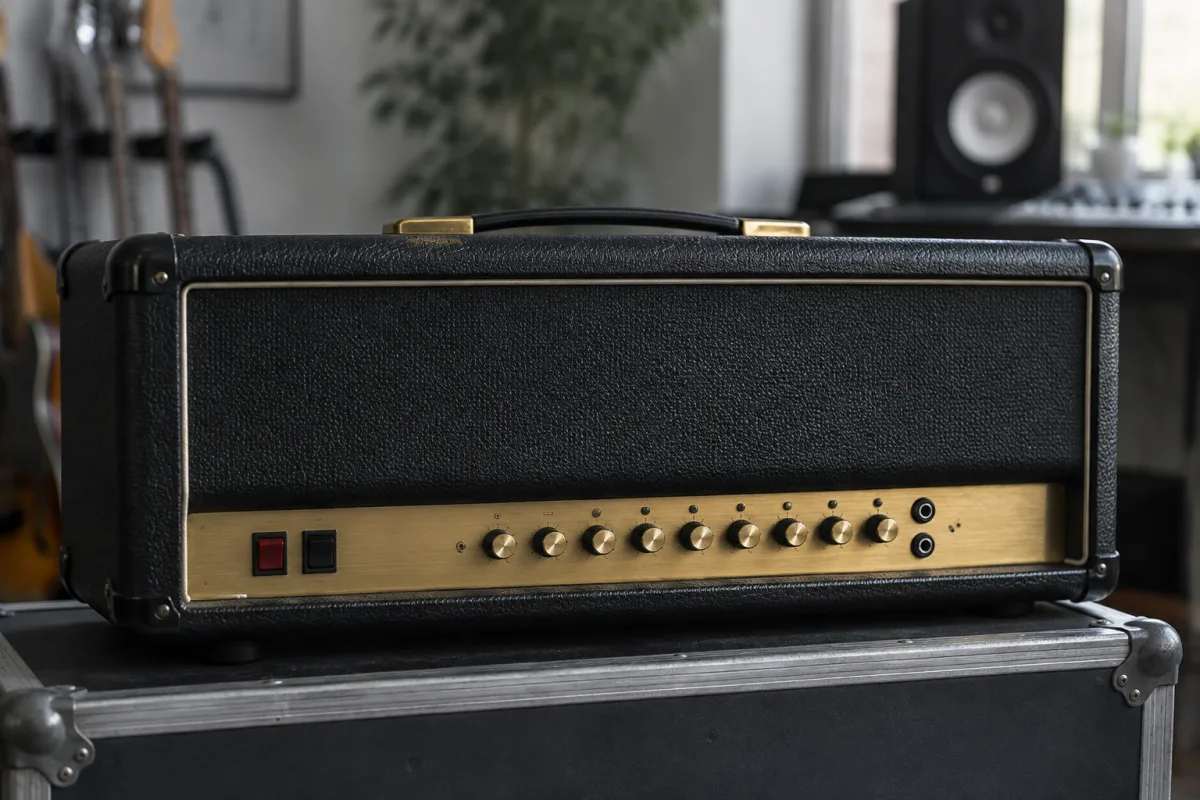
You've just acquired a Marshall 1987 amplifier head, and it's sitting in your rehearsal space looking magnificent and slightly intimidating. Don't worry—you're holding one of rock's most forgiving and responsive amplifiers, and getting excellent tones from it is simpler than you might think. This guide walks you through the fundamentals every beginner needs to know about using the Marshall 1987, helping you avoid the mistakes that make new players struggle unnecessarily.
Before You Plug In: Essential Setup Knowledge
The Marshall 1987 has more knobs than your average practice amp, which can feel overwhelming at first glance. The key to building confidence is understanding that most of these controls work together in intuitive ways. You don't need to master them all at once—start with the volume, tone, and gain controls, then explore the rest gradually. The amp responds beautifully to modest adjustments, so there's no "wrong" starting point. Unlike many amplifiers, the Marshall responds positively to beginners experimenting, which is genuinely one of its strengths.
Your Absolute First Steps
Start here, in this order:
- Connect your guitar to the amp's input with a decent quality cable. That cheap thin cable in your gig bag will work, but upgrade when you can.
- Connect the amp to a cabinet (or load box if you're recording silently). Never run a tube amp without a load.
- Set all controls to their midpoint initially. This is your neutral starting position.
- Turn on the power switch and allow 30 seconds for the tubes to warm up. You'll notice the transformer hum—that's normal and expected.
- Turn the master volume to the absolute minimum and the channel volume to about 2 o'clock.
- Strike a chord on your guitar. Adjust the master volume until you hear clean tone at a comfortable level.
- Now experiment: turn up the gain control gradually, listening to how the tone breaks up and becomes more distorted. Find the point where you like it.
This methodical approach teaches you how the amp responds to your playing, which builds confidence faster than diving into all the controls at once.
Understanding the Three-Channel System (And Why Beginners Often Overthink It)
The Marshall 1987 has three channels: Green (clean), Yellow (crunch), and Red (lead). Here's the truth that makes beginners' lives easier: you don't need to switch channels mid-song unless you want to. Most players starting out pick one channel that fits their style and stay with it while they learn. Green gives you clean headroom, Yellow is perfect for rhythm crunch, and Red delivers aggressive lead tones. Pick the one that excites you most and use that for your first month. Once you're comfortable, experimenting with channel switching becomes natural and easy.
Common Beginner Mistakes (And How to Avoid Them)
Learning from others' experiences saves you frustration:
- Cranking the master volume thinking it's the channel volume – This blows eardrums and annoys neighbours. Remember: master volume controls overall loudness, channel volume controls how hard the amp's preamp works. Start with master low, channel at 2 o'clock, and adjust from there.
- Setting gain to maximum immediately – More gain doesn't necessarily equal better tone. Try starting at 12 o'clock and increasing gradually. Most Marshall users find their sweet spot between 1 and 3 o'clock.
- Not letting the amp warm up – Tube amps need 30 seconds minimum to settle. Plugging in and immediately expecting great tone will disappoint you.
- Ignoring the presence control – This single control transforms how bright or dark the top end sounds. Start at noon, then adjust 15 minutes into your session once you understand the amp's baseline character.
- Treating the three-channel switching like you have to use all three constantly – Most beginning Marshall players do their best work sticking to one channel while they're learning. You'll naturally develop channel-switching confidence later.
- Not cleaning and maintaining the tubes – Dust on tubes affects tone. A simple occasional wipedown with a soft cloth keeps everything sounding fresher.
- Connecting to the wrong cabinet impedance – The Marshall 1987 uses an output selector for 4, 8, or 16 ohms. Match it to your cabinet or load box, or you'll get poor tone and potentially damage something. Check your cabinet's spec and switch accordingly.
Most of these mistakes teach valuable lessons painlessly once you know what to look for.
Dialling In Your First Great Tone
Here's a beginner-friendly approach to exploring the Marshall's character:
- Start on the Green channel with everything at 12 o'clock except master volume (keep that low for now).
- Adjust the gain control slightly higher to find the boundary between clean and breaking up. This is where personality begins.
- Use the presence control (usually 10-2 o'clock on a clock face) to balance brightness. Higher presence = more bite; lower = smoother tone.
- The bass, middle, and treble controls work like any standard tone stack—but here's the beginner insight: boost one at a time rather than cutting all three. This teaches you what each does.
- Once you've found something you like on the Green channel, try the Yellow channel with similar settings. You'll immediately feel how different it responds to the same knob positions.
- Only then explore the Red channel if you want heavier tones.
This exploration phase is genuinely the most fun part of amp ownership, and the Marshall responds beautifully to curiosity.
Practical Beginner Scenarios
Real-world situations where the Marshall 1987 excels for new players:
- Bedroom practising – Use a load box or attenuator to get the amp breaking up at reasonable volumes. The tone degrades gracefully as you reduce volume, not like digital amp modellers.
- Rehearsal space playing – Run it wide open through a cabinet at modest volume. The natural compression and harmonic richness of the tubes shine here.
- Learning to play clean tones properly – The Green channel teaches you how much technique matters. Sloppy playing sounds sloppy; clean technique sounds musical. This is invaluable feedback.
- Band rehearsals – Yellow channel crunch sits perfectly in a mix without dominating or disappearing. Begin here when learning to balance stage volume with band dynamics.
Maintenance Basics (Keep Your Investment Sounding New)
The Marshall 1987 is robust, but a few simple practices extend its life and keep tone consistent:
- Allow 10 minutes warmup before gigging or intensive rehearsal.
- Let the amp cool for 5-10 minutes before moving it after heavy use.
- Use the standby switch if you're taking a break longer than a few minutes—this extends tube life.
- Keep the amp's back panel (where tubes live) relatively dust-free.
- Change tubes only when they start to lose brightness noticeably or when the amp feels spongy.
- Use a proper 13-amp fused cable in the UK.
Tube amps don't need pampering, but basic respect keeps them working brilliantly for decades.
Troubleshooting: When Something Doesn't Sound Right
Most beginner concerns have straightforward causes:
- Sound is too dark or thin – Adjust presence first; it's the fastest fix. Then check tone controls aren't all cut.
- Amp sounds spongy or weak – This usually means tubes need changing or the amp needs 30 more seconds warmup. Rarely indicates a problem.
- Hum or buzz – Check your cable isn't coiled around the amp, ensure the output impedance matches your cabinet, and verify the power cable isn't damaged.
- One channel sounds drastically different – This is normal. Channels have different voicings on the Marshall. It's a feature, not a bug.
Moving Forward with Confidence
The Marshall 1987 is legendary because it responds intuitively to players of all levels, and that includes you. Beginners often produce wonderful tones within the first hour of use. Give yourself permission to experiment, trust your ears, and understand that there's no single "correct" tone—only the tone that excites you and works for your music. After a few rehearsals, the amp will feel as natural as your guitar.
For broader context about Marshall amplifiers and their role in music history, see the complete guide to Marshall 1987.
Key Takeaways for Your First Month
- Set master volume low and channel volume at 2 o'clock as your starting position.
- Pick one channel (Green, Yellow, or Red) and stick with it while learning.
- Allow 30 seconds warmup and 5-10 minutes cooldown after use.
- Presence control is your fastest tone-adjustment tool—experiment with it freely.
- Dust tubes occasionally and match output impedance to your cabinet.
- The Marshall responds to your playing technique, which is genuinely valuable feedback.
- Trust your ears and enjoy the exploration process.
You're going to love this amp. It's built for people who want to play guitar and sound great doing it, which is exactly what you're trying to do.



Comments