


Marshall 1987 Buying guide
Marshall 1987: A Complete Buyer's Guide
Essential guide for purchasing a Marshall 1987 amplifier, covering legendary status, key specifications, common mistakes, pricing, authenticity verification, and alternatives.
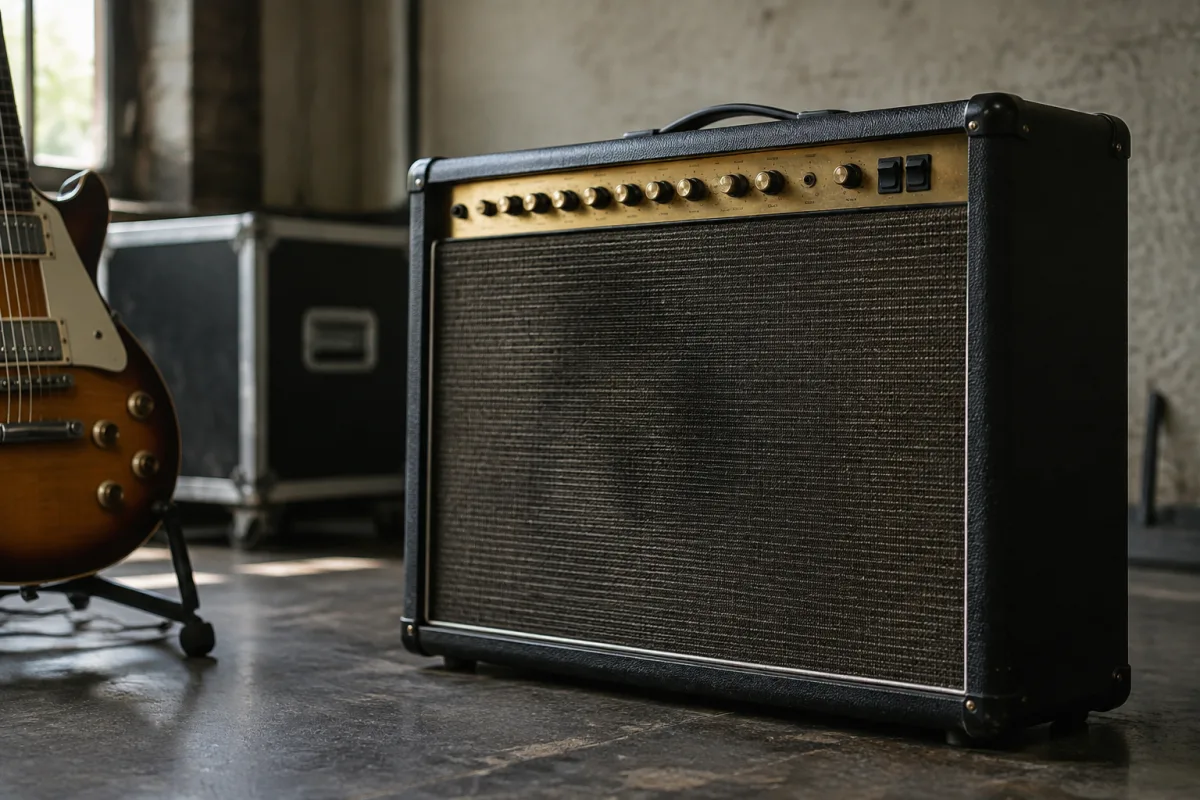
Few amplifiers carry the legendary status of the classic Marshall stacks used by rock's greatest guitarists. If you're considering purchasing a Marshall 1987 head or stack, understanding what distinguishes these amplifiers, evaluating their condition, recognising common pitfalls, and knowing appropriate pricing will help you make an informed investment. This buying guide covers everything serious guitarists need to know about acquiring this iconic amplifier.
Understanding the Marshall 1987 Amplifier's Legendary Status
The Marshall 1987 is a 50-watt tube amplifier representing the pinnacle of British rock amplifier design. Its legendary status stems from countless classic rock recordings and live performances where this amp delivered its signature powerful, articulate tone. The amplifier's circuit design creates natural breakup at moderate volumes, making high-quality distortion accessible without excessive volume.
The amplifier features two channels—normal and high-gain—each with independent volume, providing sonic flexibility. Players can achieve clean tones on the normal channel and driven tones on the high-gain channel, or run both channels into a mixer for complex hybrid tones. This versatility explains why this model remains sought after despite newer alternatives.
Build quality distinguishes the Marshall 1987 from lesser competitors. Hand-wired construction, quality transformers, and premium components contribute to its durability and tonal authority. These amplifiers routinely operate reliably after decades of touring and studio use—testament to exceptional engineering and craftsmanship.
Essential Specifications and Features to Evaluate
Check the tube complement. Authentic examples use EL84 power tubes and 12AX7 preamp tubes. Replacement tubes differ in sonic character—some players prefer NOS (new old stock) tubes from specific manufacturers, so verify the tube set meets your preferences. Tube condition affects playability dramatically.
Examine the transformer condition. These are the most expensive amplifier components to replace. Quality transformers display no signs of leaking transformer oil and show consistent resistance measurements. Have a qualified technician test transformers before purchasing if the amplifier's age raises questions.
Verify the speaker cabinet configuration. The Marshall 1987 was originally paired with 4x12 cabinets loaded with specific speaker types. Cabinet configuration profoundly affects tone—different speakers produce distinctly different characteristics. Ensure the cabinet matches your tonal expectations.
Check all hardware functionality. Do both channels sound good? Do the volume and tone controls function smoothly without crackling? Test the standby switch and power switch. These simple checks reveal overall condition and whether previous owners maintained the amplifier responsibly.
Common Purchasing Mistakes to Avoid
Many buyers romanticise the Marshall 1987 without realistically assessing their needs. This is genuinely loud amplifier—50 watts of tube power creates substantial volume unsuitable for most home settings. If you're playing primarily in bedrooms or apartments, this amplifier will frustrate you. Be honest about your actual needs.
Another mistake involves purchasing amplifiers without hearing them. The Marshall 1987's tone depends heavily on tube condition, speaker configuration, and amplifier age. Sounds can vary dramatically between individual examples. If possible, audition the specific amplifier before purchasing.
Overlooking service history creates problems. Ask previous owners whether the amplifier underwent recent professional servicing, capacitor replacement, or tube bias adjustment. Lack of maintenance history suggests potential internal issues requiring expensive professional repair.
Many buyers underestimate transportation costs and logistics. These amplifiers weigh 40+ pounds and are fragile. Professional shipping and proper insurance significantly increase total ownership cost. Budget these expenses before committing to purchase.
Purchasing amplifiers with incorrect mains voltage causes permanent damage. Marshall 1987 amplifiers were manufactured for both 100V (Japan), 110V (North America), and 220-240V (Europe/UK) standards. Installing the wrong voltage amplifier on your mains supply destroys it instantly. Verify voltage compatibility carefully.
Price Considerations and Value Assessment
Vintage Marshall 1987 heads typically cost £2,000-5,000 depending on age, condition, and service history. Complete stacks (head plus matching cabinets) command £4,000-8,000+. Reissue models cost less (£1,500-3,000) but lack the tonal character and build quality of original vintage examples.
Evaluate pricing based on condition, not just age. A well-maintained 30-year-old Marshall 1987 justifies premium pricing over a neglected newer example. Service records and professional restoration add significant value.
Consider the secondary market strength. Marshall 1987 amplifiers hold value remarkably well. If you purchase at fair market value and maintain the amplifier properly, resale value remains strong—far better than mass-produced modern amplifiers.
Verifying Authenticity and Condition
Counterfeits and misrepresented amplifiers exist in the vintage amplifier market. Verify serial numbers against Marshall databases. Compare the amplifier's construction and components against documented examples. When in doubt, consult qualified amplifier technicians who can authenticate the instrument.
Have any potentially problematic amplifier professionally inspected before purchase. Qualified technicians can identify internal issues, estimate repair costs, and advise whether the asking price justifies the amplifier's actual condition.
Considering Alternatives
Modern amplifiers now offer equivalent tone at lower cost and with greater reliability. If budget flexibility exists, consider whether vintage appeal justifies the premium. Some players prioritise tonal character enough to justify vintage investment; others find modern alternatives perfectly adequate.
Making Your Purchasing Decision
The Marshall 1987 represents an investment in tonal legacy and proven reliability. Its legendary status reflects genuine sonic merit and exceptional build quality. However, it's not suitable for every guitarist—volume requirements, budget constraints, and space limitations sometimes make alternatives more practical.
Only purchase if you genuinely need the amplifier's power, can afford the substantial investment, and have properly sized cabinets and speaker selection. Hear the specific amplifier before committing. Verify authenticity and condition through professional inspection. Evaluate total ownership cost including transportation, insurance, and potential servicing. For comprehensive information about the Marshall 1987's history, specifications, and comparison to alternatives, refer to our complete guide to the Marshall 1987 amplifier.


Comments