


Marshall 1987 Amp Buying guide
Marshall 1987 Amp: A Complete Buyer's Guide
Find the right Marshall 1987 amp for your budget and needs. This buying guide covers specifications, genuine vs. clone comparisons, condition assessment, and pricing tiers.
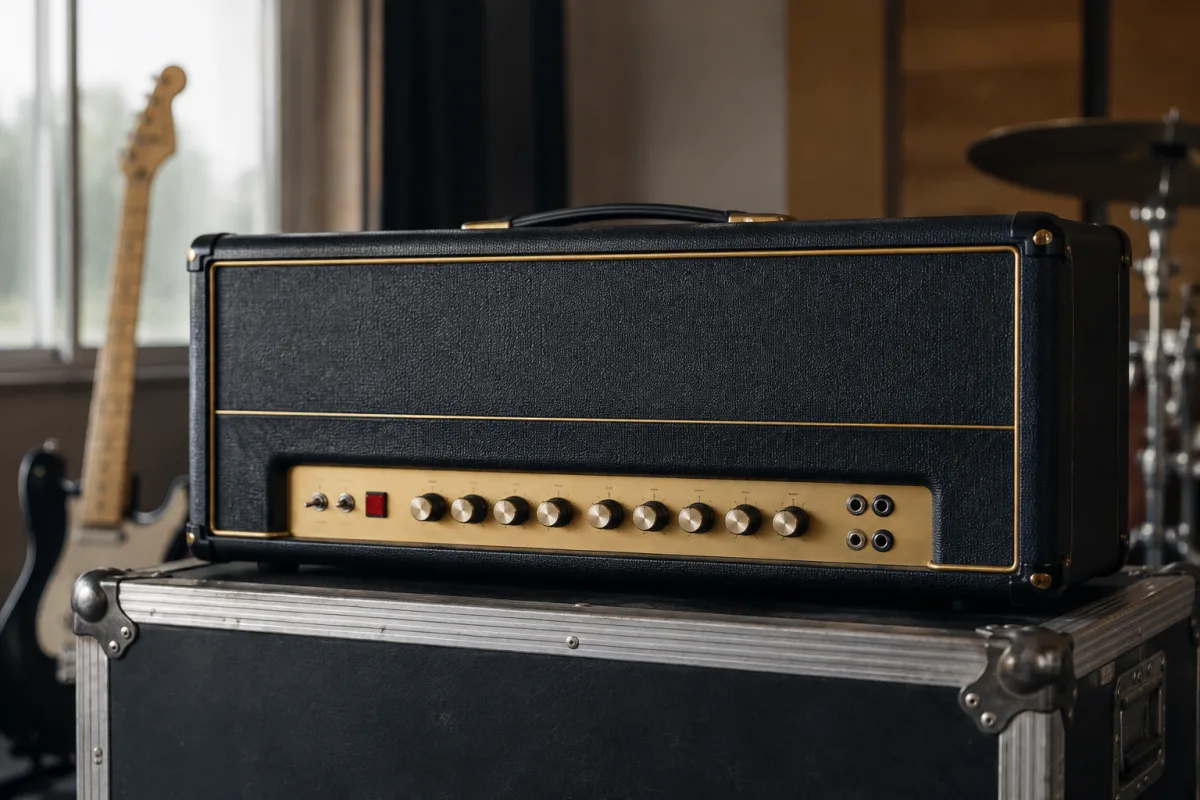
Finding the right Marshall 1987 amp requires understanding what specs actually matter for your playing style, recognising the key differences between genuine models and replicas, and knowing what price you should expect to pay for quality. Whether you're seeking the iconic tonal character of this legendary amplifier or comparing options at various price points, this guide walks you through the decision-making process systematically.
Understanding Marshall 1987 Amp Specifications
The Marshall 1987 is a 50-watt head designed for serious gigging musicians and studio work. Its specifications define its character and suitability for your needs. The amplifier features two channels — Clean and Overdrive — with independent controls for each, allowing tonal flexibility from crystal-clean jazz tones to saturated rock drive. Before purchasing, confirm the wattage; 50 watts provides serious stage volume and recording capability, though it demands respect in domestic settings.
Power amp tube configuration is crucial to tone character. The 1987 uses EL84 power amp tubes, which break up earlier than bigger power tubes like EL34s, contributing to its slightly compressed, harmonically rich response. This tube complement responds beautifully to volume and gain interactions, allowing experienced players to dial in genuinely nuanced tones. Understanding this means you'll buy an amp that serves your musical vision rather than settling for generic tone.
Key Specifications to Check When Buying
- Output wattage: Confirm 50 watts. Some variants exist; ensure you're getting the genuine 1987 spec.
- Tube complement: EL84 power tubes and 12AX7 preamp tubes. Ask whether tubes have been replaced recently or are original.
- Channel switching: Confirm both channels function smoothly. Dodgy channel switching kills the appeal of this design immediately.
- Effects loop: The Marshall 1987 features a proper effects loop. Test that it bypasses cleanly and returns correctly.
- Cabinet compatibility: The head requires a 4-ohm, 8-ohm, or 16-ohm cabinet. Confirm your speaker cabinet matches the output impedance.
- Presence and reverb controls: These shaping tools are central to the 1987's flexibility. Ensure they function smoothly.
Genuine vs. Clone and Replica Models
The Marshall 1987's legendary status has spawned numerous clones and replica designs. Genuine Marshall 1987 heads maintain consistent build quality and sonic character, whilst clones vary wildly in quality. An authentic Marshall carries the Marshall name clearly on the front panel and badges. The serial number should correspond to Marshall's production records if you're investigating authenticity on a used unit.
Reputable clone manufacturers build solid alternatives at significantly lower prices — typically £1,200–£2,000 for well-regarded clones versus £2,500–£4,000+ for genuine Marshall units. However, cheaper clones cut corners aggressively. If purchasing a clone, research specific manufacturers carefully and listen to recordings before committing. Quality variance in the clone market is substantial.
Condition Assessment for Used Purchases
Most Marshall 1987 amps available now are used units. Check that the chassis shows no signs of burning, unusual discolouration, or component damage. Power tubes will be visibly worn but should glow evenly without dead spots. Request a pre-purchase demo if buying remotely; hearing the amp function ensures no hidden issues.
Test all controls. The volume, gain, and tone controls should respond smoothly without crackling or dead spots. A scratchy potentiometer often requires professional servicing, adding £100–£200 to your actual purchase cost. The effects loop should bypass cleanly and return signal should match the main signal level. Mismatched return level indicates internal issues.
Cosmetic condition varies by age and previous owner. Slight wear is normal on vintage units; however, avoid amps with significant rust, water damage, or component replacement by unqualified technicians. These issues hint at rough treatment and future reliability problems.
Price Tiers and Value Assessment
Authentic Marshall 1987 heads typically command £2,500–£4,500 depending on condition and age. Original 1980s units cost more than 1990s reissues, though both deliver the classic tone. Heavily used units with worn cosmetics but solid electronics might reach £2,200–£2,800, whilst pristine examples with documentation command premium prices.
Quality clones from respected manufacturers like Ceriatone, Friedman, or JVM typically cost £1,500–£2,500. These represent solid value for players seeking the tonal character without the premium price. However, avoid cheap clones under £1,000; these often disappoint toneally and fail reliability-wise.
Monthly payment plans through music retailers eliminate the need to find large sums immediately. Many shops offer interest-free finance over 12–24 months, making a genuine Marshall 1987 accessible on modest budgets.
Common Pitfalls When Purchasing
Many buyers focus obsessively on cosmetic condition whilst ignoring electrical function. A cosmetically rough but fully functional amplifier serves your music far better than a pristine-looking unit with crackling controls or unreliable channel switching. Prioritise electronics over appearances.
Another mistake is purchasing without testing the effects loop. A broken effects loop reduces the amp's flexibility significantly and repair costs add hundreds to your effective purchase price. Always test both bypass and return level before buying.
Buyers also frequently overlook cabinet requirements. A Marshall 1987 head demands proper speaker cabinet impedance matching. Purchasing without confirming cabinet compatibility wastes time and money. Verify your speaker cabinet specification before finalising any head purchase.
Making Your Final Buying Decision
Before committing funds, establish your budget ceiling and identify whether you prefer authentic Marshall units or respected clones. Visit music shops with demo amps available; hearing the 1987's character through proper speakers helps confirm whether this amp suits your tonal vision.
Read user reviews specifically mentioning reliability and long-term performance. Single-session reviews reveal little; long-term ownership feedback shows whether the amp genuinely holds up. Check dedicated guitar forums for user experiences with specific units or clone makers.
Calculate the true cost of ownership, including cabinet investment if needed. A complete rig — head, cable, footswitch, and cabinet — requires significantly more than head cost alone. Understanding the complete financial picture prevents budget surprises after purchase.
Purchasing a Marshall 1987 amp means investing in a tone engine used by countless professional musicians across decades. Whether choosing an authentic Marshall unit or a quality clone, prioritising electrical function, testing thoroughly before purchase, and understanding your complete financial requirements ensures you acquire an amplifier that genuinely supports your musical ambitions.



Comments