


Line 6 Guitar Amp article
Line 6 Guitar Amp for Beginners: A Complete Guide
A complete beginner's guide to Line 6 guitar amps: understand digital modelling technology, discover which models work for newcomers, and learn why Line 6 is excellent for exploring tone.
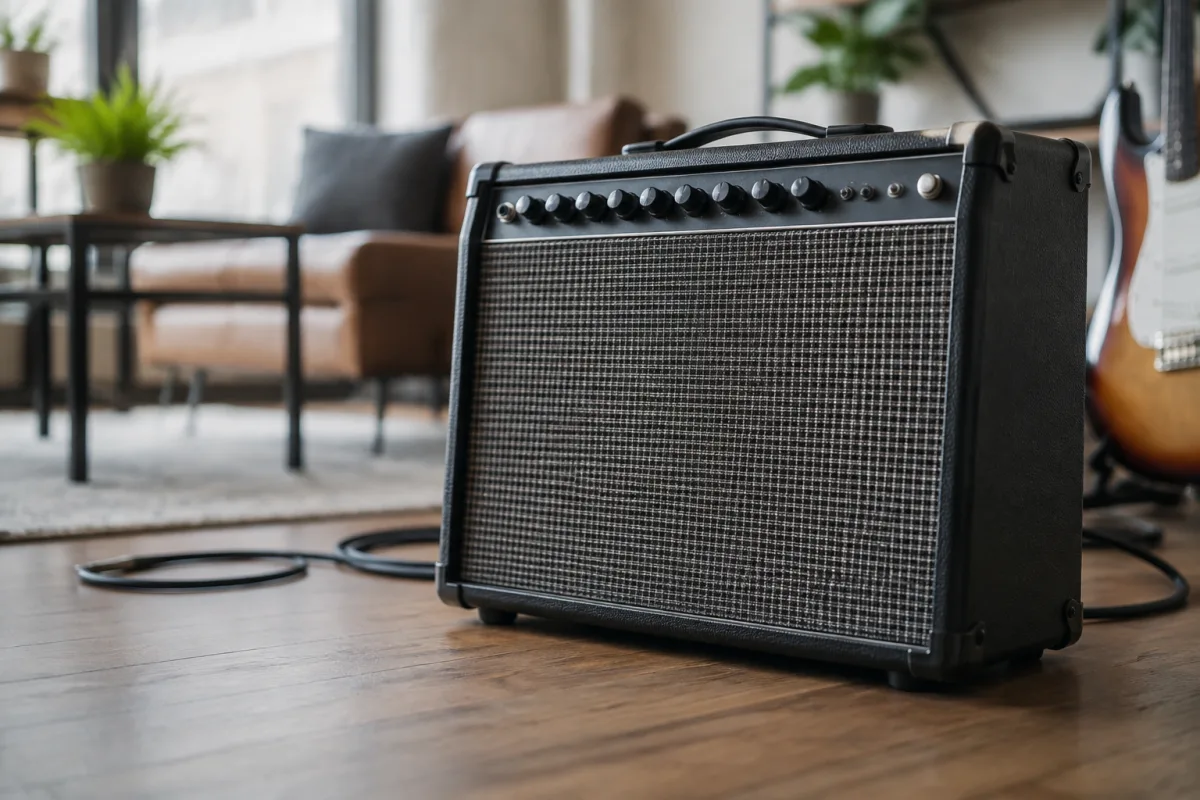
If you're a beginner guitarist looking at amplifiers and Line 6 keeps appearing in searches, you might wonder if they're the right choice for someone just starting out. Line 6 is a digital amplifier manufacturer known for creating powerful modelling amps that can emulate countless real-world amplifiers, effects, and tones. This technology can feel intimidating at first, which makes beginners hesitate. The reality? Line 6 amplifiers are excellent for beginners precisely because of their versatility—you can explore hundreds of amp sounds, effects, and tones without needing separate pedals. This guide explains what makes Line 6 special, which models suit newcomers, why beginners often overthink the technology, and how to start using a Line 6 amp confidently. For deeper technical knowledge, explore our complete guide to Line 6 guitar amps once you've chosen your model.
Understanding Line 6 Technology—It's Less Complicated Than It Sounds
Line 6 amplifiers use digital modelling technology to recreate the sound of famous amplifiers and effects through computer simulations. Instead of owning twenty different physical amplifiers, a Line 6 amp can emulate them all. This sounds complicated, but here's what beginners need to know: you don't have to understand the technology. You just turn it on, select a sound that appeals to you, and play. The underlying digital processing is invisible—all you experience is sound. Compared to traditional amplifiers that offer one basic tone, Line 6 gives you endless options. For beginners exploring what sounds you like, this is a massive advantage. You can try jazz tones, metal tones, classic rock, alternative—all within minutes—without buying multiple amplifiers.
Why Beginners Actually Benefit From Line 6's Approach
Many guitar teachers recommend traditional tube amplifiers for beginners, but Line 6 offers specific advantages for learners:
- Tone exploration: As a beginner, you don't know what tones appeal to you. Line 6's vast model library lets you sample hundreds of amp sounds quickly. You discover your preferences faster.
- Built-in effects: Traditional amps require separate effect pedals. Line 6 integrates delay, reverb, distortion, compression, and more into the amp itself. You're not locked into expensive pedal purchases.
- Practice versatility: Practising rock riffs through a metal tone is frustrating. With Line 6, you switch tones instantly. This keeps practice engaging across multiple styles.
- Recording capability: Most Line 6 amps include USB recording outputs. You can record directly to your computer without additional equipment. Beginners benefit enormously from hearing recorded playback.
- Lightweight and portable: Digital modelling allows compact designs. Even high-power Line 6 amps are lighter and smaller than equivalent tube amps.
- Lower cost of entry: A Line 6 amp offering hundreds of tones costs less than a traditional amp plus pedal board.
Best Line 6 Models for Beginners
Line 6's range spans from entry-level to professional touring rigs. Here are the best options for newcomers:
Line 6 Spark: This is arguably the best beginner combo amp on the market. It's compact, affordable (150-200 pounds), and includes wireless connectivity so you can jam wirelessly. The Spark is specifically designed for home practice and small venues. Thousands of beginners use it. If budget is your main concern, this is the obvious choice.
Line 6 Spider V 30 or 60: These are step-up models offering more features and louder output than the Spark. The V 30 (30 watts) suits bedroom practice and small gigs; the V 60 (60 watts) handles larger rooms. They include more amp models, better effects, and expression pedals for real-time tone control. Price range: 250-400 pounds depending on wattage.
Line 6 Helix Floor: This is a professional-grade unit (800+ pounds) that's overkill for most beginners but occasionally purchased by advanced learners or gigging players. Don't start here unless you have significant budget and experience.
Common Beginner Mistakes With Line 6 Amps
As you explore Line 6, watch for these errors:
Getting overwhelmed by options: Beginners often freeze when presented with hundreds of amp models and effects. You don't need to try everything. Pick a tone you like and spend time with it. Exploration comes later.
Overusing effects: Just because effects are available doesn't mean you should use all of them. A clean tone with subtle reverb sounds better than a chaotic tone with every effect engaged.
Ignoring the manual: Line 6 amps include comprehensive user guides. Reading the manual accelerates your learning and reveals features you'd otherwise miss.
Expecting it to sound like a tube amp: Line 6 amps are digitally modelled simulations, not tube amplifiers. They sound great, but they sound different. If you're fixated on vintage tube tones, digital modelling might disappoint you. Give it time to grow on you.
Not using the USB recording feature: One of Line 6's biggest advantages for beginners is built-in recording capability. Many beginner guitarists never explore this, missing the opportunity to hear themselves objectively.
Buying too much wattage: A 60-watt Line 6 Spider is tremendously loud for home practice. Unless you're regularly playing venues, 15-30 watts is sufficient. Don't buy more power than you'll use.
Getting Started With Your Line 6 Amp
Once you've acquired a Line 6 amp, here's how to begin:
Set up correctly: Connect your guitar to the input and place the amp where you can hear it clearly. Start at low volume while you're learning.
Browse the presets: Line 6 includes factory presets (pre-configured sounds). Spend a few minutes scrolling through these to find tones that appeal to you. Don't judge individual tones harshly; preferences change with experience.
Find three favourite sounds: Pick one tone for rock, one for blues, and one for whatever else interests you. Use these three sounds exclusively for your first week. This familiarises you with what good tones feel like.
Learn one control at a time: Line 6 amps have numerous controls. Don't try to master everything at once. Focus on gain, tone, and one effect. Add complexity gradually.
Record yourself: Use the USB output to record simple exercises. Listening to recorded playback trains your ear and reveals weaknesses you can't hear in real-time.
Experiment after mastery: Once you're comfortable with the basics, explore custom tone creation. But this comes after you've learned core functionality.
Addressing the Tube vs. Digital Debate
Some traditionalists argue that beginners should start with tube amplifiers, not digital modelling. Here's the truth: both are valid. Tube amps offer a specific, consistent sound. Digital amps offer flexibility and exploration. For discovering your preferences and learning effects, digital is arguably superior. As you develop, you might transition to tube amps for their character. Or you might stay with digital. Both are legitimate paths.
Conclusion: Line 6 as Your Beginner Platform
A Line 6 guitar amp, particularly the Spark or Spider series, is an excellent platform for beginner guitarists. The vast tone library removes pressure to "find your sound"—you explore naturally through playing. Built-in effects eliminate expensive additional purchases. Recording capability accelerates learning. Don't let technology concerns intimidate you. Start with the Spark if budget is tight, upgrade to Spider if you want more features, and ignore the hype. You're making a choice that opens doors to exploring your musicianship without breaking the bank. Welcome to Line 6.



Comments