


Line 6 Guitar Amp Buying guide
Line 6 Guitar Amp: A Complete Buyer's Guide
Line 6 makes versatile digital amp modelling systems for every budget and use case. This buying guide explains what you're actually paying for, common mistakes to avoid, and how to choose the right model without overspending.
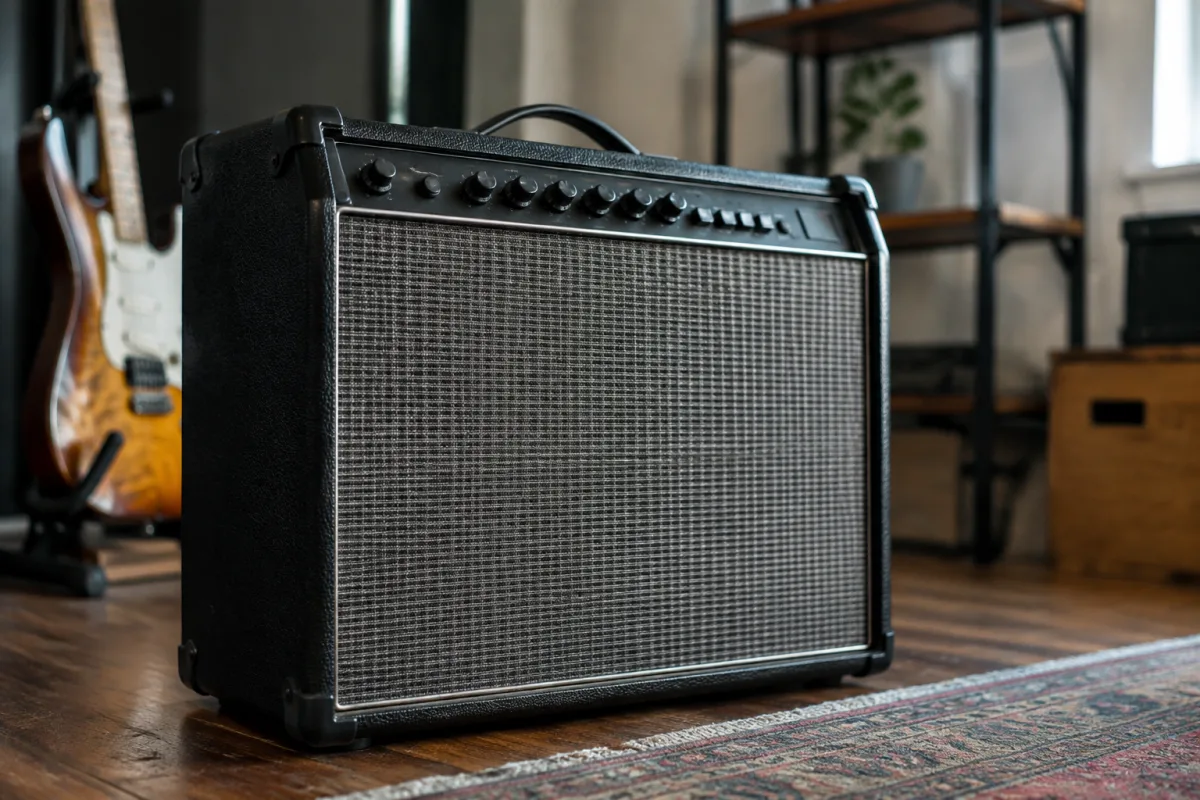
Shopping for a Line 6 guitar amplifier means choosing from modelling technology across multiple price points and application contexts—studio recording, bedroom practice, gigging, or bedroom tinkering. This buying guide focuses on specs that actually differentiate their models, common misconceptions about digital modelling, what you're actually paying for at different price tiers, and how to avoid overspending on features you won't use.
Line 6 Amp Modelling: What You're Actually Getting
Line 6 amplifiers use digital modelling technology to emulate vintage tube amps, modern solid-state designs, and hypothetical amplifiers that don't physically exist. A single Line 6 amp can sound like a Marshall stack, a Fender combo, a boutique overdrive amp, or something entirely synthetic. This flexibility is both an advantage and a pitfall. Advantage: extraordinary versatility in one compact unit. Pitfall: decision paralysis from too many options and the temptation to chase tone rather than developing your playing. As a buyer, understand whether you're seeking variety or simplicity.
Price Tiers and Use Cases
Line 6 makes three distinct tier categories. Entry-level models (Spider, Catalyst series, £200–£500) are home practice amps with basic modelling. Mid-range models (Helix LT, Powercab £800–£1,500) are gigging-capable systems with advanced features. Professional models (Helix Floor, full Powercab setups £2,000+) are touring rigs with every feature imaginable. Match the tier to actual need: bedroom practice doesn't justify professional features, and trying to gig on an entry-level model will disappoint you. Choose pragmatically.
Wattage and Speaker Configuration
Line 6 amps range from 10-watt bedroom combos to 300-watt powered systems. Here's the practical reality: a 10–20-watt Line 6 is genuinely loud for bedroom and rehearsal use because digital modelling is efficient. A 40–100-watt unit handles small-to-medium gigs without external speakers. A 150+ watt setup with separate powered cabinet works for large venues. Don't make the mistake of assuming wattage directly correlates to volume; Line 6's efficiency means smaller wattage goes further than traditional tube equivalent.
Built-In Speaker Quality
Entry-level Line 6 combos have basic speakers adequate for practice. When you're shopping for gigging rigs, speaker quality matters significantly more. The Powercab series (separate from the amp head) uses high-quality drivers and is specifically designed to represent amp tone accurately. If you're comparing two models at similar price points and one has better speaker specifications, that's a meaningful difference. Research driver size, frequency response, and wattage handling.
Connectivity and Recording Features
Most Line 6 amps include USB connectivity for recording into a computer—this is genuinely useful. More expensive models have balanced XLR outputs for studio recording. Some offer expression pedal inputs for real-time parameter control. Professional models (Helix) have built-in effects loops, MIDI control, and advanced routing. Ask yourself: will I actually use these features? Recording capability is useful if you're demoing songs; MIDI control is only necessary if you're building a complex live rig. Don't overpay for unused features.
The Footswitch Question
Higher-end Line 6 models include footswitches for switching amp models and effects in real time. Entry-level models require front-panel knob tweaking or external foot controller purchase. If you're gigging, a built-in footswitch matters—you need to change amp settings hands-free. If you're practising at home, front panel control is fine. This feature alone can justify a £400–£500 step up in cost for gigging musicians.
Model Library and Updates
Line 6's amp library (available models) improves over time through software updates. Newer units have more amp models; older units have fewer. If you're buying used, research how many models that vintage unit has—you might want newer software. Some models can't be updated beyond their original specification. Factor this into used purchases; paying slightly more for a recent model ensures access to current software and more modelling options.
Common Mistakes When Buying Line 6
First, don't assume more amp models equals better tone. A talented player gets excellent sound from 5 models; an indecisive buyer gets paralysed by 500. Second, don't confuse modelling flexibility with tone quality. A Line 6 model of a Marshall doesn't sound identical to an actual Marshall—it's genuinely good but tonally distinct. If you're seeking specific amp authenticity, research reviews or listen to demos. Third, don't buy professional gear for bedroom use. You'll overspend on features you won't utilise. Fourth, overlook speaker quality. A brilliant amp head paired with a mediocre speaker sounds disappointing. Research speaker specifications alongside amp features.
New Versus Used Considerations
Line 6 amps hold value reasonably well at 60–70% of original price because the modelling technology remains current across models. Used models from recent years are safe purchases if they're in working condition. Older models (5+ years) may have fewer amp models available, which matters if variety is important to you. Test a used model before committing; ensure the footswitch works, the display functions correctly, and all knobs respond smoothly.
Gigging Considerations
For gigging musicians, a Line 6 amp offers consistency—you control your exact tone regardless of venue equipment. This is genuinely valuable if you're playing different rooms weekly. However, some venues have technical staff unfamiliar with digital systems; having a direct output to the PA (balanced XLR) and a backup amp strategy is sensible. Also, carry backup batteries for footswitches and USB cables for updates. Digital gear requires more planning than tube amp simplicity.


Comments