


Keeley Guitar Pedals article
Keeley Guitar Pedals for Beginners: A Complete Guide
A practical beginner's guide to getting started with Keeley guitar pedals. Discover setup tips, common mistakes, and how to develop your effects vocabulary.
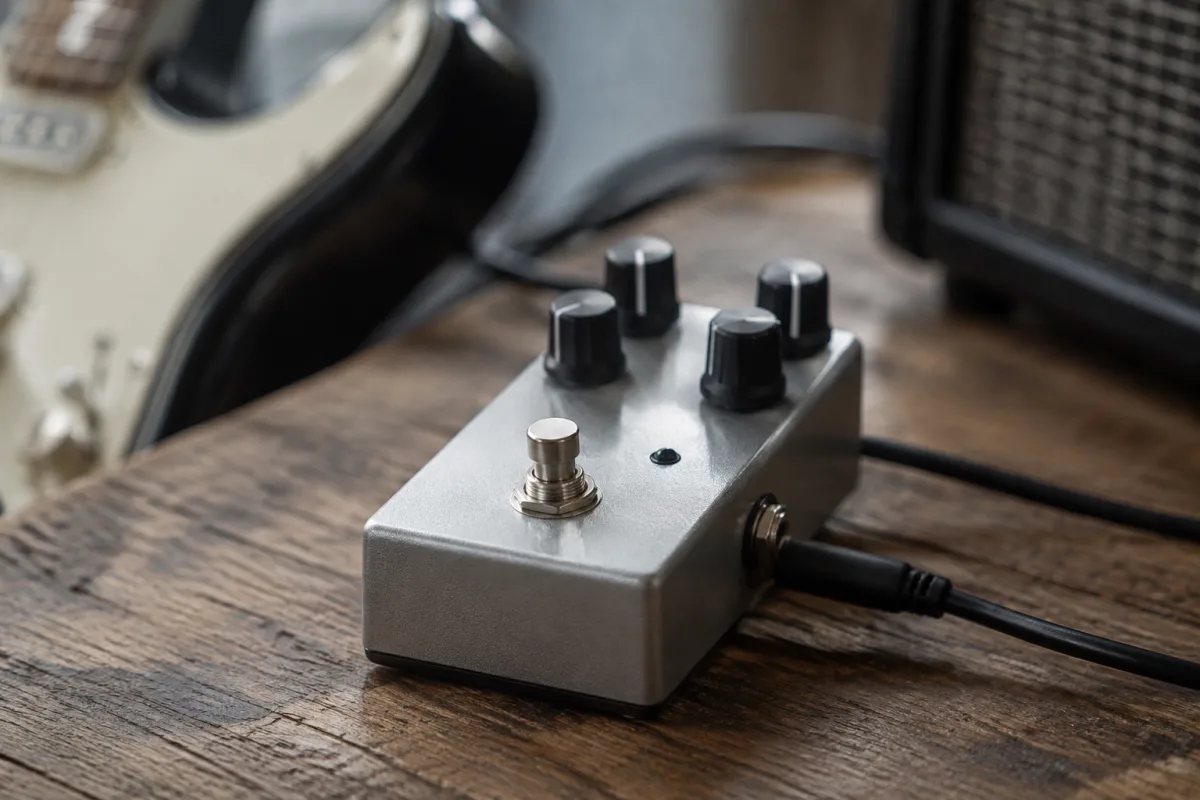
If you've just acquired your first Keeley guitar pedal, congratulations—you've chosen an effects pedal from one of the most respected names in professional tone shaping. Keeley guitar pedals have a reputation for being thoughtfully designed, musically useful, and surprisingly beginner-friendly despite their professional pedigree. This guide helps you get the most from your Keeley guitar pedals as you explore the wonderful world of effects.
Why Keeley Guitar Pedals Are Great for Beginners
Keeley guitar pedals stand out because they balance simplicity with professional quality. A Keeley pedal won't overwhelm you with confusing parameters or hidden menus. Instead, you get straightforward controls that do exactly what they're labeled to do. This transparency means you'll quickly develop an understanding of how effects shape your tone—invaluable knowledge as you grow as a guitarist.
Keeley guitar pedals are also known for their warmth and musicality. They don't just add effect; they enhance your natural tone in ways that feel natural and musical. This is a hallmark of Keeley's design philosophy, and it makes learning effects more enjoyable.
Your First Days with Keeley Guitar Pedals
When your Keeley guitar pedal arrives, resist the urge to crank everything. Instead, follow these simple steps:
- Read the manual: Keeley manuals are typically clear and concise. They'll explain what each control does and suggest starting points for common playing styles.
- Power it correctly: Keeley guitar pedals use standard 9V power supplies. Use a proper power supply (not a battery) if you plan regular use. Invest in a quality one—it's cheaper than replacing a damaged pedal.
- Connect it in your signal chain: Position your Keeley pedal logically. Generally, gain effects (distortion, fuzz, overdrive) come early; modulation and time-based effects come later. Your Keeley pedal's manual often suggests ideal positioning.
- Set everything to mild starting points: Initialize all controls to minimum or noon position. Engage the pedal and slowly adjust one control at a time. This teaches you what each control actually does.
Understanding Your Keeley Pedal's Character
Different Keeley guitar pedal types have distinct personalities. A Keeley overdrive pedal colors your tone warmly; a Keeley modulation pedal adds movement and dimension. Spend time with your specific Keeley pedal learning what it does best. Play the same phrase with different settings. Notice how the effect changes your tone's character. This deliberate exploration accelerates your learning dramatically.
Keeley guitar pedals respond beautifully to subtle adjustments. Unlike some pedals that sound good only at extreme settings, Keeley pedals often sound great across their entire control range. This gives you plenty of room to explore and discover your own preferences.
Common Beginner Mistakes with Keeley Guitar Pedals
Learning from others' experiences helps you progress faster:
- Expecting instant gratification: Effects take time to integrate into your playing. You'll sound strange at first, then gradually better. Don't judge your Keeley pedal after five minutes of use.
- Using maximum settings thinking "more is better": A Keeley pedal at halfway settings often sounds better than at maximum. Subtlety matters. Professional players use effects tastefully, not as a battering ram.
- Placing your Keeley pedal haphazardly in the signal chain: Signal chain order matters. A Keeley modulation pedal will sound different before versus after your distortion pedal. Learn signal chain fundamentals.
- Not comparing bypassed to engaged sound: Always engage and disengage your Keeley pedal repeatedly to hear the difference. This trains your ear and helps you understand what the effect is actually contributing.
- Neglecting to clean the pedal's switch: Keeley guitar pedals are well-built, but the footswitch deserves care. If the switch stops clicking cleanly or feels sticky, gently clean it with a dry cloth. Regular maintenance keeps your pedal responsive.
- Trying every Keeley pedal model before settling on one: Don't assume you need five different Keeley pedals. Master one thoroughly before considering additions. One Keeley pedal used creatively will teach you more than five mediocre pedals.
Listening and Learning with Your Keeley Pedal
Develop your ear by recording yourself with and without your Keeley guitar pedal engaged. Playback often reveals nuances you missed during live playing. Listen to recordings of guitarists you admire using similar effects. Can you identify how they're using the effect? What settings might produce that tone?
Spend 15 minutes daily just playing through your Keeley pedal and listening. Make small adjustments, notice differences, and gradually develop intuition about how the controls interact. This deliberate listening practice is far more valuable than reading about effects.
Building Your Effects Vocabulary
Using one Keeley guitar pedal well teaches you fundamental concepts: how gain structure works, how frequency shaping affects tone, how control interaction creates complexity. These concepts transfer directly to other pedals and gear. When you eventually add more pedals, you'll understand them quickly because your Keeley pedal already taught you the fundamentals.
This foundation also makes you a better listener and more intentional in your playing choices. You understand that effects are tools for expression, not crutches or shortcuts.
When to Expand Your Keeley Pedal Collection
Most beginners should spend at least a month exploring their first Keeley pedal thoroughly before adding others. When you do expand, choose a Keeley pedal that complements your first one—perhaps a different effect type (modulation to go with distortion, for example) or a variant of the same effect that serves a different role. This thoughtful expansion keeps your board manageable and your learning cohesive.
For comprehensive information about Keeley guitar pedal models, tone characteristics, and advanced techniques, explore the complete guide to Keeley guitar pedals. That resource covers the full range of Keeley's offerings and helps you make informed choices as your expertise grows.
Your Keeley Pedal Journey Begins
You've chosen well in selecting a Keeley guitar pedal. These are instruments of genuine musical expression, designed with care by someone who understands how guitarists work. With patience, deliberate practice, and focused listening, your Keeley pedal will become an extension of your musical voice. Enjoy the process of discovery, and trust that consistent, thoughtful exploration will develop your skills and your tone in ways that surprise you.


Comments