


Keeley Guitar Pedals Buying guide
Keeley Guitar Pedals: A Complete Buyer's Guide
Keeley guitar pedals command premium prices for documented reasons. This buying guide helps you decide whether Keeley pedals suit your tone and budget.
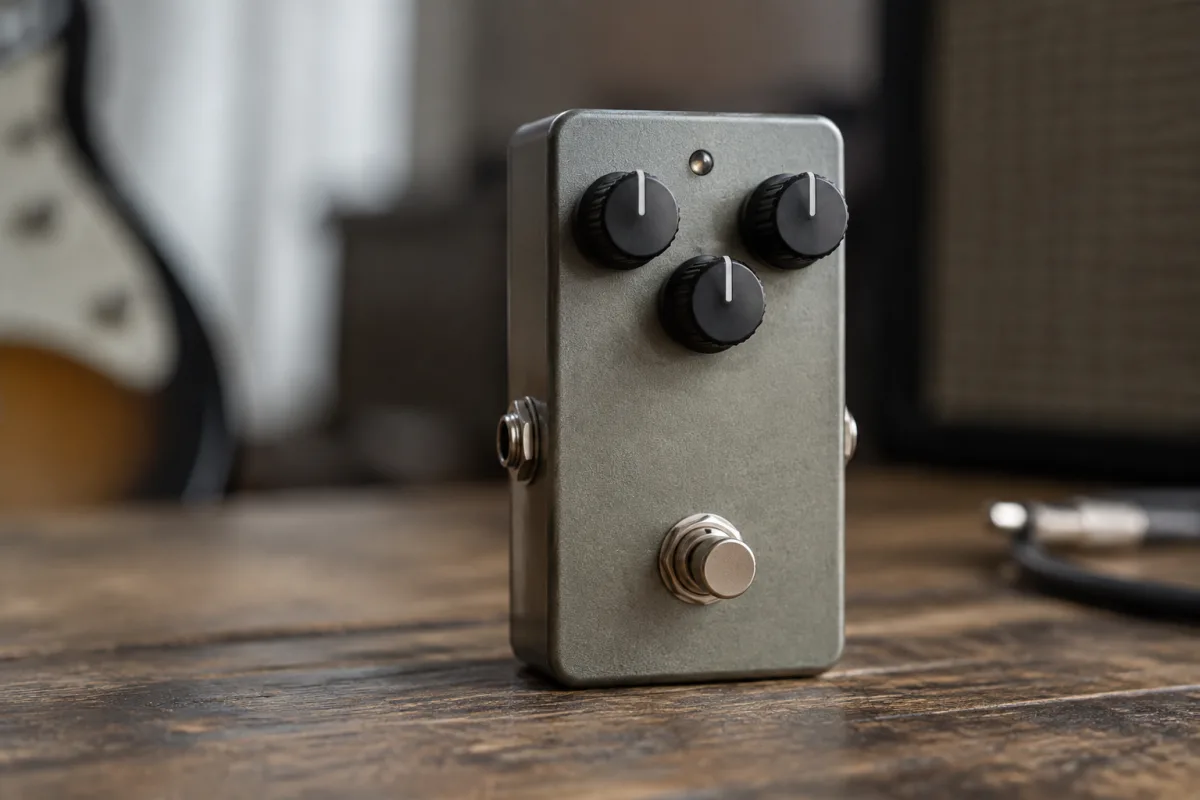
Keeley guitar pedals occupy a distinctive market position: they're premium-priced but respected by professional musicians. If you're considering investing in Keeley guitar pedals, this guide focuses entirely on purchase decisions. What specs matter, what justifies the premium price, how to identify genuine Keeley offerings, and when cheaper alternatives might actually suit you better. By the end, you'll make an informed decision aligned with your budget and needs.
Why Keeley Guitar Pedals Command Premium Pricing
Keeley guitar pedals cost significantly more than mass-market alternatives: typically £100-250 per pedal versus £40-80 for budget competitors. This premium exists for documented reasons. Keeley designs filters circuit topology around the guitarist's hand: how you pick, how hard you play, how you bend. This thinking produces tone that responds intuitively to your technique—a quality mass-market pedals rarely achieve.
Build quality justifies part of the premium. Keeley uses robust components, hand-assembled circuitry, and thorough testing. Pedals are individually serial-numbered and tracked. This manufacturing discipline ensures consistency and reliability that budget manufacturers rarely match. When you buy Keeley guitar pedals, you're betting on durability.
But premium pricing demands honest assessment. Keeley guitar pedals sound exceptional, but "exceptional" is subjective. Some players prefer different voicings. Price premium doesn't automatically mean best fit for your specific tone goals. That's the purchasing decision to evaluate.
Core Keeley Offerings and Their Market Position
Keeley guitar pedals focus primarily on three categories: overdrive drives, modulation effects, and tone-shaping pedals. The Keeley Kloner Overdrive, for example, is iconic—it's designed to push your amp's natural response rather than impose a signature sound. Keeley guitar pedals generally prioritize transparency and responsiveness over aggressive tone shaping.
This philosophy matters when buying. If you want obvious, aggressive tone coloration, Keeley guitar pedals might feel subtle to the point of transparency. If you want your playing technique to shine through with subtle enhancement, Keeley guitar pedals excel. Knowing which category you belong to determines whether Keeley guitar pedals justify the premium.
Building a Pedalboard: Keeley's Strategic Role
Few guitarists build entire pedalboards from Keeley guitar pedals—the budget would be prohibitive. Instead, Keeley guitar pedals typically anchor a pedalboard. You might buy a Keeley overdrive as your core tone shaper, then use budget options for secondary effects. This strategy maximizes Keeley guitar pedals' tonal impact while maintaining reasonable overall cost.
When buying Keeley guitar pedals for a pedalboard, think strategically. Which single effect most impacts your core tone? That's where Keeley guitar pedals deliver maximum return. A premium overdrive justifies its cost if it's your primary tone color. A secondary reverb probably doesn't.
Price Tiers and Keeley's Product Range
Keeley guitar pedals range from £90 to £250, with most core offerings in the £120-180 range. At the lower end (£90-120), you get simplified versions of flagship effects. Mid-range (£120-180) includes most of Keeley's iconic models. High-end (£200+) features expanded controls or limited editions. Entry-level Keeley guitar pedals often represent better value than flagship models—you get the core Keeley character at moderate pricing.
Limited editions and signature models command premium prices. These often use exotic components or unusual configurations. Unless you specifically want a particular limited edition, standard versions of Keeley guitar pedals offer better value. Standard models undergo decades of refinement; limited editions prioritize novelty.
What to Verify Before Buying Keeley Guitar Pedals
Authenticity matters with premium pedals like Keeley guitar pedals. Counterfeits exist, particularly for iconic models. Verify several details: check the Keeley official website for authorized retailers, inspect serial numbers (genuine Keeley guitar pedals have clearly printed serials), verify the build quality matches Keeley's standards, and confirm the box includes documentation explaining the specific model's history and controls.
Used Keeley guitar pedals are common and often represent excellent value. When buying used, pay particular attention to the switch mechanism—the footswitch takes most wear. Test it extensively: pressing should feel smooth, not grinding or bouncing. Scratchy pots are acceptable (they often clean with use), but dead switches require professional repair (£50-100 investment).
Check that all original controls and hardware remain. Missing knobs, jacks, or switches indicate neglect. Cosmetic wear is fine; structural issues warrant negotiation or avoidance.
Sound Shaping: Understanding Keeley's Design Philosophy
Keeley guitar pedals prioritize preserving your amplifier's natural character while enhancing it. This means Keeley guitar pedals pair well with specific amp types but might disappoint others. If you play through a warm, naturally compressed tube amp, Keeley guitar pedals' transparency shines. If you play through a cold, sterile solid-state amp, you might want more aggressive tone coloration than Keeley guitar pedals provide.
When buying Keeley guitar pedals, test them with your specific amp if possible. Ask music shops to set up a trial: bring your amp, plug in a Keeley pedal, play for 10 minutes. That short session reveals whether Keeley guitar pedals' character works for your tone goals. This is more reliable than blind online reviews.
Common Buying Mistakes
First mistake: assuming premium price guarantees best fit. Keeley guitar pedals are exceptional, but they're not universally best. Some players prefer different tone shaping. Expensive doesn't equal perfect for your specific needs.
Second mistake: buying Keeley guitar pedals for secondary effects. A mid-tier reverb or delay probably won't justify premium pricing. Reserve Keeley for effects that shape your core tone.
Third mistake: not testing with your specific gear. A Keeley pedal that sounds fantastic through a shop amp might not gel with your rig. Request shop time with your amp before committing.
Fourth mistake: overpaying for limited editions or signature models. Keeley's standard offerings are refined through decades of refinement. Limited editions prioritize novelty over proven design. Generally, save money and buy standard versions.
When Budget Alternatives Make Sense
Budget pedals (£30-60) serve specific roles well. Delay and reverb effects sound acceptable at budget pricing. Tone-shaping drives and overdrives are where budget compromises most obviously show. If you're building a pedalboard, consider this: invest in Keeley guitar pedals for drives and overdrives, use budget options for time-based effects. This strategy maximizes tone quality while controlling total investment.
New players often wonder whether Keeley guitar pedals are necessary. Honestly? No. A budget overdrive taught tone shaping just as effectively as Keeley guitar pedals, albeit with different character. Keeley guitar pedals are an upgrade tier, not a prerequisite.
For comprehensive comparisons, tonal details, and advanced pedalboard strategies, explore our complete guide to Keeley guitar pedals.
Making Your Final Investment Decision
Buying Keeley guitar pedals is a strategic investment, not an automatic upgrade. Keeley delivers exceptional tone transparency and build quality that justifies premium pricing—for the right player. If you prioritize tone preservation and intuitive response, Keeley guitar pedals excel. If you want aggressive tone coloration or are budget-constrained, explore alternatives. Test with your specific amp before committing. Buy used to reduce financial risk. Focus on core tone effects rather than secondary functions. Do these things, and Keeley guitar pedals reward you with tone that enhances your playing for years.


Comments