


Keeley Effects Buying guide
Keeley Effects: A Complete Buyer's Guide
Keeley effects are trusted by professionals and hobbyists alike for their tonal purity and build quality. This buying guide helps you navigate the range and find the pedals that'll genuinely improve your tone.
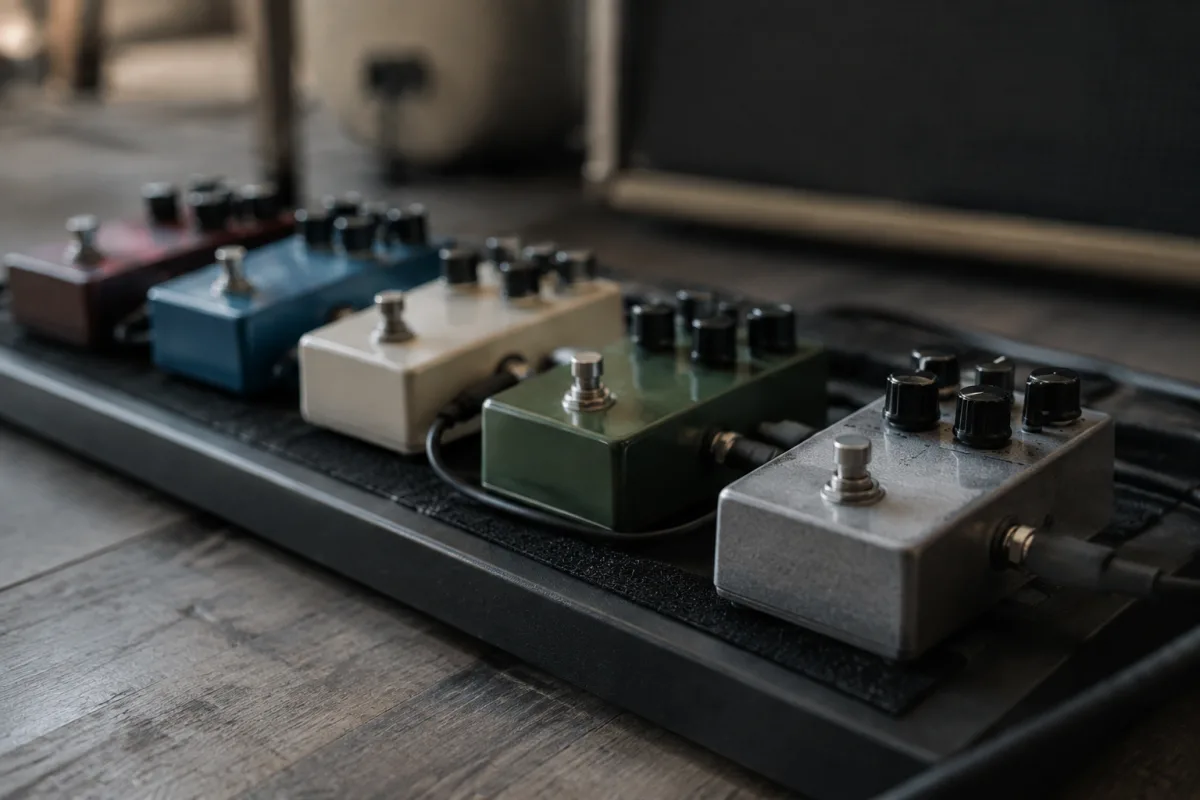
Keeley effects pedals have earned a devoted following among guitarists who value tone, build quality and genuine innovation. Whether you’re assembling your first pedalboard or upgrading your signal chain, understanding what Keeley offers and how to choose the right effects for your needs will save you money and frustration down the line.
What Makes Keeley Effects Stand Out
Robert Keeley has spent decades perfecting guitar effects, and his pedals reflect a philosophy of sonic excellence paired with thoughtful engineering. Keeley effects are known for their transparency, low noise floor and ability to enhance your tone without colouring it unnaturally. Unlike boutique pedals that sacrifice practicality for mystique, Keeley designs pedals that work beautifully in real-world gigging and recording situations.
The brand spans a wide range — from affordable, no-frills options to premium limited editions that represent some of the finest effects money can buy. This means there’s genuinely something for every budget and musical style, without having to compromise on core sound quality.
Understanding Keeley’s Product Lines
Keeley organises its effects into several distinct families, each with its own character and purpose. The Red Box series delivers thick, saturated overdrive and distortion tones ideal for rock, metal and heavy blues. The Compressor Plus is beloved by session musicians and pros for its ability to shape dynamics without squashing tone. The Fuzz pedals tap into vintage tones with modern reliability. And the modulation effects — reverbs, delays and chorus units — are known for their lush, spacious character.
Additionally, Keeley offers signature collaborations with famous guitarists (like the Shawn Lane signature effects), limited runs and experimental pedals that push the boundaries of what a compact effect can do. These special releases often appreciate in value over time, making them interesting from both a sonic and collector’s perspective.
Key Specifications to Evaluate
When shopping for Keeley effects, several technical factors matter more than hype or aesthetics:
- Signal-to-noise ratio: Keeley pedals excel here. Check that the noise floor is genuinely low, especially important for gain-heavy effects like overdrive or fuzz.
- True bypass or buffered bypass: True bypass keeps your signal pristine when the pedal is off, but can cause signal degradation across a long pedalboard. Buffered bypass maintains signal integrity across multiple pedals. Keeley typically offers both, so know your needs.
- Power requirements: Some Keeley pedals run on a single 9V battery, whilst others need a power supply. Check whether the pedal fits your pedalboard setup.
- Footswitch durability: Keeley uses quality switches that withstand years of gigging. Cheap clones fail quickly.
- Tone shaping controls: More expensive Keeley pedals often feature more knobs and switches for tweaking. Decide whether you want simplicity or extensive customisation.
Read the manual before buying — Keeley pedals often have hidden features or settings that aren’t immediately obvious from the front panel. This is particularly true of their newer digital and hybrid designs.
Price Tiers and Value Assessment
Keeley effects range widely in cost, and understanding where your money goes helps you make an informed choice.
| Price Range | Typical Pedals | Best For | Considerations |
|---|---|---|---|
| £80–150 | Basic compressors, simple overdrives | Budding pedalboard builders | Solid performance, limited tone-shaping options |
| £150–250 | Standard overdrive, distortion, modulation | Gigging musicians seeking reliability | Excellent value; Keeley’s bread and butter |
| £250–400 | Premium compressors, signature models | Professionals, tone enthusiasts | Superior controls and customisation |
| £400+ | Limited editions, experimental designs | Collectors and tone obsessives | Often appreciate in value; rarely resold |
Don’t assume that a higher price always means better sound. A £150 Keeley compressor often outperforms a £300 boutique option from an unknown brand. That said, Keeley’s premium pedals do offer refinement and features worth paying for if you’re serious about your tone.
Common Pitfalls When Buying Keeley Effects
Left-handed players, ironically, face no special challenges with Keeley pedals — effects are universally operated by foot. However, all players should avoid several common mistakes:
Don’t buy blind. Keeley effects sound radically different depending on what precedes them in your signal chain. A compressor that sounds lush after a clean tone might strangle your tone after a heavy overdrive. Test the exact pedal you’re buying in your rig if possible. Don’t assume that vintage Keeley models are automatically better. Newer designs benefit from modern components and refinements. Don’t stack multiple Keeley pedals without understanding how they interact — too many effects in series can degrade your signal, even with top-tier pedals.
Also, watch out for counterfeit Keeley pedals. They’re rare but exist, especially in the used market. Buy from authorised dealers or established secondhand retailers if you want assurance of authenticity. Real Keeley pedals have solid construction, clear labelling and a hefty feel that cheap clones simply can’t match.
Choosing the Right Effect for Your Playing Style
Keeley makes over fifty distinct effects, so narrowing down your choice means knowing your musical priorities. Blues players gravitate toward the compressors and overdrive pedals, which add sustain and responsive dynamics without sacrificing note clarity. Rock musicians often favour the distortion and fuzz options, which deliver articulate aggression. Jazz and alternative players frequently use the modulation and reverb pedals for texture and space. And session musicians often build entire pedalboards around Keeley compressors and reverbs, which work universally across genres.
Start by identifying the one effect you use most often, then build outward. A solid foundation pedal (usually a compressor or overdrive) often improves your tone more than adding ten fancy effects later.
Where to Buy and Ensuring Authenticity
Authorised Keeley dealers (easily found on the official Keeley website) offer the full product range, warranties and honest advice. Major online retailers like Thomann and Gear4Music stock Keeley effects competitively. Secondhand markets like Reverb.com are excellent for finding older models or limited editions, but always check the seller’s ratings and ask questions about the pedal’s history and condition.
If buying used, listen carefully to audio demos, inspect photos for damage or wear, and don’t hesitate to ask the seller specific questions about the pedal’s operation. A well-maintained Keeley pedal can outlast the guitarist who owns it, so condition matters far less than functionality and honest provenance.
Making Your Final Decision
Buying Keeley effects is an investment in your tone and your rig’s reliability. Spend time listening to demos and reading reviews from players whose style matches yours. If you can, try before you buy. And remember that the best effect is the one you’ll actually use regularly — not the one with the most knobs or the highest price tag. For a deeper exploration of Keeley’s complete range, see the complete guide to Keeley effects, which covers the history, innovation and full product ecosystem.
Choose wisely, maintain your pedal, and you’ll enjoy years of reliable, inspiring tone shaping that Keeley is famous for.
FAQ
Is Keeley better than Boss or Electro-Harmonix effects?
Different brands excel in different areas. Boss pedals are reliable workhorses with good value. Electro-Harmonix offers quirky, experimental sounds. Keeley sits in the middle — premium build quality, excellent tone and thoughtful engineering without charging exotic boutique prices. Choose based on your specific tone needs.
Do I need to use a dedicated power supply for Keeley pedals?
Not necessarily. Many Keeley pedals run on standard 9V batteries. However, if you plan to build a large pedalboard with multiple effects, a dedicated power supply is convenient and often cleaner sounding than mixing batteries and power sources.
Which Keeley pedal should a beginner start with?
The Keeley Compressor Plus is an excellent first Keeley effect for most players — it teaches you how dynamics shaping works without adding complexity. Alternatively, a simple Keeley overdrive (like the Oxblood) gives you warm, responsive gain without overwhelming options.
Are older Keeley pedals better than new ones?
Not necessarily. Older Keeley pedals have character and classic appeal, but newer designs benefit from refined circuits, better components and more reliable construction. Buy based on the specific pedal and your tone needs, not age.
Can I use Keeley pedals with a bass guitar?
Absolutely. Keeley makes several effects designed for bass, and even guitar-oriented pedals often work beautifully with bass. Just remember that bass frequencies interact differently with effects than guitar frequencies — test before committing.
How do I know if a used Keeley pedal has been modified?
Ask the seller directly. Modified pedals aren't bad per se, but they may have changed tone, noise characteristics or resale value. Compare the pedal's appearance to photos of stock models online, and listen carefully to audio demos provided by the seller.


Comments