


Keeley Pedal article
Keeley Pedal for Beginners: A Complete Guide
Keeley makes some of the most intuitive, reliable guitar effects pedals available. This beginner's guide reveals which Keeley pedals work best for learners, what to expect, and how to build your first effects setup.
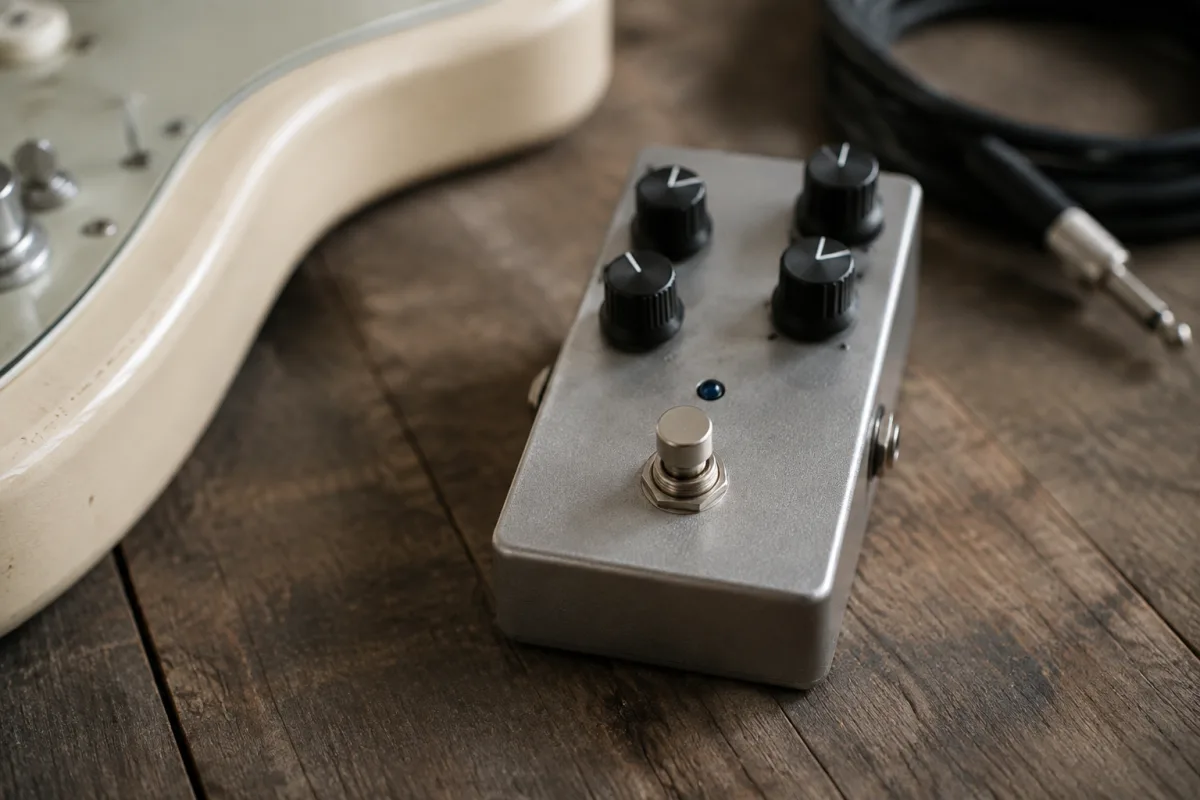
If you're just discovering guitar effects and keep seeing Keeley recommended, you've stumbled onto one of the most trusted names in pedal manufacturing. Keeley is known for meticulous engineering, responsive tone-shaping tools, and effects that behave exactly as you'd expect them to. For a beginner who wants to explore effects without buying unreliable gear, Keeley is a genuinely smart starting point. This guide explains what makes Keeley special, which pedals suit learners, and how to approach your first effects purchase.
Who Is Keeley and Why Do Guitarists Trust Their Pedals?
Keeley Electronics was founded by Robert Keeley, an electrical engineer who started by modifying existing pedals and eventually designed his own effects. His philosophy is straightforward: every control should do exactly what its label promises, every pedal should work reliably, and the tone should be genuine rather than gimmicky. Keeley pedals have been used by professionals across genres—blues players, rock players, folk players—because they work as intended and hold up under regular use. For a beginner, this reliability is invaluable. A Keeley pedal won't frustrate you with confusing controls or fail mid-rehearsal.
Keeley Pedal Range: Where Beginners Should Focus
Keeley makes dozens of effects across multiple price points. For beginners, focus on these categories. Their drive pedals (overdrives and distortions) are exceptionally musical and responsive to picking dynamics—they teach you how gain and tone interact. Their modulation effects (chorus, tremolo, phaser) are clear and usable without extensive tweaking. Their delay and reverb pedals are spacious and inspiring for songwriting. Skip exotic experimental pedals until you've mastered basics; that advice applies to any brand, including Keeley.
Common Beginner Questions About Keeley Pedals
Do I need a Keeley pedal for my first effect? No, but it's genuinely sensible. Keeley pedals cost £100–£300 depending on the effect, positioning them as mid-range options—not cheapest, but not boutique-priced either. For that price, you're buying reliability, intuitive controls and tone that rewards your playing. Budget guitar brands in the £30–£60 range often frustrate beginners with unintuitive controls and unreliable switching. For £100–£150 more, Keeley is worth every penny. Which Keeley pedal should I start with? If you want to experiment broadly, buy a multi-effects unit or a Keeley overdrive (their bread and butter). If you're drawn to a specific sound—modulation, delay, reverb—start with that effect from Keeley. Avoid buying "because it's famous"; buy because it addresses what you're trying to achieve sonically.
Drive Pedals: The Keeley Specialty
Keeley's most respected pedals are overdrives and distortions. Models like the Tube Screamer-inspired pedals (many 'Screamers are actually modded Keeley versions) are prized because they respond to your picking dynamics—play gently and get subtle breakup; play hard and get more drive. This responsiveness teaches you that your hands control tone, not just the pedal settings. That's genuinely valuable education for a beginner learning tone-shaping. These pedals sit at the higher end of the Keeley range (£150–£250) but are worth the investment if drive/overdrive is your primary interest.
Modulation, Delay and Reverb: Keeley's Expanding Range
Beyond drive, Keeley makes chorus, tremolo, phaser, flanger, delay and reverb effects. Their modulation pedals are particularly praised for clarity and subtle responsiveness. A beginner experimenting with chorus to add shimmer to clean tones will find a Keeley chorus incredibly usable. Same applies to their delay and reverb options—you set the controls and immediately get what you'd expect, without mysterious menu-diving or confusing parameter lists. This directness is invaluable when you're learning to shape tone.
Building a Board: Keeley and Beyond
As a beginner, you don't need multiple Keeley pedals simultaneously. Start with one effect addressing your immediate sonic goal. Use it for months, understand it completely, then add another pedal. This gradual approach teaches you how effects interact instead of overwhelming you with options. If your first pedal is Keeley, you'll have an excellent foundation for adding effects from other manufacturers later—Keeley's intuitive design sets a high standard you'll appreciate in every future purchase.
Price and Long-Term Value
Keeley pedals range from £80 (simple effects) to £300+ (complex multi-function units). For beginner purposes, budget £100–£200 for your first Keeley pedal. You're paying for intuitive controls, reliable switching, and tone that actually works as promised. Keeley pedals hold value reasonably well because musicians trust the brand—a used Keeley resells at 65–75% of original price. This makes your investment relatively safe even if you later decide effects aren't for you.
Getting Started With Keeley
Visit a shop and listen to Keeley pedals in action before buying—you want to hear them, not just imagine them. Read reviews written by working musicians, not gear reviewers who change pedals monthly. Join beginner guitarist communities and ask what Keeley pedals they'd recommend for your specific sonic goals. Most importantly, resist the urge to buy several pedals at once. One excellent Keeley pedal, thoroughly understood, teaches you more than five mediocre pedals bought out of excitement.


Comments