


Keeley Pedal Buying guide
Keeley Pedal: A Complete Buyer's Guide
Keeley pedals are known for meticulous design and touch-responsive tone. This guide covers pedal types, build quality, price tiers, and how to choose your first Keeley.
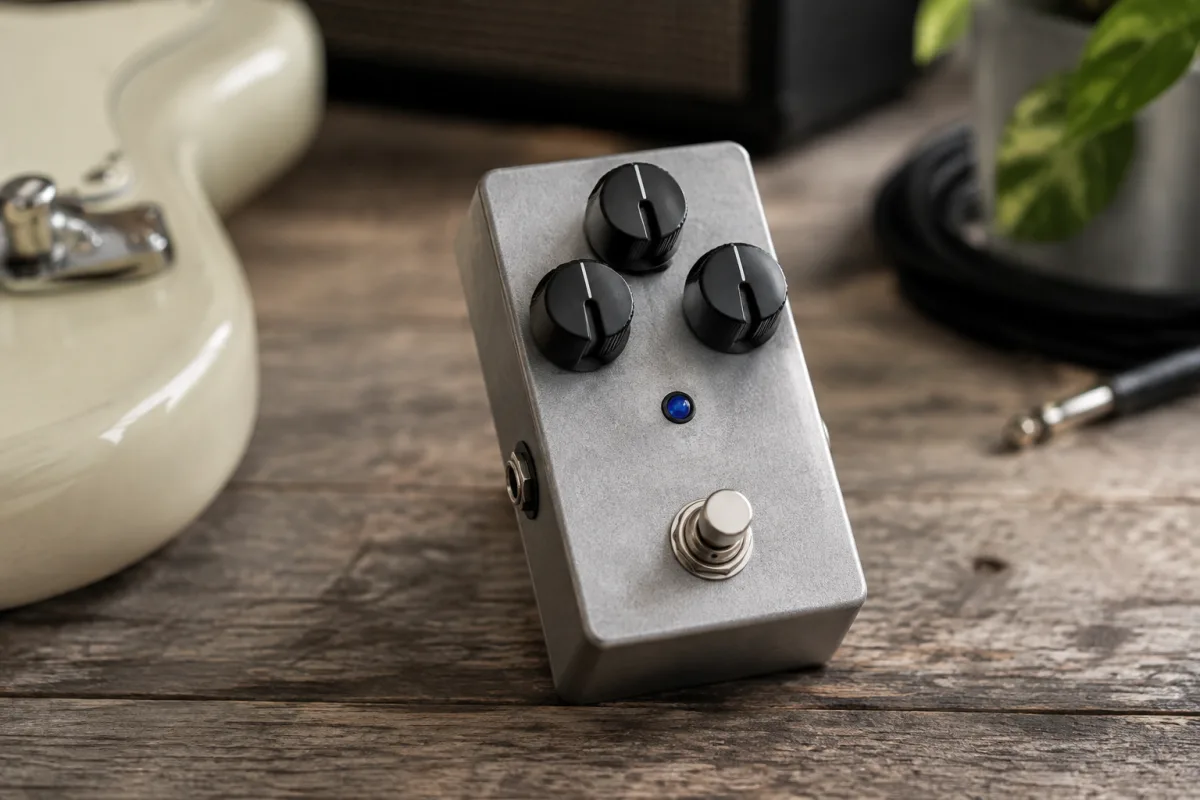
Choosing a Keeley Pedal: What to Look For
Keeley pedals have earned cult status among guitarists who care about tone. The Texas-based builder is known for meticulous hand-work, thoughtful designs, and pedals that respond naturally to your playing dynamics. But the Keeley range spans overdrives, modulation, delays, and reverbs—each with distinct characters and price points. This guide covers the buying decisions when choosing a Keeley pedal, from understanding the signature models to assessing build quality and finding the right effect for your sound.
Why Keeley Pedals?
Keeley doesn't chase trends. Every Keeley pedal is designed to enhance your playing, not replace it. The company's ethos is clarity and musicality—a Keeley overdrive fattens your tone without washing out dynamics; a Keeley modulation effect swirls without losing definition. This matters because cheap pedals often sacrifice clarity for volume or novelty. A Keeley pedal costs more than budget alternatives, but the reason is sound engineering and components that age well. If you're buying your first premium effect pedal, Keeley is a reliable name.
The Keeley Pedal Lineup
Keeley organises its pedals by type. The Keeper series (compact, affordable) offers entry points into Keeley's design philosophy at £80–150. The standard series includes classic models like the Fuzz Bender and Electrified Fuzz Factory. Signature models (designed with artists like Ed Sheeran or Robert Randolph) sit at £150–250. High-end studio pieces push £300+. For a first Keeley pedal, start with the Keeper series or a standard workhorse like the Phat Mod or Super Mod Workstation.
Key Keeley Pedal Types and Their Uses
| Type | Sound Character | Price Range | Best Genres |
|---|---|---|---|
| Overdrive | Warm, responsive, touch-sensitive | £80–200 | Blues, rock, indie |
| Fuzz | Raw, thick, sustaining | £120–220 | Rock, psych, heavy blues |
| Modulation (chorus, phaser, flanger) | Shimmering, swirling, transparent | £100–250 | Indie, shoegaze, funk |
| Delay | Spacious, rhythmic, musical | £150–300 | Post-rock, ambient, experimental |
Build Quality and Materials
A Keeley pedal's build is immediately obvious when you hold it. The enclosure (metal case) is substantial—no cheap plastic. The footswitch is mechanical and responsive. The knobs feel weighted and precise. The connectors (input/output jacks) are solid and won't wear out from regular plug/unplug cycles. This durability matters: a Keeley pedal is made to tour or record in a studio, not replace every year. You're paying for components and craftsmanship that last.
The True Bypass Question
Most Keeley pedals feature true bypass—when the pedal is off, your signal bypasses the electronics entirely, preserving tone. This is standard now, but it matters because a non-true-bypass pedal can colour your tone even when "off." Budget-brand pedals sometimes cut corners here. Keeley doesn't. Confirm true bypass in the spec before buying, though nearly all Keeley pedals have it.
Understanding Tone Controls
A Keeley pedal's knobs are designed to be musical, not fiddly. An overdrive Keeley pedal might have Volume, Drive, Tone, and (on premium models) a Tone Stack or parametric EQ. Don't panic—the default settings sound good, and small knob adjustments make big tonal differences. Spend an evening tweaking, and you'll find your sweet spot. Keeley's layouts are intuitive; you won't need a PhD in signal processing.
Compatibility and Power
A Keeley pedal runs on a 9V power supply (battery or pedal board PSU). Most use standard centre-negative jacks. Check if your pedalboard PSU can supply enough current (Keeley specs are usually 80–200 mA per pedal). Cheap PSUs can't, causing noise or dropout. A quality power supply is as important as the Keeley pedal itself. Budget £50–100 for a decent multi-output PSU if you're building a board.
New vs Secondhand Keeley Pedals
The Keeley resale market is strong. A Keeley pedal from five years ago plays as well as a new one. Check secondhand listings for original box (nice to have, not essential), serial number (proves authenticity), and mention of any repairs. A used Keeley pedal at 60–70% of new price is a smart buy. The company's reputation for longevity means secondhand risks are minimal.
Keeley vs Other Premium Pedal Makers
Keeley competes with Strymon, Boss, and Empress. Each has strengths. Strymon excels in digital verbs and delays. Boss dominates the workhorse market (affordability + reliability). Empress builds quirky, experimental effects. Keeley's niche: analogue overdrive and fuzz that feels alive—responsive, slightly unpredictable, rewarding careful playing. If you play blues, rock, or indie and value touch sensitivity, Keeley is your first call. If you need ambient soundscapes or experimental textures, look elsewhere.
Common Keeley Pedal Pitfalls
Don't buy a Keeley pedal solely on reputation—try it first if possible. A £180 Keeley overdrive won't sound "better" than a £50 Boss OD-1 if the character doesn't suit your guitar or amp. Don't ignore pedalboard power; a Keeley pedal starved of current will hum and misbehave. Don't assume signature models are "better"—they're tailored to an artist's tone, not universally superior. And don't buy multiple Keeley pedals at once; start with one, master it, then add others.
Finding Your First Keeley Pedal
If you play rock or blues and want a go-to overdrive, a Keeley D25 or Limiting Ampifier is ideal (£120–170). If you want fuzz, the Fuzz Bender is a modern classic (£180). If modulation appeals, the Super Mod Workstation (£200) is endlessly tweakable. If you're unsure, start with the Keeper series at under £150—they're affordable experiments in Keeley's design philosophy. Spend a week with any Keeley pedal, and the touch-responsiveness and clarity will convert you.
Tone Progression with Keeley Pedals
Many guitarists start with a Keeley overdrive (fattening their natural amp tone), then add modulation (phaser or chorus), then delay (space and texture). This sequence lets you build a coherent sound rather than stacking incompatible effects. A three-pedal Keeley chain (overdrive, modulation, delay) costs £400–600 and opens creative doors most bedroom players never imagine.
Bottom Line
A Keeley pedal is an investment in tone and reliability. You're not buying hype—you're buying meticulous design and components that last. For blues, rock, indie, and singer-songwriters, a Keeley pedal is a natural choice. Start with an overdrive (the foundation of most rigs), master it for a month, then expand if the bug bites. For the broader Keeley story and deep dives into each model, check the Keeley pedals complete guide covering the full range and lineage.
FAQ
Which Keeley pedal should a beginner buy first?
An overdrive—either the D25, Limiting Amplifier, or Keeper series Overdriven. Overdrive is foundational; you'll use it in nearly every song. Master one effect before adding others.
How much should I spend on a Keeley pedal?
£80–200 for a first pedal. Under £100 (Keeper series) teaches you Keeley's philosophy affordably. £150–200 (standard models) gives you a workhorse for life. Avoid the temptation to spend £300+ until you're certain you need it.
Do Keeley pedals need a pedalboard?
No. A single Keeley pedal works beautifully on its own. A pedalboard is for when you have multiple pedals. Start simple, add complexity later.
Will a Keeley pedal work with any amp and guitar?
Yes. Keeley pedals are designed to enhance whatever signal you feed them. They work equally well with vintage tube amps, solid-state rigs, and cheapo practise amplifiers.
What's the difference between Keeley's Keeper and standard series?
Keeper pedals are compact and more affordable (£80–120). Standard series are full-size with more controls and tone options (£150–200). Beginners: Keeper. Serious players: standard or signature.
Can I stack Keeley pedals?
Yes, Keeley pedals interact beautifully with each other and with other brands. A Keeley overdrive into a Keeley modulation into a Keeley delay is a classic progression. Start with one, add gradually.
How do I power a Keeley pedal?
A standard 9V PSU with centre-negative polarity. A quality multi-outlet pedalboard PSU (£50–100) is ideal if you plan to add more pedals later. Batteries work but need replacing frequently.
Are Keeley pedals worth the price?
If tone and longevity matter to you, yes. A Keeley overdrive at £150 outplays a budget pedal at £40 over a decade. You're buying craft, not marketing.


Comments