


Ibanez Pedal article
Ibanez Pedal for Beginners: A Complete Guide
Starting effects exploration with an Ibanez pedal opens new musical possibilities. This beginner guide covers setup, basic operation, common mistakes, and creative experimentation.
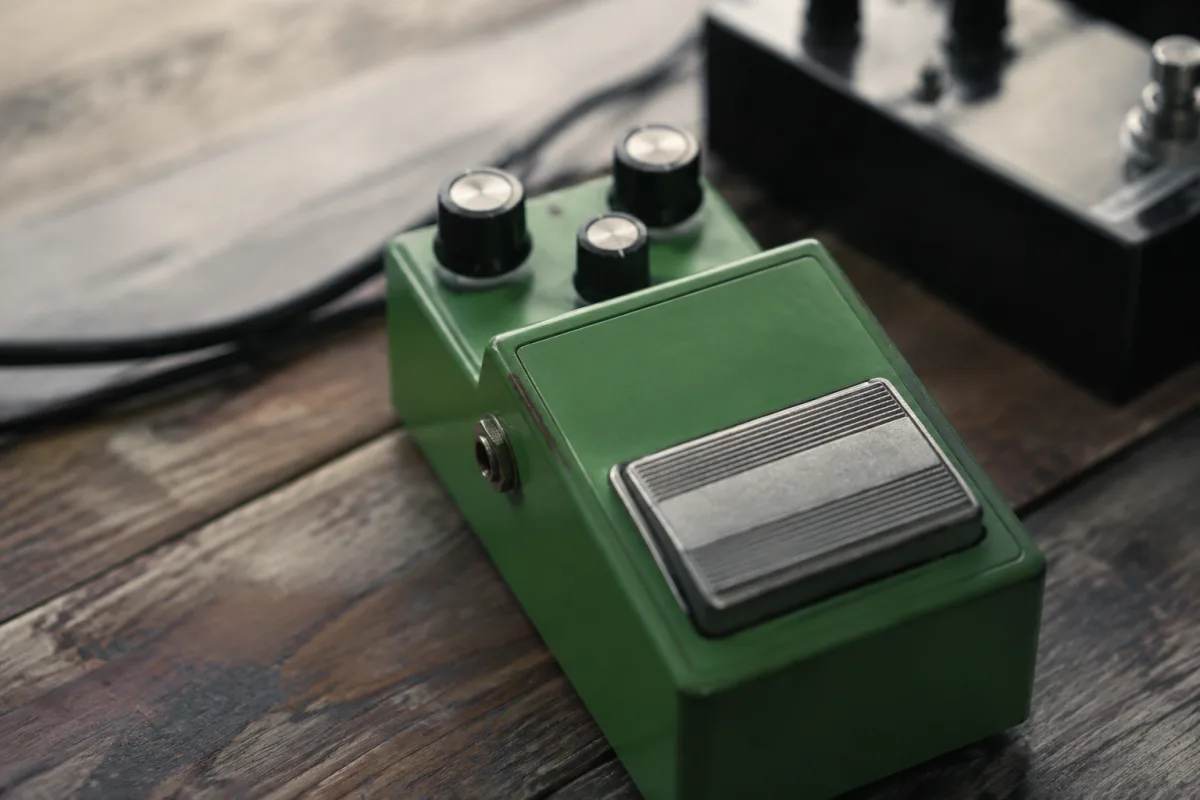
Starting to explore guitar effects can feel overwhelming, but an Ibanez pedal offers beginners an accessible entry point into tone-shaping without requiring expensive investment or complex technical knowledge. If you're learning guitar and wondering whether you even need effects pedals, whether an Ibanez pedal is worth the cost, or how to use one practically, this guide addresses those beginner concerns directly. Ibanez pedals have earned respect from guitarists at all levels, from absolute beginners exploring effects for the first time through professional recording artists. This guide focuses entirely on helping nervous first-time effects users understand why an Ibanez pedal matters, how to set one up, learning your first effects techniques, and building confidence with effects processing without feeling overwhelmed.
Why Beginners Should Consider an Ibanez Pedal
Many beginner guitarists assume effects pedals belong only to advanced players, but an Ibanez pedal proves otherwise. Starting with effects early develops your tone sense and expands the sounds possible from your existing guitar and amplifier. An Ibanez pedal doesn't need to cost a fortune; many quality Ibanez pedals suited for beginners cost £40-80, making tone exploration affordable. The confidence boost from hearing your guitar produce new textures inspires continued practice and musical experimentation. Ibanez pedals specifically excel for beginners because they deliver impressive sound transformations without requiring deep technical understanding.
From a musical perspective, an Ibanez pedal opens up new genres and playing styles immediately. Distortion-focused Ibanez pedals enable rock and metal playing; delay-based Ibanez pedals suit ambient exploration. Many beginner guitarists discover that adding an Ibanez pedal to their setup shifts their musical direction positively. Rather than waiting until you're experienced, an Ibanez pedal invites creative experimentation right now in your learning journey.
Understanding Basic Ibanez Pedal Types and Effects
Ibanez pedals span several effect categories, each transforming your guitar tone distinctly. Distortion Ibanez pedals add aggressive grit and sustain, perfect for rock and metal. Overdrive Ibanez pedals produce warm, driven tones whilst maintaining clarity. Modulation effects on Ibanez pedals create swirling, textured sounds through chorus, flanger, or phaser effects. Delay Ibanez pedals repeat your notes with decreasing volume, creating spacious, ambient effects. Reverb Ibanez pedals add room or hall ambience. Beginning guitarists typically start with either distortion/overdrive Ibanez pedals or delay effects. Research which Ibanez pedal type matches your preferred musical style before purchasing.
Each Ibanez pedal category serves fundamentally different purposes. A distortion Ibanez pedal won't replicate ambient delay textures; a delay Ibanez pedal won't produce heavy rock tone. Clarifying which effect type resonates with your musical goals prevents purchasing an Ibanez pedal that technically works but doesn't inspire your playing. YouTube demo videos showing the same Ibanez pedal applied across different genres help identify whether a particular Ibanez pedal matches your interests.
Setting Up and Operating Your First Ibanez Pedal
Basic Ibanez pedal setup requires minimal equipment. Connect your guitar to your Ibanez pedal's input jack using a standard guitar cable. Connect your Ibanez pedal's output to your amplifier's input. Plug your Ibanez pedal into power—most Ibanez pedals accept standard 9-volt adapters, though some require batteries. Turn everything on, ensuring your Ibanez pedal's power indicator illuminates. Many beginner Ibanez pedal users worry about causing damage; standard guitar-level signals are safe, and Ibanez pedals incorporate protection circuitry preventing problems from mistakes.
Operating your Ibanez pedal requires understanding three controls appearing on most Ibanez pedals. The footswitch engages/disengages the effect—step on it and your tone changes instantly. The level/volume knob controls output volume; many beginners boost this too aggressively, creating unbalanced tone. Your Ibanez pedal's tone or character knob shapes the effect intensity. Start with conservative settings on your Ibanez pedal; you can always increase intensity once you understand how to use the effect. Experimenting with each Ibanez pedal control helps you develop intuition for manipulating tone.
Learning Your Ibanez Pedal Through Practical Experimentation
The best way to master an Ibanez pedal involves playful experimentation. Switch your Ibanez pedal on and off repeatedly, listening to how it transforms your tone. Play simple chords through your Ibanez pedal, adjusting controls slowly to hear how each tweak affects tone. Record yourself playing through your Ibanez pedal in different settings; comparing the results reveals which configurations inspire you most. Many beginner Ibanez pedal users report that initial frustration transforms to delight once they discover their preferred Ibanez pedal sound. Your Ibanez pedal won't break from experimental adjustments, so embrace creative exploration.
Your Ibanez pedal's true value emerges once you understand its character through extended use. Some guitarists prefer subtle Ibanez pedal effects; others embrace extreme settings. Neither approach is superior—your preferences determine which Ibanez pedal sound character speaks to your musical identity. Spend a week playing exclusively through your Ibanez pedal before deciding whether you enjoy this particular effect type. Your initial impression often changes as you become familiar with your Ibanez pedal's possibilities.
Common Ibanez Pedal Beginner Mistakes and Misconceptions
Several mistakes appear repeatedly with beginner Ibanez pedal users. Boosting your Ibanez pedal's volume excessively creates unbalanced tone—match your Ibanez pedal's output level to your amplifier's input for balanced volume. Cranking all controls to maximum settings rarely produces satisfying results; subtlety often delivers more inspiring Ibanez pedal tones. Some beginners assume effects pedals fix poor technique or bad tone—an Ibanez pedal shapes existing tone but doesn't replace fundamental skills. Purchasing an Ibanez pedal before understanding your clean guitar tone sometimes leads to dissatisfaction because you can't distinguish between improvements from the Ibanez pedal versus tone problems from your technique.
Don't assume one Ibanez pedal must serve all your musical purposes. Specialised Ibanez pedals perform their intended effect superbly; expecting versatility from a single Ibanez pedal leads to compromise. Many beginners discover they want multiple Ibanez pedals eventually, each handling different effects. Start with one Ibanez pedal, master it thoroughly, then consider expanding if you genuinely need additional effects.
Building Confidence and Expanding Your Ibanez Pedal Skills
Your Ibanez pedal confidence grows through consistent experimentation and practice. Record simple songs through different Ibanez pedal settings, documenting your favourite configurations. Share recordings with experienced guitarists for feedback on your Ibanez pedal selections. Many guitarists enjoy discussing effects; experienced players can suggest Ibanez pedal adjustments that enhance your tone. Online guitar communities welcome beginner questions about Ibanez pedal usage and settings. Don't hesitate asking for advice—Ibanez pedal knowledge transfers naturally across player skill levels.
Challenge yourself creatively with your Ibanez pedal. Learn songs by artists known for distinctive effects tone. Attempt creating original textures by discovering unusual Ibanez pedal settings. Your Ibanez pedal becomes increasingly rewarding as your intuition for tone shaping develops. Within weeks, operating your Ibanez pedal feels natural and intuitive rather than confusing.
Your Ibanez pedal journey begins with curiosity and playful experimentation rather than technical mastery. Effects processing feels intimidating initially, but Ibanez pedals make learning accessible and inspiring. Embrace creative exploration, celebrate discovering sounds you love, and remember that effects skill develops naturally through consistent use. As your effects knowledge expands, explore the complete guide to Ibanez pedals to deepen your understanding of this versatile tool's full potential.


Comments