


Ibanez Pedal Buying guide
Ibanez Pedal: A Complete Buyer's Guide
Ibanez pedals are legendary, starting with the iconic Tube Screamer. This guide helps you navigate the lineup and choose the pedal that fits your tone and budget.
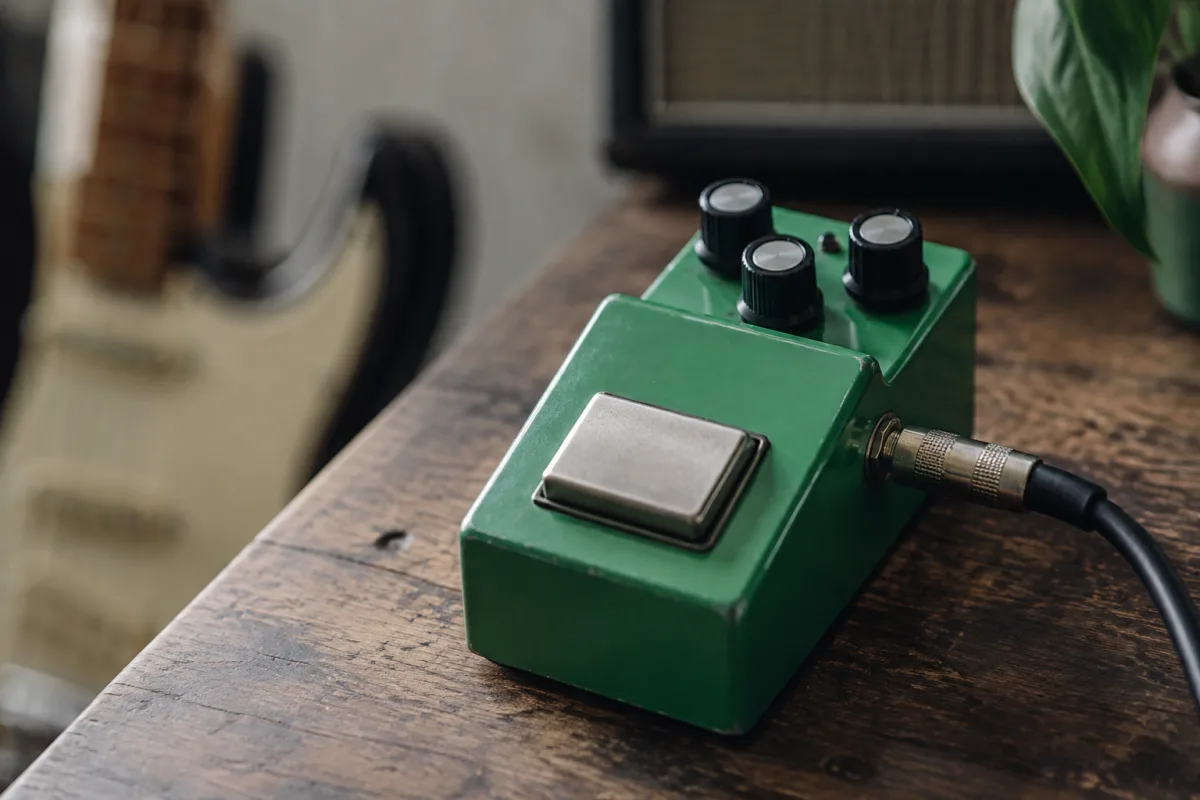
Ibanez pedals carry a reputation born from one iconic effect: the Tube Screamer, a legendary overdrive that's been the gold standard for 40 years. But Ibanez makes far more than Tube Screamers — they produce reverbs, delays, loop pedals, multi-effects units, and a full range of effects. If you're shopping for an Ibanez pedal, knowing what separates a classic from a gimmick, and which models fit which budgets, is crucial to making a smart choice.
Understanding the Ibanez Pedal Lineup
Ibanez divides its pedals into several categories. Their flagship series includes iconic models and professional-level effects (£80–200+). The Tone-Lok series offers affordable, no-frills pedals (£40–100). Limited-edition artist signature models command premium prices. Entry-level compact pedals (£20–60) are budget-friendly introductions to effects.
The core distinction isn't between "good" and "bad" — most Ibanez pedals are competent. It's between "essential" and "nice-to-have," and between sound quality tiers across price ranges.
The Tube Screamer: The Foundation
The original Ibanez Tube Screamer (TS9 or TS9B, ~£120–180) is the gold standard for pushing tube amps into natural breakup. Warm, musical, and responsive to pick dynamics, it's been the choice of countless professionals for decades. If you're buying your first overdrive and you gig or play vintage-voiced rock, a Tube Screamer is a safe, proven choice.
Budget versions exist: the TS Mini (smaller, ~£80) and the Tone-Lok TS-style overdrive (~£50). They approximate the tone but lack the refinement of the full-size TS9. A genuine Tube Screamer is worth the premium if tone is your priority.
The TS-9DX and newer iterations add versatility (switchable modes, EQ options) but cost more (~£180–220). Choose based on whether you need that flexibility or prefer a simple, single-purpose pedal.
Other Classic Ibanez Pedals Worth Considering
Ibanez Tube Screamer Mini (TS Mini): Compact, affordable (~£80), 80% of the tone of a full TS9. Ideal if space or budget is tight.
Ibanez Echo Delay (Echo): Classic tape-echo simulation. Warm, lush, ~£100–150. Excellent for ambient and classic rock tones.
Ibanez Flanger (FL9): Sweeping modulation effect. Iconic sound, well-regarded (~£100–150). More niche than overdrive, but transformative if used right.
Ibanez Loop Station (RC series): Compact looping recorder. Popular with buskers and solo performers (~£100–300 depending on model). Lets you layer multiple takes and play over yourself.
Tone-Lok series (£40–80): Affordable, basic effects. Workable for experimentation; don't expect boutique tone.
What to Check Before Buying an Ibanez Pedal
First, identify your goal. Are you chasing the Tube Screamer tone? Looking for a reverb or delay? Building a pedalboard? Different Ibanez pedals excel in different roles.
Consider size and power. Compact models (Mini series) use batteries or USB power; full-size units need a dedicated power supply. If you're traveling, smaller is attractive. If you're building a fixed pedalboard, size is less critical.
Check the true bypass status. Modern Ibanez pedals include true bypass (your tone is unaffected when the pedal is off). Older used models might not, so ask or test before purchasing.
Listen to demos online. YouTube is full of Ibanez pedal demos. Hear the sound for yourself; specifications don't tell the full story.
Price Tiers and Value Assessment
Budget tier (£20–60): Entry-level compact pedals, Tone-Lok series, TS Mini alternatives. Expect usable tone; sound is adequate but not inspiring. Good for learning which effects suit you.
Mid-range (£80–150): Genuine Tube Screamers, Echo, Flanger, and quality Ibanez originals. Real tone, professional reliability, good value. Best choice for most players.
Premium (£150+): Signature models, advanced multi-effects units like the AmpLion series, and boutique variants. Overkill unless you're gigging or have very specific tone needs.
Common Pitfalls When Buying
The biggest mistake is buying a "cheap Tube Screamer" (TS-style knockoffs from no-name brands) and expecting the real tone. Genuine Ibanez pedals cost more but sound like it. The TS Mini is a legitimate budget option; random £30 clones are not.
Another pitfall: assuming all Ibanez pedals fit your style. A Tube Screamer is essential for tube-amp blues and classic rock. For metal or electronic styles, it might not be the right effect at all. Think about your actual playing before committing.
Don't overlook used options. Ibanez pedals hold value well, and used models often cost 40–60% less than new. If you're buying from a reputable seller and the pedal works, used is smart economics.
Pairing Ibanez Pedals With Your Gear
A Tube Screamer pairs beautifully with a tube amp set to breakup — it pushes the amp into natural crunch without overpowering it. With a solid-state amp, it'll add edge but less magic. Know what amp you're playing through.
Stack Ibanez pedals sensibly. A TS9 into an Echo into a Flanger is lush and creative. A TS9 into three distortions is likely overkill and muddy. Build your pedalboard thoughtfully.
Use proper power supplies if you're running multiple Ibanez pedals. Daisy-chaining batteries gets expensive; a dedicated power supply (~£40–100) is a one-time investment that's worth it.
New vs. Used Ibanez Pedals
New Ibanez pedals come with a warranty and are guaranteed to be functional. Used pedals cost less but come with no guarantee. Inspect carefully — test all switches, check for cracks in the enclosure, and ensure the footswitch responds.
Vintage Ibanez pedals (1990s–early 2000s) sometimes command premiums, especially original TS9s. However, sound is identical to modern versions; you're paying for rarity, not quality. Don't overspend chasing vintage status.
Setting Up Your First Ibanez Pedal
If it's a Tube Screamer, start with drive at minimum and gradually turn it up as you play. Find the sweet spot where it adds character without overwhelming. Adjust the tone control to your preference — lower for darkness, higher for brightness.
Place it early in your effects chain (right after your guitar, before reverb or delay). This lets the overdrive respond naturally to your pick dynamics.
Final Thoughts: Is an Ibanez Pedal Right for You?
If you play rock, blues, or any style that benefits from vintage-voiced overdrive or classic effects, an Ibanez pedal is a proven choice. The Tube Screamer is iconic for a reason.
For electronic, metal, or experimental styles, an Ibanez pedal might not be your first priority. Explore options in your genre before committing.
To dive deeper into the full Ibanez pedal range and understand how to build a board around their effects, read our complete guide to Ibanez pedals. It covers everything from the iconic Tube Screamer to lesser-known gems.
Choose an Ibanez pedal that fits your style and budget. The brand's reputation is built on quality; you'll be in good company.



Comments