


Sustain Guitar Pedal article
The Complete Guide to Sustain Guitar Pedal
A sustain guitar pedal extends your note decay, enabling soaring leads and powerful tones. Learn how sustain pedals work, which type suits your style, and how to set them up for maximum musical impact.
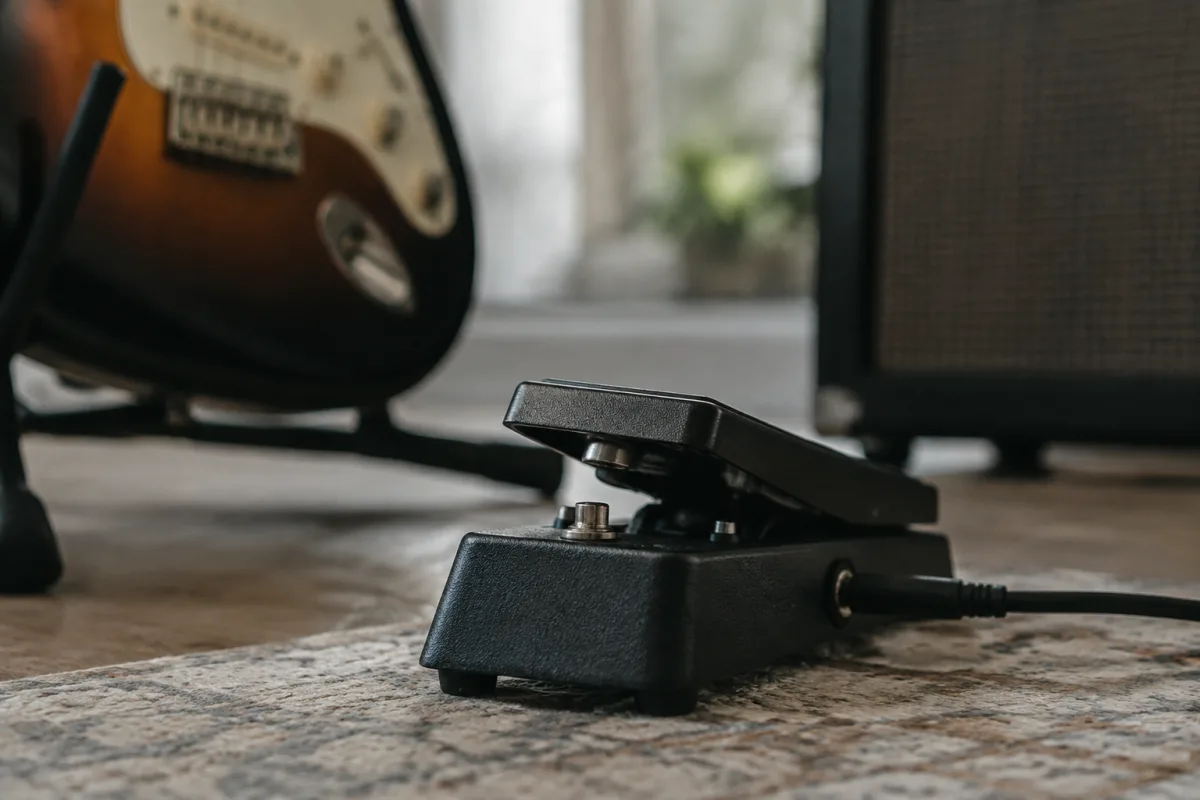
A sustain guitar pedal extends the natural decay of your notes, allowing single notes and chords to ring indefinitely rather than fading into silence. This simple yet profound effect has defined the sound of lead guitar across rock, blues, metal, and experimental music for decades. From subtle enhancement to dramatic transformation, a sustain guitar pedal remains one of the most essential effects in the modern guitarist's arsenal. Whether you're seeking to add warmth and thickness to your tone or achieve the soaring, singing leads that define arena rock, understanding how sustain guitar pedals work and selecting the right one for your music is fundamental to developing your personal tone and musical voice.
What a Sustain Guitar Pedal Does
A sustain guitar pedal works by boosting the gain of your signal over time, preventing your notes from falling below a certain volume threshold. Essentially, as your note naturally decays (grows quieter), the pedal's circuit amplifies it, maintaining perceived volume. This creates the illusion of endless sustain — your note continues at full volume rather than fading away.
Different sustain guitar pedal designs approach this task in various ways. Compressor-based sustain pedals gently compress your signal, evening out dynamics and extending note length. Overdrive and distortion-based sustain pedals push your signal harder, adding gain and intensity whilst extending sustain. Some sustain guitar pedals use sophisticated algorithms that analyse your playing and apply gain dynamically, responding to your technique and touch.
The effect is remarkably musical. A well-dialled sustain guitar pedal adds body and presence to clean tones, transforms rock tones into dense, powerful walls of sound, and transforms lead work into singing, soaring lines that seem to float above your band's rhythm section.
Types of Sustain Guitar Pedals
Understanding the main categories of sustain guitar pedals helps identify which approach suits your playing style and musical goals.
- Compressor-based Sustain — These gentle sustain guitar pedals boost quiet signals whilst controlling loud signals, evening out dynamics. Perfect for clean tones and jazz playing, they add subtle sustain and polish without colouration. Compressor-based designs sound most transparent and natural.
- Overdrive Sustain Pedals — Combining gain with sustain characteristics, these pedals add crunch and aggression whilst extending note length. Rock and blues players favour overdrive sustain guitar pedals for their musical tone-shaping capabilities.
- Distortion Sustain Pedals — Maximum aggression and sustain combined, distortion-based sustain guitar pedals deliver heavy metal and extreme rock tones with seemingly infinite sustain. Lead players achieving sustained high-register screaming notes favour these designs.
- Sustainer Pedals — Dedicated sustain guitar pedals focusing purely on sustain without adding gain or colouration. These specialised units maintain your original tone whilst dramatically extending sustain, ideal for players valuing transparency.
- Fuzz-based Sustain — Vintage sustain guitar pedal designs that combine fuzz tone with sustain characteristics. These pedals deliver the classic sounds of 1960s and '70s rock heroes, producing thick, fat sustain with distinctive personality.
Essential Sustain Guitar Pedal Controls
Most sustain guitar pedals feature core controls determining how the effect responds to your playing. A "sustain" or "decay" control adjusts how long your notes remain at full volume before finally fading. Higher settings extend sustain dramatically; lower settings provide subtle enhancement. Finding your sweet spot requires experimentation based on your playing context and musical style.
An "output level" or "volume" knob controls how loudly the effect processes your signal. This matters enormously — inadequate output prevents the sustain guitar pedal from having proper impact, whilst excessive output overwhelms your tone. Most players dial output until the effect balances with their bypassed tone.
Tone or EQ controls available on many sustain guitar pedals shape the character of the sustained effect. Brightening the tone adds presence and clarity; darkening it creates warmth and body. These controls transform how the sustain guitar pedal integrates with your amp and tone chain.
Some advanced sustain guitar pedals include threshold controls determining at what volume level the effect activates, sensitivity controls adjusting how responsively the pedal reacts to your playing dynamics, and gate controls preventing the effect from activating on quiet passages.
Sustain Guitar Pedals for Different Playing Styles
Clean and jazz players often favour subtle compressor-based sustain guitar pedals that add body and presence without obvious colouration. These transparent designs work beautifully in jazz contexts where tone purity matters, and they enhance fingerstyle playing by evening out dynamic inconsistencies.
Blues and classic rock players traditionally embrace overdrive-based sustain guitar pedals that combine mild gain and slight dirt with extended sustain. These designs add warmth and thickness whilst maintaining musical control and tonal clarity.
Modern rock and alternative players often use distortion-based sustain guitar pedals providing heavier gain and maximum sustain. These pedals excel in high-gain contexts where they reinforce your distortion tone and extend sustain dramatically.
Metal and extreme music players gravitate toward maximum-sustain designs — whether distortion-based pedals, fuzz units, or dedicated sustainers. These instruments enable the soaring, singing lead work and dramatic dynamics that define modern heavy music.
Sustain Guitar Pedal Placement in Your Signal Chain
Placement significantly affects how your sustain guitar pedal integrates with your overall tone. Most players place sustain pedals early in their signal chain — immediately after their guitar and tuner, before modulation effects like chorus or delay. This positioning allows the sustain effect to shape your basic tone before other effects process it.
Some players place sustain pedals after distortion or overdrive effects, allowing the sustain to work on top of their driven tone. This approach creates maximum sustain but can feel less interactive, as the sustain applies uniformly regardless of your playing dynamics.
Experimentation with pedal placement reveals what works best for your particular pedal and musical style. Try different positions in your chain and listen carefully to how tone and feel change. Your perfect sustain guitar pedal position may differ from conventional wisdom based on your specific equipment and preferences.
Recommended Sustain Guitar Pedals
The Boss CS-3 Compression Sustainer remains the industry standard for transparent, musical sustain. This legendary sustain guitar pedal combines subtle gain reduction with elegant sustain enhancement, beloved by professionals and amateurs alike for its transparency and dependability.
The MXR Carbon Copy Mini offers compact sustain in a space-efficient package. This sustain guitar pedal focuses on compression-based sustain with warm, musical character that complements both clean and driven tones beautifully.
For players seeking dedicated sustain without compression colouration, the Electro-Harmonix Sustain Pedal provides pure sustain enhancement at entry-level pricing. This sustain guitar pedal suits experimental players exploring sustain characteristics.
Overdrive lovers appreciate the Boss OD-3 Overdrive, which combines subtle gain staging with controlled sustain. This sustain guitar pedal works beautifully for blues and classic rock applications, adding body without excessive aggression.
Heavy music players often turn to distortion-based sustain guitar pedals like the Boss DS-1 Distortion or MXR Distortion+, which combine maximum gain with impressive sustain capabilities.
Using Your Sustain Guitar Pedal Musically
Subtle sustain enhancement often outperforms maximum settings. A sustain guitar pedal dialled in conservatively adds presence and body without creating obvious, artificial sustain that betrays the effect. Let your notes breathe — extended sustain sounds musical only when it complements your playing rather than dominating it.
Dynamic control remains crucial. A sustain guitar pedal works best when you vary your picking attack and dynamics, using the effect to enhance your technique rather than replace it. Soft picking produces soft notes that sustain; hard picking produces powerful notes. This interactivity keeps playing feeling musical and responsive.
Lead work benefits tremendously from sustain enhancement. A well-dialled sustain guitar pedal transforms short, choppy lead lines into smooth, singing passages. Bend notes ring longer; high-register melodies soar above your band; soloing feels more powerful and authoritative.
Sustain Guitar Pedal Settings and Tone Shaping
Start your sustain guitar pedal settings conservatively — dial sustain around 50% and output near unity gain. Play various passages: clean chords, lead lines, bends, and rhythmic work. Listen carefully to how the effect colours your tone and changes your playing feel.
Gradually increase sustain if you want more — but stop before sustain becomes obviously artificial. The best sustain guitar pedal settings feel transparent and musical, enhancing your playing rather than announcing themselves obviously.
Use tone controls to integrate your sustain guitar pedal with your amp's tone stack. If your amp sounds dark, brightening the pedal balances things. If your amp is bright, slightly darkening the pedal creates warmth and body.
Sustain Guitar Pedal Maintenance and Longevity
Quality sustain guitar pedals remain reliable through years of use with minimal maintenance. Occasional footswitch cleaning prevents squeaks and crackles. Keeping your pedal away from excessive moisture protects internal circuitry. A quality pedalboard gives your sustain guitar pedal protection during transport and performance.
Professional-grade sustain guitar pedals last decades when treated respectfully. The investment in a quality pedal — whether Boss, MXR, or boutique designs — pays dividends through reliable performance and consistent tone-shaping capabilities that grow with your playing skills.
Your Sustain Guitar Pedal Journey
Whether you're exploring sustain enhancement for the first time or seeking to upgrade from an old pedal, finding the right sustain guitar pedal transforms your musical possibilities. Start with transparent designs if you value tone purity; explore coloured designs if you seek tone-shaping opportunities. Most importantly, choose a sustain guitar pedal you'll actually use — one that inspires you to play, encourages exploration, and becomes an extension of your musical voice.



Comments