


Sustain Guitar Pedal Buying guide
Sustain Guitar Pedal: A Complete Buyer's Guide
Shopping for a sustain pedal? This guide explains compression vs distortion sustain, what specs matter, and how to choose between budget and premium options.
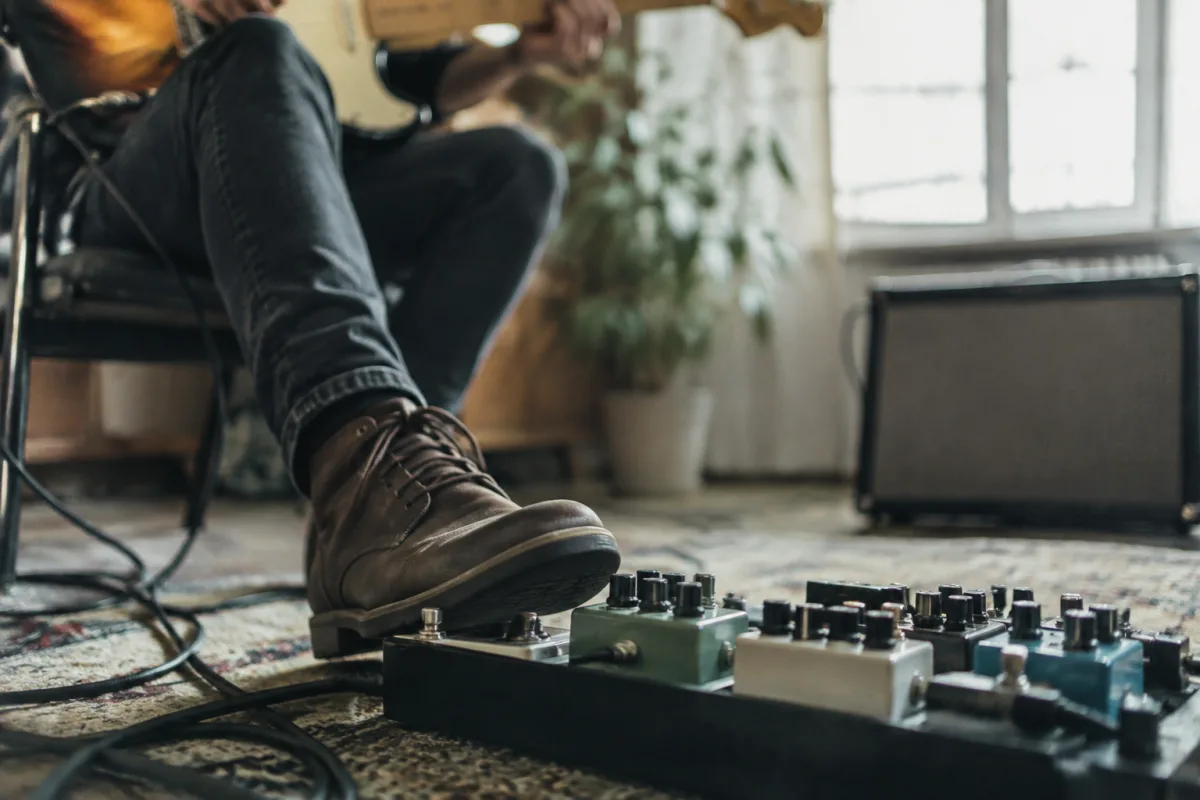
Considering a sustain pedal for your pedalboard? You're looking at one of guitar's most effective yet misunderstood tools. The gap between a good sustain pedal and a poor one is enormous—a quality sustain can completely transform your playing's expressiveness and range, while a cheap one creates artificial noise and unmusical tone. This buying guide helps you understand what actually matters and avoid common mistakes.
What Sustain Pedals Really Do
A sustain pedal extends how long your guitar notes ring out. That's the basic function. Here's why it matters musically:
Natural guitar sustain is limited—notes decay naturally. A sustain pedal keeps notes ringing longer, giving you more time to develop expression. Notes can swell dynamically. You can hit a note, step on sustain, and gradually increase the volume for dramatic effect. You can layer notes that would otherwise decay before you complete a melodic phrase.
The distinction between sustain types fundamentally affects what you can do:
- Compression-based sustain: Increases volume of quiet signals, evening out dynamics. Natural-sounding, responds well to playing technique, works on any amp.
- Distortion-based sustain: Adds harmonic density and aggression, making notes bloom. More dramatic, changes tone colour, excellent for lead work.
- Noise gate sustain: Unusual, less common. Cuts noise while sustaining signal. Niche use case.
Most guitarists benefit from compression-based sustain. It's versatile, natural-sounding, and plays well with other pedals and amplifiers.
Key Specs to Compare When Shopping
Understand what matters:
- Sustain range/intensity: How much sustain does the pedal add? Wide range lets you dial in exactly what you need. Look for 0-infinite controls or at minimum 0-max, not just three fixed levels.
- Attack time: How quickly does sustain kick in? Fast attack responds immediately; slow attack creates swell effects. Some pedals offer control here; others don't.
- Input sensitivity: How well does the pedal respond to your playing dynamics? Higher sensitivity means lighter playing still triggers sustain. Lower sensitivity requires picking harder. Both approaches work; it's personal preference.
- Frequency response: Does the sustain affect all frequencies equally? Some pedals emphasise certain ranges. Check demos to hear if the tone changes.
- True bypass or not: Does it affect your tone when off? Most modern pedals handle this well, but verify if it matters for your signal chain.
- Power requirements: Nine-volt, USB, or batteries? Check compatibility with your setup.
The Sustain Pedal Market: Options and Price Ranges
Budget sustain pedals (£30-60): Work adequately. Often suffer from noticeable tone colour changes or artificial-sounding sustain. Good for experimentation; you'll outgrow them if you use sustain regularly.
Mid-range sustain pedals (£60-150): Where genuine quality starts. Compression-based sustain sounds natural. Tone preservation is good. These are reliable workhorse pedals many professionals use permanently. Excellent value territory.
Premium sustain pedals (£150-300+): Refined compression, excellent tone preservation, sophisticated controls. Not necessary for most players, but genuinely better if you're particular. Boutique makers like Boss and Electro-Harmonix produce excellent options here.
Common Buying Mistakes to Avoid
Learn from others' experience:
- Buying purely on price: Cheap sustain pedals sound cheap. The unnatural tone and noise floor are immediately noticeable. Spend at least in mid-range territory or expect disappointment.
- Assuming distortion-based sustain is universally better: It's different, not better. Compression sustain is more versatile and works with any playing style. Distortion sustain dramatically changes tone—brilliant for specific applications, limiting otherwise.
- Not testing before buying: Sustain is deeply personal. What sounds musical to one player sounds artificial to another. If possible, try before committing money.
- Ignoring how it interacts with other pedals: Sustain works best early in your signal chain (before overdrive or distortion). Placing it after distortion creates different effects—experiment, but understand where it belongs.
- Cranking sustain to maximum and leaving it there: Most of sustain's usefulness comes from dynamic control—varying how much you use it during a performance. Start moderate and adjust.
- Thinking sustain pedals are only for lead guitarists: Sustain works beautifully for rhythm playing, swelling chords, and ambient tones. Don't rule them out based on genre preconceptions.
Specific Recommendations by Use Case
If you want classic, natural sustain: Look for compression-based pedals from Boss, DOD, or Electro-Harmonix. These preserve your tone while extending sustain.
If you want dramatic, saturated sustain: Distortion-based sustain pedals from boutique makers. This is specialist territory; research specific models before buying.
If you're on a tight budget but want quality: Mid-range compression sustain pedals (£60-100) deliver excellent results. Avoid bottom-tier options; they'll disappoint.
If you're particular about tone preservation: Pay for premium compression sustain. Boutique builders charge more because their tone preservation is genuinely superior.
Understanding Sustain vs. Sustain Pedals
Worth noting: your amplifier contributes to sustain. A cranked tube amp sustains longer than a clean amp. A sustain pedal works with your amp, not against it. Pairing high-gain amps with sustain pedals creates dramatic effects. Pairing clean amps with sustain requires more pedal intensity. This isn't bad; it's just different.
Also: technique matters enormously. A sustain pedal amplifies what you already play. Clean technique sounds better with sustain; sloppy technique sounds more obviously sloppy with sustain. Don't expect a sustain pedal to fix poor playing—it'll just sustain the flaws longer.
The Buying Process: Step by Step
- Define your primary use: lead playing? Rhythm? Ambient tones? Swelling chords?
- Decide if compression-based or distortion-based sustain suits your style
- Watch demo videos of specific pedals—listen for tone preservation and naturalness
- Check specifications: sustain range, attack time, power requirements
- Read user reviews emphasising real-world reliability and unexpected behaviour
- If possible, try before buying (many music shops allow this)
- Budget £60-150 for quality; less risks disappointment, more shows diminishing returns
Final Buying Recommendation
Start with a mid-range compression-based sustain pedal from an established maker. Compression sustain is versatile, natural-sounding, and works with any playing style and amplifier. You'll use it for years. Once you own and use it regularly, explore the complete guide to sustain guitar pedals for advanced techniques and tone-shaping applications.



Comments