


Bass Guitar Pedal Tuner Buying guide
Bass Guitar Pedal Tuner: A Complete Buyer's Guide
A bass guitar pedal tuner is essential for reliable stage and studio tuning. This guide helps you navigate accuracy specifications, display options, and features for professional performance.
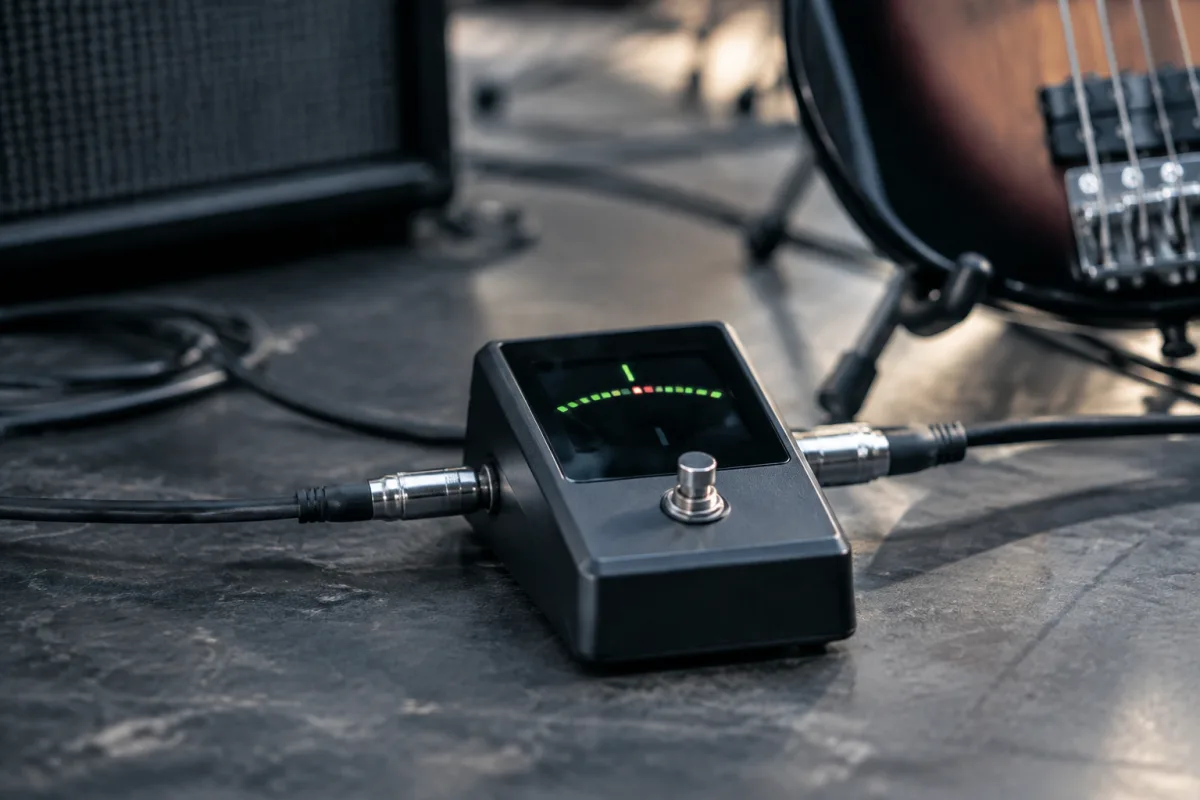
A bass guitar pedal tuner is an essential tool for any serious player, enabling quick, accurate tuning on stage or in the studio. Unlike clip-on tuners or smartphone apps, a pedal tuner sits permanently on your pedalboard, providing reliable tuning with visual feedback and silent tuning features. Choosing the right bass guitar pedal tuner requires understanding accuracy specifications, display types, power requirements, and feature sets that distinguish quality instruments from budget alternatives. This buyer's guide walks you through these considerations to help you select a tuner that reliably serves your playing needs.
Understanding Bass Guitar Pedal Tuner Accuracy
Tuning accuracy is the defining specification for any bass guitar pedal tuner. Most modern pedal tuners advertise accuracy within ±1 cents (1/100th of a semitone), which is inaudible and professionally acceptable. However, some budget models achieve only ±5 cents or worse, resulting in noticeably out-of-tune bass.
When shopping for a bass guitar pedal tuner, always verify stated accuracy specifications. Request that the retailer test accuracy claims with a quality tuning reference. If specifications aren't available or the retailer refuses verification, choose another brand. Accuracy is non-negotiable; a cheap bass guitar pedal tuner that tunes poorly defeats its fundamental purpose.
Display Types and Readability
Bass guitar pedal tuners use different display technologies, each with distinct advantages. Understanding these options helps you choose what works best for your playing environment:
- LED indicators: A series of lights show whether you're sharp, flat, or in-tune. Simple and reliable, though less precise than other options. Suitable for live performance.
- Needle-style displays: A moving needle indicates tuning deviation. Intuitive and familiar to experienced players. Requires looking away from stage during tuning.
- LCD screens: Digital numeric displays showing exact frequency and tuning deviation. Precise and clear, though potentially harder to read in bright sunlight.
- Hybrid displays: Combine LED indicators with numeric readout for flexibility. Premium bass guitar pedal tuners often offer this combination.
For stage use, LED or hybrid displays work best—you can tune using foot feel and peripheral vision. For recording studios, LCD accuracy matters more, as you have time to verify precise tuning.
Bass Guitar Pedal Tuner Chromatic vs. Polyphonic Functions
Most bass guitar pedal tuners operate chromatic mode, tuning one string at a time by listening to your plucked note and displaying its pitch. This works well for bass, requiring just 4–6 string checks.
Some premium pedal tuners offer polyphonic tuning, which detects all strings simultaneously. For bass, chromatic tuning is typically sufficient and cheaper. Save money here unless you plan to use the tuner for guitar as well.
Silent Tuning Feature
A crucial feature for live performance is silent tuning. This mutes your instrument signal when the bass guitar pedal tuner is engaged, allowing you to tune without the audience hearing tuning sounds. This feature is essential for professional gigging. Verify that any pedal tuner you consider includes this functionality.
Silent tuning works by placing the tuner in your signal chain—when engaged, it blocks audio to your amplifier. Budget tuners sometimes lack this feature or implement it poorly, making silent tuning unreliable. Premium pedal tuners excel at this, making tuning truly invisible to audiences.
True Bypass Considerations
When your bass guitar pedal tuner is off, it should have zero impact on your tone. True bypass accomplishes this by physically removing the tuner from your signal chain when disengaged. Buffered bypass (where the tuner remains in the signal chain but inactive) can subtly colour your tone.
For pedalboard use with multiple effects, true bypass on your bass guitar pedal tuner is preferable. It ensures your tone remains completely unchanged when the tuner is off. This feature costs slightly more but is worth the investment.
Power Supply and Integration
Most modern bass guitar pedal tuners accept either 9V batteries or standard pedal power supplies (typically 9V DC). Verify compatibility with your existing pedalboard power setup. Some premium tuners offer built-in rechargeable batteries or USB power options, adding convenience.
Check that your pedalboard power supply has adequate capacity for the tuner if you're planning integration. Most modern power supplies easily accommodate tuner current requirements, but verifying prevents late surprises.
Response Speed and Sensitivity
A quality bass guitar pedal tuner should respond within 100 milliseconds of you plucking a string. Slow response is frustrating during fast tuning. Sensitivity settings should allow you to adjust the input level without introducing noise or missing quiet notes.
Test response speed if possible. Pluck a string and observe how quickly the display updates. Sluggish tuners waste time during setup and slow live performance tuning.
Price Tiers and Value Assessment
Bass guitar pedal tuners span predictable price ranges:
- Budget (£30–£80): Basic functionality, LED display, adequate accuracy (±2–3 cents). Suitable for home use but risky for professional gigging.
- Mid-range (£80–£180): Good accuracy (±1 cent), improved display options, reliable silent tuning, true bypass. Best value for working musicians.
- Professional (£180–£300): Excellent accuracy, hybrid displays, premium build quality, advanced features. Touring musician standard.
- Premium/Specialty (£300+): Boutique brands, unique features, exceptional build quality. Investment purchases for demanding professionals.
The mid-range bracket (£100–£150) offers excellent value. A quality bass guitar pedal tuner at this price point serves professional performance reliably without excessive cost.
Build Quality and Durability
A bass guitar pedal tuner sits on your pedalboard, subjected to cable connections, stomping, and transportation. Quality construction matters:
- Housing material: Metal (typically aluminium) is superior to plastic. Plastic housings degrade with age and impact damage.
- Input/output jacks: Recessed connectors resist damage. Flimsy surface-mount jacks fail with repeated cable connections.
- Display durability: Glass or plastic screen coverings affect visibility but protect internals. Quality tuners protect displays adequately.
- LED/LCD lifespan: Budget display components degrade quickly. Premium tuners use durable display technology.
Common Purchasing Mistakes
Avoid these frequent errors when selecting a bass guitar pedal tuner:
- Choosing purely on price: A £40 budget tuner that tunes inaccurately wastes money and frustrates every practice session.
- Ignoring accuracy specifications: Ask specifically about accuracy ±cents. If specs aren't published, choose another brand.
- Overlooking silent tuning: A tuner without silent tuning feature is inappropriate for live performance.
- Assuming all display types are equal: Choose based on your intended use. Stage performance favours LED; studio work favours LCD.
- Neglecting true bypass: Buffered bypass can subtly colour tone in complex pedalboards. True bypass is preferable.
Feature Comparison: Essential vs. Nice-to-Have
When evaluating bass guitar pedal tuners, distinguish essential from optional features:
- Essential: Accurate tuning (±1 cent), silent tuning, true bypass, reliable display, durable construction.
- Nice-to-have: Polyphonic tuning, fast response times, variable brightness, battery indicator, rechargeable batteries.
Don't pay premium prices for nice-to-have features you won't use. A mid-range bass guitar pedal tuner with solid essential features outperforms a feature-laden budget model.
Testing Before Commitment
Before purchasing a bass guitar pedal tuner, request an audition with your own bass if possible. Play notes across your fingerboard and assess tuning accuracy. Test silent tuning functionality. Evaluate display clarity in various lighting conditions. A 15-minute trial reveals issues that specs alone cannot communicate.
For comprehensive exploration of bass tuning, tuner technology evolution, and advanced tuning strategies, read our complete guide to bass guitar pedal tuners, which covers technical details and professional player preferences in greater depth.
Making Your Selection
Choosing a bass guitar pedal tuner is investing in reliable tuning accuracy and performance confidence. Prioritise accuracy and true bypass over trendy features, verify silent tuning functionality, and choose quality construction that withstands touring rigours. A well-chosen bass guitar pedal tuner becomes an invisible but essential tool, keeping your instrument perfectly in tune through every performance.


Comments