


Guitar Amp Stands article
The Complete Guide to Guitar Amp Stands
Guitar amp stands elevate your amplifier's sound projection and stage presence. Discover why professional musicians use stands and how to select one.
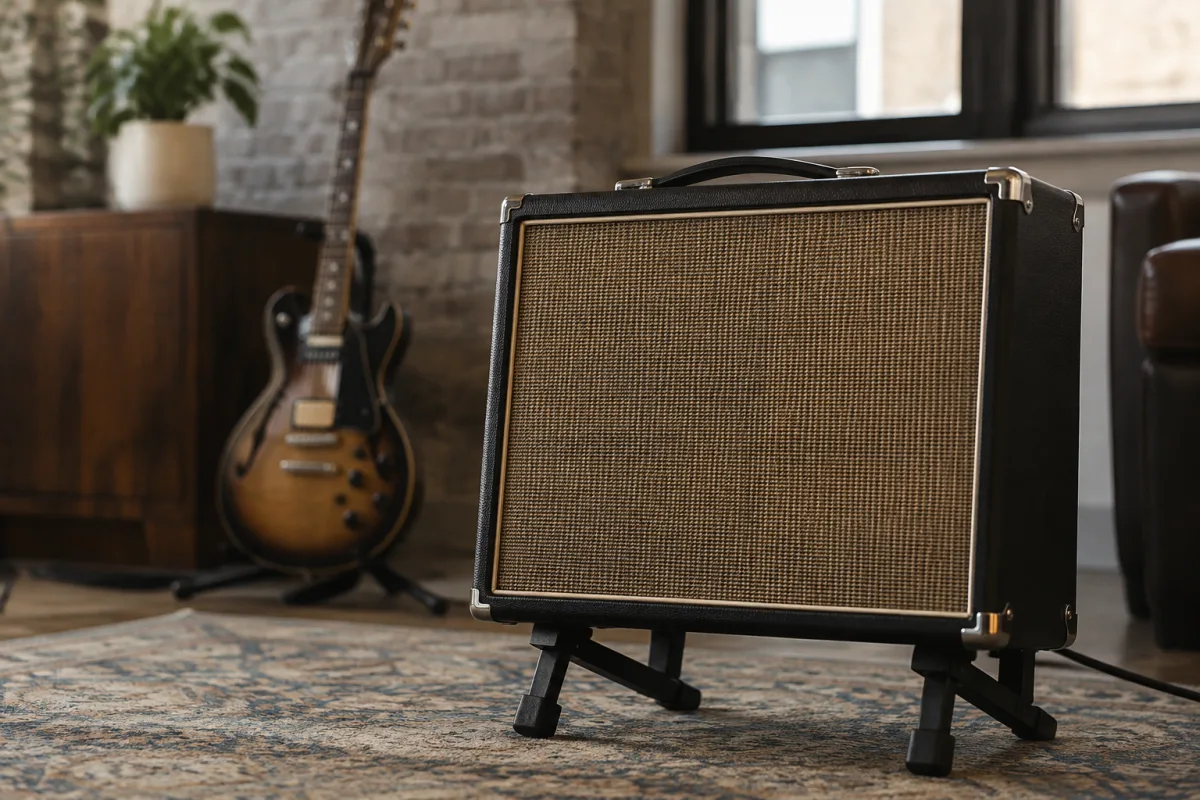
Guitar amp stands solve a fundamental problem for musicians: accessing your amplifier's controls during performance whilst keeping the speaker at ear level. A quality guitar amp stand transforms your sound projection, stage presence and tone control. This guide explores why musicians use amp stands, different types and how to choose the right equipment for your setup.
Why Use Guitar Amp Stands?
Placing an amplifier on the floor wastes its acoustic potential. Guitar amp stands elevate the speaker, directing sound toward the audience and the performer's ears instead of into the ground. A guitar amp stand improves audibility, projection and your ability to hear yourself during performance. Professional touring musicians rely on guitar amp stands for consistency and control across different venues.
How Guitar Amp Stands Work
Most guitar amp stands are simple metal or wooden structures supporting an amplifier at various heights. Some guitar amp stands angle the amplifier, directing sound toward performers or audiences. Others provide adjustable height, accommodating different amp sizes and stage configurations. The best guitar amp stand designs distribute weight evenly to prevent tipping.
Types of Stands
Basic Metal Stands
Simple welded steel guitar amp stands cost £30–£80 and accommodate most combo amplifiers. These basic designs prioritise function over aesthetics. A budget guitar amp stand works well for rehearsals and small venues but may lack stability for high-powered amps.
Professional Angle Stands
Angled guitar amp stands tilt the amplifier upward by 45–60 degrees, projecting sound toward the performer. This design significantly improves stage monitoring. Professional guitar amp stands with adjustable angles and height control cost £100–£300 and serve touring musicians and studio monitoring applications.
Isolation Platforms
Isolation platform-style guitar amp stands decouple the amplifier from the stage floor, reducing vibration transfer and improving tone clarity. These premium guitar amp stands (£200–£500) appeal to engineers prioritising acoustic purity and recording quality.
Choosing the Right Guitar Amp Stand
Consider your amplifier's weight—most guitar amp stands safely support 30–50 kg. Stability matters: ensure the stand won't tip if your amp is bumped. Adjustability: angle and height controls provide flexibility across venues. Portability: a lightweight guitar amp stand travels easier than heavy models. Budget: quality stands needn't be expensive, but cheap models sometimes feel unstable.
Benefits for Different Applications
Live Performance
A guitar amp stand becomes essential on stage, making your tone audible and giving the audience better sound projection. Professional musicians never perform without a guitar amp stand, regardless of venue size.
Studio Recording
Isolation platform-style guitar amp stands improve recording clarity by decoupling vibration. Studio engineers often use angled stands to angle the speaker toward microphones for optimal capture.
Practice Spaces
Even in rehearsal, a guitar amp stand improves how you hear yourself whilst playing, accelerating practice efficiency and tone refinement.
Alternatives and Considerations
Some musicians skip dedicated stands and place amps on chairs or shelves. Whilst functional, this lacks the stability and acoustic benefits of proper guitar amp stands. Professional musicians invest in stands because they transform both the acoustic experience and stage professionalism.
Conclusion
A quality guitar amp stand is one of the most cost-effective investments a guitarist can make, instantly improving tone projection, audibility and stage control. Whether rehearsing in a bedroom or performing internationally, a proper guitar amp stand should be as standard as your instrument and amplifier themselves.


Comments