


Guitar Amp Stands Buying guide
Guitar Amp Stands: A Complete Buyer's Guide
Proper guitar amp stands improve tone, protect your amp, and improve ergonomics. This buying guide shows you exactly what to check before purchasing.
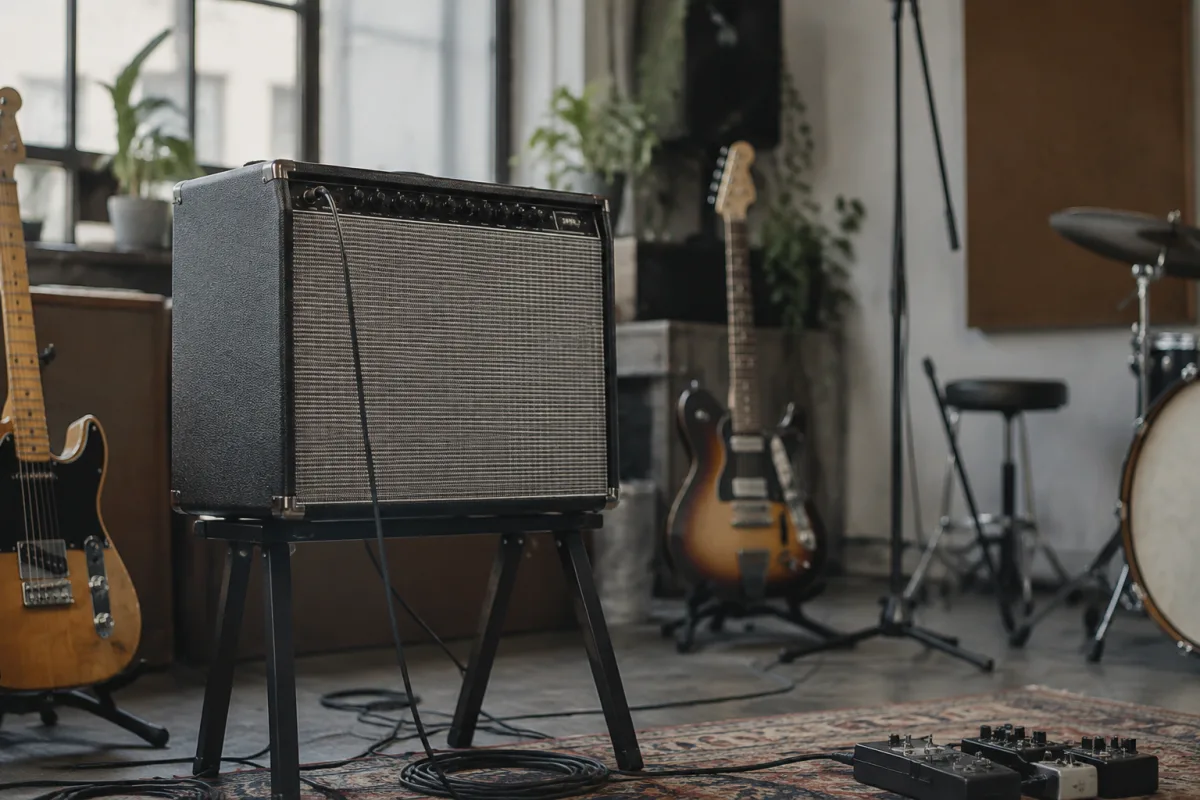
You've just bought your first guitar amplifier. Now you need a place to put it. Sitting your guitar amp stands on the floor works technically, but it's suboptimal. Proper guitar amp stands improve tone projection, protect your amp, and make positioning more flexible. But the guitar amp stands market offers bewildering choices. How high should guitar amp stands elevate your amp? What stability matters? This buying guide shows you exactly what to evaluate when choosing guitar amp stands.
Why Guitar Amp Stands Matter More Than You'd Think
Guitar amp stands aren't just furniture—they affect your sound. An amp sitting on the floor couples to floor vibrations, muddying your tone. Guitar amp stands lifting your amp off the ground improve clarity and air around your tone. This tone improvement justifies guitar amp stands investment regardless of budget.
Proper guitar amp stands also protect your amp. Lifting it off the floor prevents moisture, dust, and accidental spillage from damaging components. Over years of use, guitar amp stands investment saves expensive repair bills.
From a practical standpoint, guitar amp stands angle your amp toward your ears. This positioning improves your ability to hear what you're actually playing versus what the floor is vibrating.
Understanding Guitar Amp Stands Height Requirements
The ideal height for guitar amp stands places your amp's speaker at ear level when you're sitting or standing. Here's why this matters:
When your speaker is below ear level, you hear less high-frequency content. Tone sounds duller through guitar amp stands positioned too low. Conversely, guitar amp stands placing speakers above ear level make tone sound thin and strident.
Ideal guitar amp stands height: 0-45cm depending on amp size and your positioning. Small practice amps work well on guitar amp stands at 10-15cm. Larger combo amps need guitar amp stands at 30-45cm. Bass amp stands typically require even higher positioning for proper tone perception.
When shopping for guitar amp stands, confirm adjustability. Fixed-height guitar amp stands rarely work perfectly for all amp types and playing positions.
Guitar Amp Stands: Load Capacity Specifications
Every guitar amp stands model lists maximum weight capacity. Ignoring this spec leads to catastrophic failures. A collapsing guitar amp stands under your amp creates dangerous situations and damages expensive equipment.
Calculate your amp weight carefully. Include the amplifier alone, not cables or other accessories. Choose guitar amp stands rated for at least 150% of your amp's actual weight. This safety margin prevents overload scenarios.
Compact practice amps (2kg) suit lightweight guitar amp stands. Combo amps (20-30kg) require substantial guitar amp stands rated for 45-50kg+. Bass rigs (40kg+) demand heavy-duty guitar amp stands rated 60kg minimum.
Most failures with guitar amp stands happen when users underestimate amp weight or ignore specifications. Trust the numbers—guitar amp stands failure risks aren't worth budget savings.
Guitar Amp Stands Stability: What Actually Matters
A stable guitar amp stands base prevents tipping. Here's what provides genuine stability:
- Wide footprint: Guitar amp stands with legs spread wide resist tipping better than narrow designs. Width matters more than overall guitar amp stands height for stability.
- Heavy base: Weighted guitar amp stands bases provide ballast. Lighter guitar amp stands can work if footprint is sufficient, but weight adds security.
- Rubberised feet: Non-slip feet on guitar amp stands prevent sliding and protect flooring. Check whether your guitar amp stands include protective pads.
- Material quality: Steel guitar amp stands offer better rigidity than aluminum or plastic. Check material when evaluating guitar amp stands options.
- Bracing patterns: Internal bracing on guitar amp stands reinforces structure against racking and vibration transmission. Quality guitar amp stands show careful internal design.
Test guitar amp stands stability by pushing laterally. Good guitar amp stands resist swaying and flexing. Budget guitar amp stands wobble noticeably—a red flag for reliability.
Types of Guitar Amp Stands Available
Different guitar amp stands designs serve different needs:
- Angled stands: Most common guitar amp stands type. Tilt your amp toward your ears naturally. Range from simple single-arm designs (£15-30) to adjustable models (£50-150). Good all-around guitar amp stands choice for most players.
- Flat stands: Simple platform guitar amp stands providing height without angle. Minimal cost (£10-20). Useful for fixed positioning but less ergonomic than angled guitar amp stands.
- Adjustable guitar amp stands: Premium option allowing angle and height customisation. Cost £80-200. Professional musicians and touring players prefer adjustable guitar amp stands for flexibility.
- Isolation platforms: Specialised guitar amp stands using foam or springs to decouple amp vibration. High-end guitar amp stands (£100-500+). For extremely tone-focused players with budget available.
- Rolling stands: Guitar amp stands with wheels for mobility. Cost £50-150. Essential for gigging musicians who need guitar amp stands portability.
Most beginners find perfect guitar amp stands balance in angled designs at £30-60. These provide height, angle, and reasonable stability without excessive cost.
Evaluating Specific Guitar Amp Stands Models
When shopping for guitar amp stands, check these details:
- Load rating: Confirm guitar amp stands handle your specific amp weight. Double-check the spec sheet—don't estimate.
- Height adjustment range: Does your guitar amp stands offer sufficient vertical adjustment for your setup? Will it work with future amps?
- Angle adjustability: Can guitar amp stands angle change? Or is it fixed? Adjustable guitar amp stands offer more flexibility.
- Material inspection: Feel the guitar amp stands construction. Is it solid or flimsy? Steel guitar amp stands feel substantially heavier than aluminum alternatives.
- Foot protection: Do guitar amp stands include protective pads? Check bottom for non-slip materials.
- Cable management: Better guitar amp stands include cable clips keeping your connections organised.
- Portability: Does your guitar amp stands fold or break down for transport? This matters if you gig regularly.
These evaluations separate quality guitar amp stands from budget compromises.
Common Guitar Amp Stands Buying Mistakes
Watch for these pitfalls:
- Underestimating amp weight: Amps feel lighter in your hands than they actually are. Weigh your amp before selecting guitar amp stands load capacity.
- Choosing cheap guitar amp stands without checking stability: Budget guitar amp stands under £15 often wobble dangerously. Invest the extra £20-30 for solid guitar amp stands.
- Ignoring angle on guitar amp stands: Fixed-angle guitar amp stands sometimes misalign with your playing position. Adjustable guitar amp stands offer better long-term value.
- Assuming all guitar amp stands accept any amp: Larger combo amps sometimes don't fit properly on small guitar amp stands. Verify dimensions before purchasing.
- Choosing looks over function: A beautiful guitar amp stands that tips easily or doesn't position your amp correctly wastes money. Prioritise stability and proper elevation.
- Neglecting future needs: Buy guitar amp stands accommodating amps larger than what you currently own. You'll upgrade eventually.
Your Guitar Amp Stands Selection
Proper guitar amp stands represent a small investment with outsized impact. For £30-60, you get improved tone, amp protection, and ergonomic positioning. This investment pays dividends every time you play.
Choose angled guitar amp stands rated safely above your amp's weight. Verify stability by checking width and construction quality. Test your guitar amp stands with your amp before deciding.
Quality guitar amp stands fade into the background—you stop thinking about them and focus on playing. That's the mark of good design. Your guitar amp stands should simply work, improving your tone and setup without requiring attention.


Comments