


Earthquaker Devices article
Earthquaker Devices for Beginners: A Complete Guide
Earthquaker Devices makes excellent first effects pedals. Discover why beginner guitarists choose them, which models suit you, and how to start your effects journey.
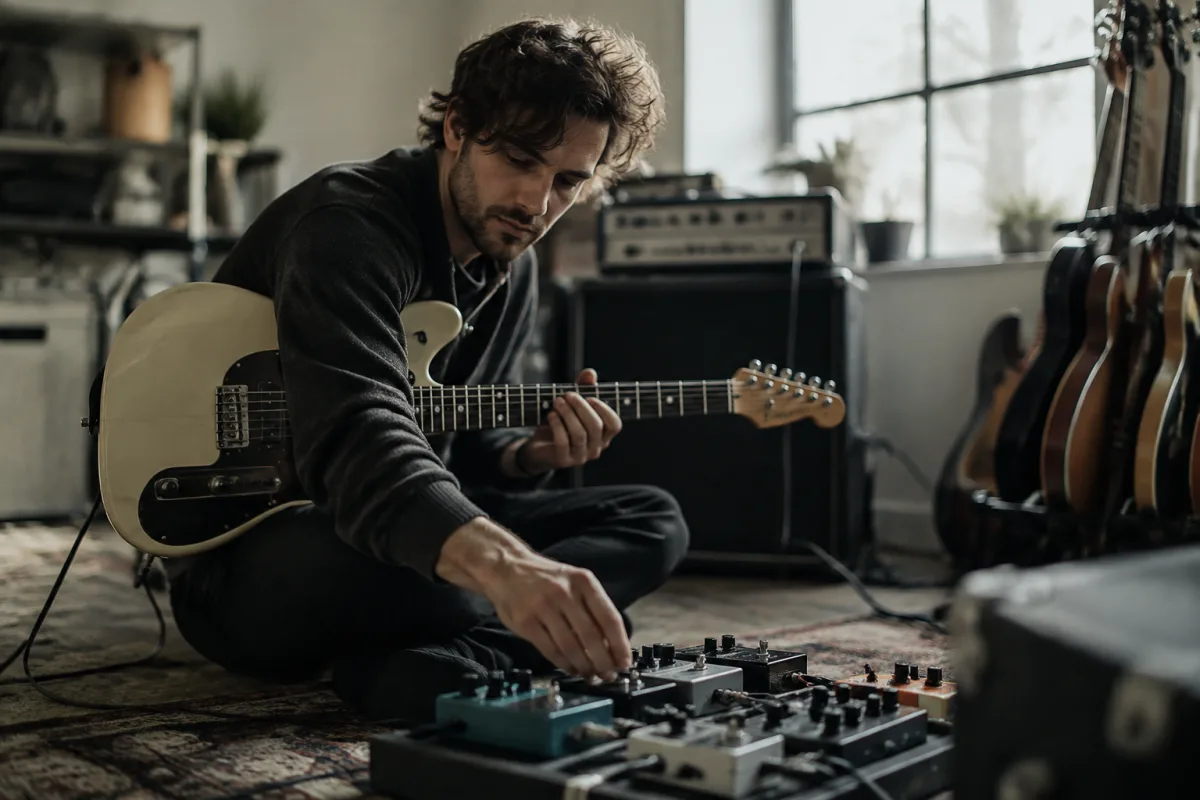
Getting started with effects pedals can feel overwhelming—you're suddenly confronted with dozens of knobs, confusing terminology, and an intimidating price landscape. Earthquaker Devices makes this journey considerably easier. The brand has built a reputation for creating effects that sound genuinely professional whilst remaining accessible to guitarists just discovering what effects can do. If you're a beginner contemplating your first effects pedal, understanding what Earthquaker offers helps you make a confident choice that won't leave you frustrated or financially overextended.
Why Earthquaker Devices Suits Beginners
Earthquaker Devices is a boutique effects pedal manufacturer based in America, known for meticulous engineering and exceptional sound quality across all their offerings. For beginners specifically, this matters considerably because their pedals remain relatively straightforward whilst delivering sonic results that inspire continued experimentation.
The brand's philosophy centres on building effects that genuinely change your tone in musically interesting ways. A common beginner frustration is buying a cheap multi-effects unit that has fifty options but none sound particularly inspiring—you get discouraged and stop exploring. Earthquaker's pedals avoid this trap. Even their entry-level options sound substantially better than you'd expect, which creates the positive feedback loop that keeps beginners engaged with their instruments.
Price-wise, Earthquaker Devices occupies an interesting middle ground. They're not boutique-expensive like some American handmade pedal builders, but they're not budget-priced either. A typical Earthquaker pedal costs £100–250, which is a genuine investment for a beginner but not so expensive that a mistake feels catastrophic. For most beginners, buying one Earthquaker pedal teaches more than buying three cheap alternatives.
Starting Simple: First Pedals for Beginners
Earthquaker's range includes several entry-friendly options that teach you fundamental effects concepts without overwhelming complexity. The Plumes, a gain/overdrive pedal, is arguably their most beginner-suitable offering. Overdrive is the most universally useful effect—it thickens your tone, adds presence, and is instantly musical. The Plumes has three knobs and sounds genuinely excellent, making it an ideal first pedal that teaches gain staging and how effects respond to your playing dynamics.
The Tone Reaper is another accessible choice for beginners interested in fuzz (a heavily distorted, aggressive sound). It's more visually intimidating than the Plumes, but operationally just as straightforward—turn up the volume, adjust the tone knob, and hear immediate results.
If you're interested in delays or spatial effects, the Avalanche Run is Earthquaker's most welcoming option. It's a reverb and delay combined, allowing you to create spacious, dreamy sounds. It has many knobs, but defaults sound genuinely inspiring even if you leave them untouched, which is reassuring for beginners who might feel lost with complex controls.
The Beginner's Effects Learning Path
Many beginners make the mistake of buying random pedals without understanding how they fit together musically. Earthquaker's range actually encourages a logical learning progression:
- Stage 1—Gain/Overdrive (months 1–3): Start with the Plumes or similar. Learn how gain shapes your tone, experiment with using it in different parts of songs, understand playing dynamics
- Stage 2—Spatial Effects (months 3–6): Add delay or reverb (like Avalanche Run). Understand how these create space and atmosphere, learn subtle application
- Stage 3—Specialisation (6+ months): Based on what inspired you, explore fuzz, modulation, or other tools. You'll now have intuition for what effects might suit your style
This progression prevents the overwhelm of buying five pedals simultaneously. Earthquaker's options work logically at each stage, teaching you how effects integrate into your playing.
Power and Practicalities for Beginners
When you first start with pedals, the technical side often confuses beginners more than the music. Earthquaker pedals run on standard 9V batteries or mains adaptors (sold separately). Most importantly for beginners: they're solidly built. You won't have to worry that you've damaged your pedal during normal playing or transportation. Earthquaker's construction quality means your first pedal likely lasts years of abuse without failing.
A common beginner mistake is connecting a pedal incorrectly or using the wrong power supply. Earthquaker's documentation is clear and beginner-friendly—follow it, and you'll have your pedal working within minutes. The learning curve with Earthquaker is genuinely gentle compared to brands that assume technical knowledge.
Regarding signal chain questions beginners often have: generally, gain effects (like Plumes) work best before spatial effects (like reverb). Earthquaker's website includes recommendations for each pedal, taking the guesswork out of setup decisions you don't yet have intuition for.
Common Beginner Worries About Earthquaker Pedals
"Will it be too complicated?" — No. Earthquaker prioritises usability. Even their more complex offerings default to inspirational sounds. Resist the urge to tweak every knob immediately; spend a week with the defaults and let your ear develop intuition before chasing subtleties.
"Will it break easily?" — Absolutely not. Earthquaker's build quality is professional-grade. You could gig with these pedals immediately; they're genuinely roadworthy despite the beginner-friendly approachability.
"Will it go out of fashion?" — Earthquaker effects become classics. Models stay in production for years. If you later move into different genres or amplifier types, Earthquaker pedals have strong resale value because experienced guitarists actively seek them. Your first Earthquaker likely has a life well beyond your beginner phase.
"Is the price worth it?" — For learning effects properly, yes. A £150 Earthquaker pedal teaches you more than a £50 multi-effects unit because the sound quality creates genuine motivation. That motivation matters more than the cost difference.
The Beginner's Practical Setup
Your first Earthquaker pedal works best as a single element in a simple chain: guitar → pedal → amplifier. You don't need an expensive pedalboard, cable organisation system, or multiple pedals. One pedal, quality cables (essential but inexpensive), and your existing amplifier are genuinely all you need. This simplicity means you can focus on learning what the pedal does rather than managing complex setups.
As you add more pedals over months, you'll naturally develop preferences about arrangement and workflow. Earthquaker's forum community includes many beginners sharing setups—you'll find endless inspiration without pressure to overcomplicate things immediately.
Moving Beyond Beginner Status
Here's the brilliant part about starting with Earthquaker: you don't necessarily outgrow these pedals. Many intermediate and advanced players keep their first Earthquaker pedals indefinitely because the sound quality remains impressive. Unlike beginner guitar purchases that you might replace as you progress, a quality Earthquaker pedal becomes a reliable tool you'll likely use long-term.
This is fundamentally different from cheap pedals that frustrate you sufficiently that you stop using them. With Earthquaker, you're investing in an effect that sounds good now and will sound good in five years, whether you're a beginner or advanced player.
Understanding Earthquaker's Full Range
If you want deeper technical details about Earthquaker's complete pedal range, specifications for each model, and advanced comparison information, visit our complete guide to Earthquaker Devices. That resource covers the full portfolio and helps you navigate their more specialised offerings as your playing develops beyond the beginner stage.
Your First Effects Pedal Decision
Choosing Earthquaker Devices as your first effects pedal brand is fundamentally smart. You're prioritising sound quality and beginner-friendly design over the false economy of cheap alternatives. The brand's construction quality means your pedal will outlast your beginner phase. Most importantly, the genuinely inspiring sounds these pedals produce create the motivation that drives real learning. After months of playing through an Earthquaker pedal, you won't be wondering whether effects are worth exploring—you'll be curious about what other effects might do. That curiosity is the beginning of genuine musical development, and Earthquaker provides the springboard to get you there.


Comments