


Earthquaker Devices Buying guide
Earthquaker Devices: A Complete Buyer's Guide
Choosing the right Earthquaker Devices pedal means understanding build quality, tone character, and what features actually matter. This guide cuts through the hype.
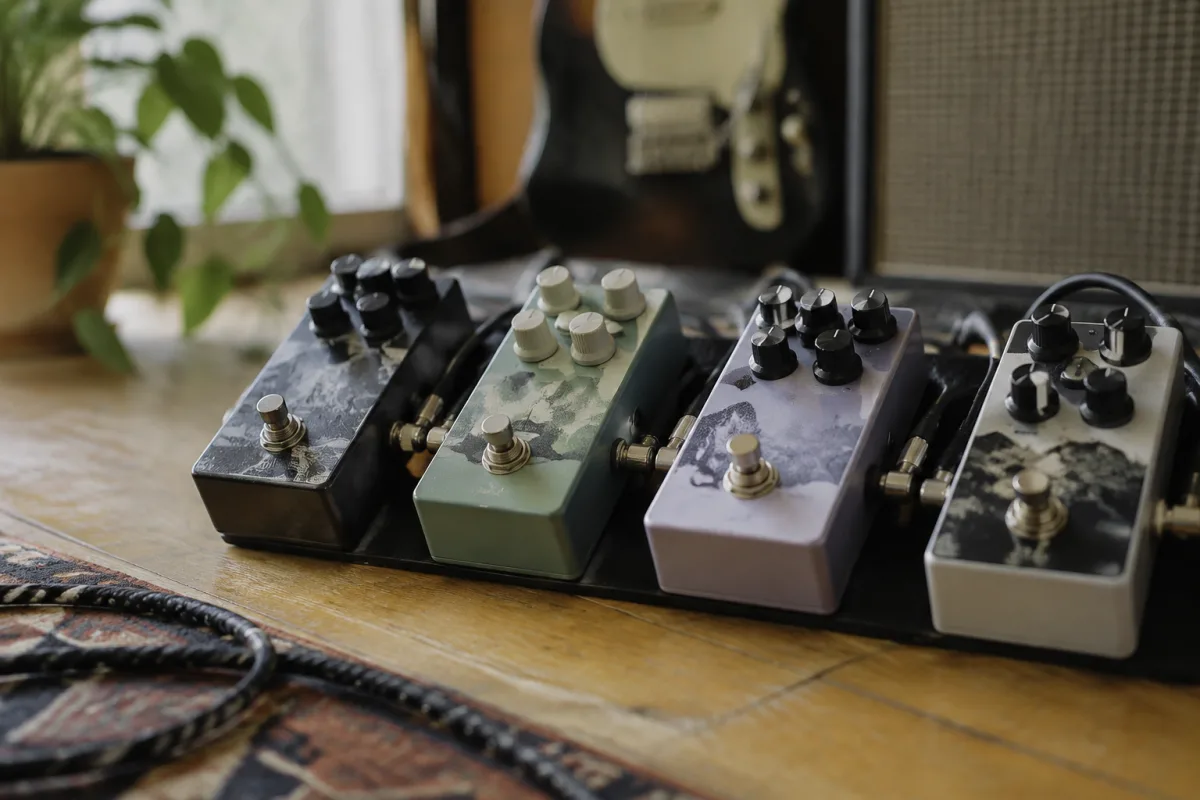
Earthquaker Devices pedals are among the most sought-after effects boxes on the market, but choosing the right one requires understanding what sets them apart and which model suits your needs. This buying guide cuts through the hype and focuses on practical details: how to evaluate build quality, identify the pedal matching your sound, navigate pricing, and avoid overspending on features you won't use.
What Makes Earthquaker Devices Worth the Investment?
Earthquaker Devices pedals command premium prices for good reason: they use superior components, hand-assembled construction, and circuit designs developed by engineers who understand players' needs. When you're considering an Earthquaker Devices pedal, you're paying for consistency, durability, and sound quality that holds up under touring conditions. That said, not every model will be right for your budget or playing style—understanding what you're buying is essential.
Build Quality and Construction Standards
All Earthquaker Devices models share several construction hallmarks worth checking before purchase. The enclosure should be solid metal with smooth welds and a professional paint finish—avoid any units with rough edges or significant cosmetic flaws, which can indicate manufacturing defects. The footswitch should feel substantial and move smoothly; a wobbly or loose footswitch suggests the pedal has been heavily used or damaged. Check that all jacks (input, output, and expression) are tightly seated and that the enclosure doesn't flex when you press down. These signs all point to a properly constructed Earthquaker Devices unit that will survive daily use.
Evaluating Tone and Features
Earthquaker Devices pedals range from single-function units (such as distortion or reverb) to complex multi-effect designs. Before buying, decide what sonic character you need. Distortion models tend toward warmth and breakup rather than fizzy aggression, which suits blues, rock, and alternative players particularly well. Modulation effects (chorus, tremolo, flanger) are known for lush, smooth character. Reverb and delay pedals offer spacious, atmospheric tones. Play through Earthquaker Devices options as you can before committing—each has its own voice.
Features matter differently for different players. A simple pedal with a single footswitch and three knobs is intuitive and fast to dial in on stage, while a pedal with expression pedal support, tap tempo, and multiple modes offers deeper flexibility but requires more menu diving. Ask yourself: will you adjust tone mid-song, or do you set it and forget it? Do you need MIDI connectivity or expression control? Honest answers save you from buying feature-rich pedals you'll never use.
Price Tiers and Where to Save
These pedals span three broad price brackets. Entry-level compact units typically cost GBP 80–150, offering solid tone in a space-efficient footprint—perfect if board real estate is limited. Mid-range pedals (GBP 150–250) feature more sonic depth, switchable modes, and improved build components; these represent excellent value and suit most players. Premium models (GBP 250+) include features like MIDI control, stereo routing, advanced algorithms, or are limited-edition runs; these appeal to professionals and tone obsessives willing to invest deeply.
A smart buying strategy: identify the core tone you need, then choose the simplest pedal that delivers it. A GBP 100 unit nailing your core sound beats a GBP 300 model with seven modes you don't understand. Look for older or discontinued models on the secondhand market—these hold their value and often sell for 60–80% of original retail price, making them great value for the budget-conscious.
Checking Condition on Secondhand Units
If you're buying used units to save money, condition matters enormously. Inspect the enclosure for deep scratches, dents, or rust (which indicates water damage). Test every footswitch and knob carefully—they should respond smoothly without crackle or delay. Ask the seller if the pedal has been modded; some players open theirs to swap components, which can affect warranty status and reliability. Request test footage or audio if buying remotely. A well-maintained used model is nearly as good as new and costs significantly less.
Comparing with Competitor Brands
This brand isn't the only premium pedal maker, but it occupies a sweet spot between boutique exclusivity and modern accessibility. Boss and TC Electronic pedals often cost less and include more features, but their tone character is different—colder, more digital. Boutique builders like Strymon and Walrus Audio offer comparable quality and innovation but at similar or higher prices. Decide whether you're chasing this specific sonic character or simply hunting for the best value in your budget.
Essential Features to Prioritise
When choosing one, prioritise true bypass or buffered bypass (the switching topology). True bypass keeps your tone clean when the pedal is off; buffered bypass can subtly colour your signal. Most models use true bypass, which is a strength. Next, check if it runs on 9V batteries, a power supply, or both—this affects portability and gig-readiness. Finally, examine whether you need stereo in/out capability; stereo expands your creative options but complicates your signal chain and board layout.
Avoiding Overpaying and Buyer's Remorse
The most common mistake is buying based on hype or aesthetics rather than your actual sound needs. A beautiful pedal gathering dust is money wasted. Rent or borrow similar units first if you can; this clarifies whether you genuinely need a reverb, which algorithm suits your ears, and whether you'll actually use the expression pedal control. Avoid impulse purchases—give yourself 48 hours to decide. Secondhand markets move fast, but rushing into a purchase you later regret costs more than waiting for the right opportunity.
Making Your Final Decision
Before buying, spend five minutes listing your non-negotiables: price ceiling, essential tone, and must-have features. Cross-reference this against available models. Trust your ears more than reviews or recommendations—the pedal you love at volume in your band's rehearsal room matters far more than generic praise online. Once you've bought, commit to learning it thoroughly. Most buyer's remorse stems from skipping the manual or failing to dial in tones patiently.



Comments