


Distortion Pedals for Bass article
Distortion Pedals For Bass for Beginners: A Complete Guide
Distortion pedals for bass intimidate beginners, but they don't have to. This guide shows you beginner-friendly models, essential controls, and how to sound aggressive without losing clarity.
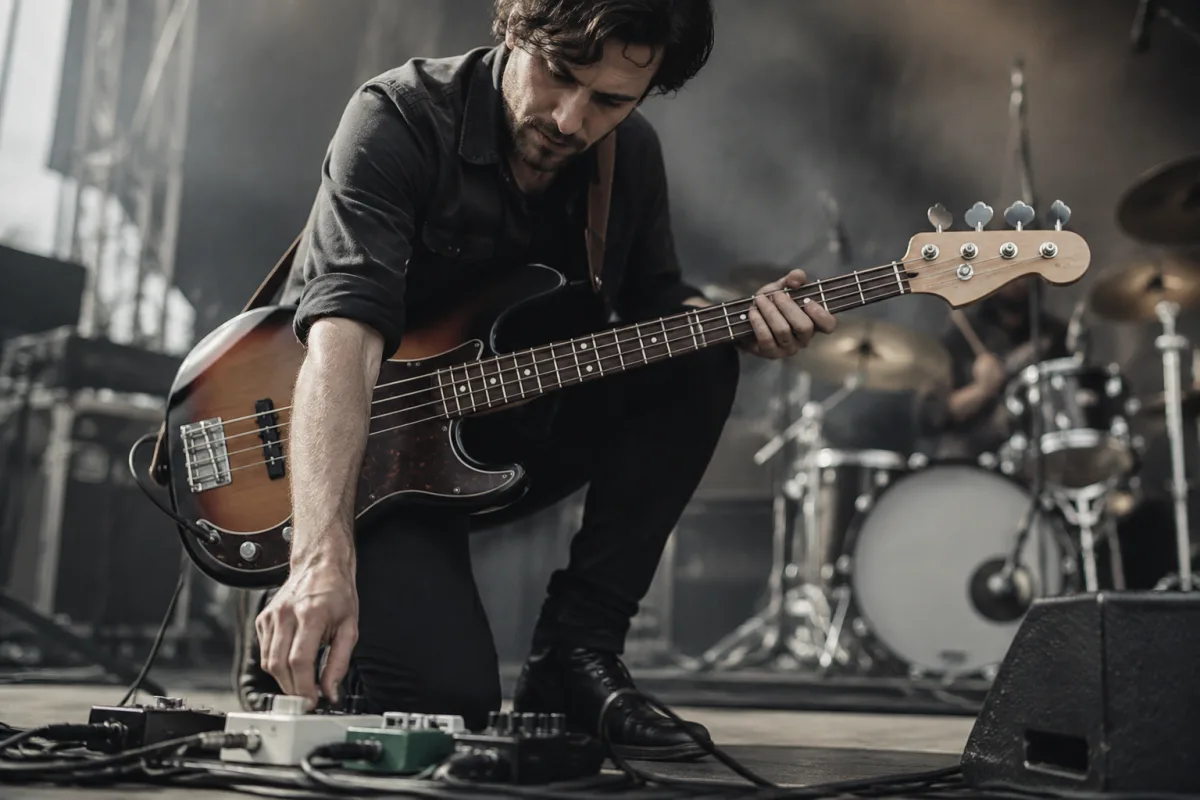
You watched a bass player bend notes with aggressive distortion and thought, "That's the sound I want." But distortion pedals for bass are intimidating. What if you destroy your bass's tone? What if you sound like a cheap effect? What if everyone thinks you're a rock cliche? Take a step back. Distortion pedals for bass are tools for expression, not tone-killers. Let's demystify them and show you how to sound incredible without losing your bass's character.
Why Distortion Pedals for Bass Are Different from Guitar Effects
Here's the key truth: distortion pedals for bass work differently than guitar distortion. A bassist needs low-end punch and clarity. Guitar distortion often sacrifices those qualities for aggressive sustain. Applying guitar distortion logic to distortion pedals for bass creates mud.
Quality distortion pedals for bass preserve your fundamental tone while adding aggression. This balance is critical. Your bass should still cut through a band mix even when using distortion pedals for bass. Think "grit" rather than "obliteration."
For comprehensive technical information about distortion effect design and applications, explore the complete guide to distortion pedals for bass.
The First Fear: Will Distortion Pedals for Bass Ruin My Tone?
This worry is completely valid. Bad distortion pedals for bass absolutely wreck your sound. Cheap effects muddy your low end and turn articulation to mush.
But here's what actually happens with proper distortion pedals for bass: your fundamental note remains clear while harmonics gain grit. The effect sits alongside your tone, not instead of it. When you lift your foot off distortion pedals for bass, your original tone reappears unchanged.
Most beginner anxiety disappears after one session testing proper distortion pedals for bass. You'll find that good effect design works with your bass, not against it.
Beginner-Friendly Distortion Pedals for Bass
Starting with the right distortion pedals for bass matters enormously. Look for models specifically designed for bass, not generic guitar effects:
- Boss DS-1 Bass Distortion: Legendary bass distortion pedal designed specifically for low frequencies. Affordable (£40-70), reliable, and sounds professional. A classic choice on distortion pedals for bass for good reason.
- MXR Bass Distortion: Modern distortion pedals for bass with tone control and level adjustment. Costs around £80-120. Gives you control while sounding full-bodied.
- Electro-Harmonix Hot Tubes: Warm, smooth distortion pedals for bass sound emphasising sustain over aggression. £60-100. Ideal if you want grit without harshness.
- ProCo Turbo RAT: Versatile distortion pedals for bass that work well in various musical styles. £70-110. Slightly more aggressive than others but still musically usable.
All these distortion pedals for bass feature proper low-end preservation and practical control layout. They sound like intentional effects, not accidents.
Understanding Distortion Pedals for Bass Controls
Distortion pedals for bass typically feature four key controls. Understanding these prevents frustration:
- Distortion/Drive: How aggressive the effect becomes. Start at 25-50% for beginners using distortion pedals for bass. More doesn't equal better—it just means more saturation. You'll find your sweet spot quickly.
- Level/Volume: How loud the distortion pedals for bass output. This should match your clean bass volume when the effect engages. Forget if you're using distortion pedals for bass and accidentally boost yourself 3dB louder than the band.
- Tone: Brightness or darkness on distortion pedals for bass. Warmer settings preserve bass warmth; brighter settings increase aggression. Most beginners favour middle-ground tone on distortion pedals for bass.
- Blend or Mix: Some advanced distortion pedals for bass let you blend clean and distorted signals. This feature is excellent but isn't necessary to start with distortion pedals for bass.
These controls seem daunting until you realise you're just tweaking three variables on distortion pedals for bass. Spend an afternoon experimenting and you'll understand completely.
First Steps: Using Distortion Pedals for Bass Confidently
Here's how to start using distortion pedals for bass without panic:
- Set distortion pedals for bass to 50% distortion: Not minimal, not maximum. Middle ground gives you room to explore.
- Match the level to your clean bass: When you engage distortion pedals for bass, volume shouldn't jump. A slight boost (1-2dB) is fine, but equal volume prevents your band from losing the bass when you step on the pedal.
- Keep tone at 50% on distortion pedals for bass: You're starting neutral. Once you play, you'll know whether you want brightness or warmth from distortion pedals for bass.
- Use distortion pedals for bass sparingly at first: Don't crush every note. Use them for emphasis on specific passages or the chorus. This builds confidence that distortion pedals for bass enhance rather than overwhelm.
- Play through your bass rig with distortion pedals for bass: Never judge an effect without hearing it through your actual setup. Headphones or tiny amps mislead you about how distortion pedals for bass really sound.
These first steps with distortion pedals for bass prevent the common panic of "I sound terrible!"
Genre Considerations for Distortion Pedals for Bass
Different musical styles use distortion pedals for bass differently. Understanding this shapes how you approach the effect:
- Rock: Distortion pedals for bass sound natural here. Use moderate distortion pedals for bass settings (40-60%) and lean toward brightness for cutting through band mix.
- Metal: More aggressive distortion pedals for bass settings (70%+) work beautifully. Distortion pedals for bass help you sit right up front with kick drum.
- Funk: Subtle distortion pedals for bass add grit while maintaining groove definition. 20-40% distortion settings on distortion pedals for bass work better than extreme settings.
- Blues: Warm distortion pedals for bass sounds complement bluesy notes. Look for distortion pedals for bass emphasising sustain rather than aggressiveness.
- Experimental: Go wild with distortion pedals for bass. No rules apply when you're exploring new sounds with distortion pedals for bass.
Your musical style guides how aggressive distortion pedals for bass should be. Don't force the effect into inappropriate genres just because it's available.
Common Mistakes When Starting with Distortion Pedals for Bass
Learning from others' experiences accelerates your progress with distortion pedals for bass:
- Using guitar distortion pedals instead of bass-specific models: Guitar distortion pedals on bass sound thin and weak. Always choose distortion pedals for bass designed specifically for low frequencies.
- Maximising the distortion setting: Beginners often assume more aggression sounds better. Maximum distortion on distortion pedals for bass sounds like dirt, not music. Restrain yourself.
- Forgetting to match the output level: If your distortion pedals for bass suddenly make you much louder, you'll overshadow the band. Proper level matching on distortion pedals for bass matters hugely.
- Assuming one setting works everywhere: Find initial distortion pedals for bass settings for rehearsal, then adjust for different venues. What sounded good in a small room changes when you play a larger space using the same distortion pedals for bass settings.
- Neglecting to hear distortion pedals for bass through your actual bass rig: Store demo videos and headphone testing mislead you. Distortion pedals for bass sound completely different through your amplifier and cabinet.
- Using distortion pedals for bass as a crutch for poor technique: Distortion pedals for bass enhance good playing. They don't fix sloppy technique. Master your fundamentals first, then add distortion pedals for bass.
Your Distortion Pedals for Bass Journey Begins
Starting with distortion pedals for bass is less intimidating than you imagine. Get a dedicated bass model, start at moderate settings, and listen carefully. Within hours, you'll feel comfortable with distortion pedals for bass in your signal chain.
Your bass's character won't disappear when you add distortion pedals for bass. The effect amplifies your voice, adds aggression where you want it, and returns to silence when you lift your foot. That's the magic of well-designed distortion pedals for bass.
Start exploring. Your best bass tones might be waiting just beyond distortion pedals for bass that you haven't yet discovered.


Comments