


Distortion Pedals for Bass Buying guide
Distortion Pedals For Bass: A Complete Buyer's Guide
Selecting the right distortion pedals for bass requires understanding bass-specific design considerations. This guide explains overdrive, distortion, and fuzz options, essential features, and how to integrate distortion into your rig.
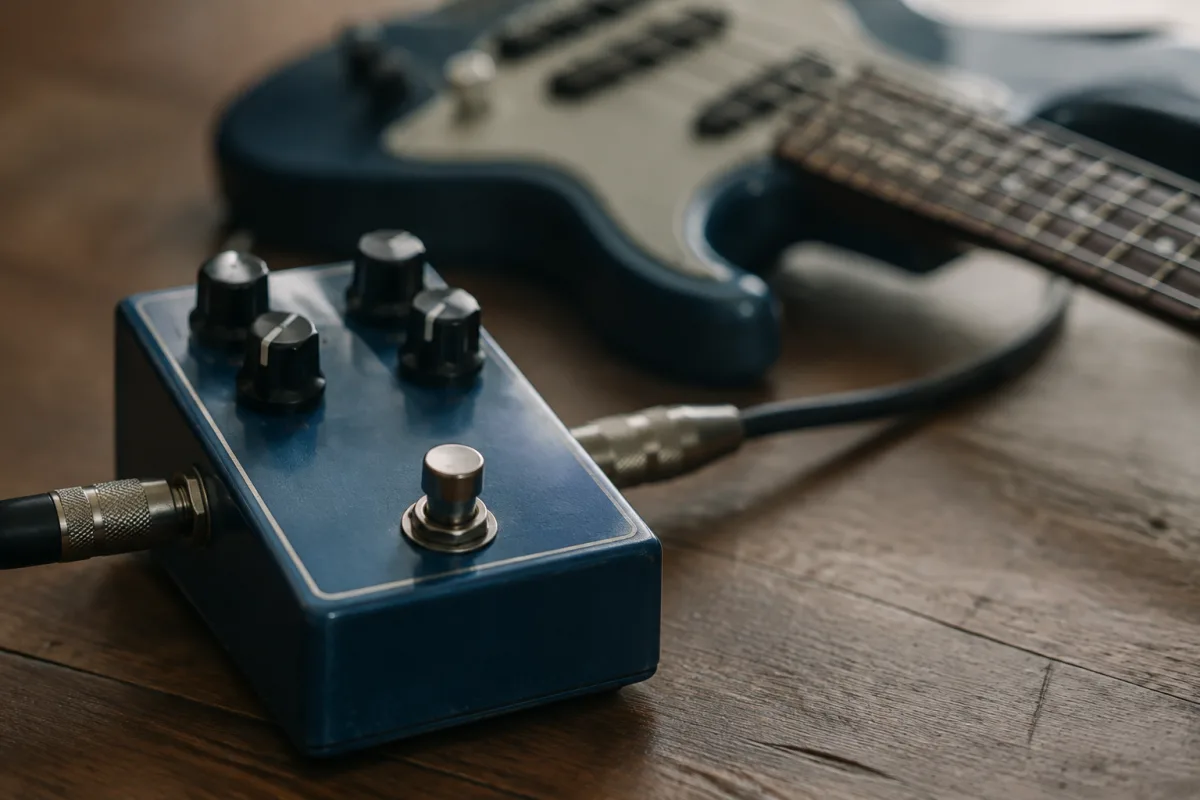
Distortion pedals for bass serve a distinctly different purpose than their guitar counterparts. Bass distortion requires careful consideration of how saturation affects low-frequency clarity, sustain, and the critical bass tones that anchor your band's sound. If you're considering adding distortion to your bass rig but feel uncertain about which type to choose, whether bass-specific or guitar distortion pedals work for your needs, or how to balance aggression with clarity, this guide walks you through the essential considerations that separate excellent bass distortion from muddy compromises.
Why Bass Requires Specialized Distortion Pedals
Bass frequencies demand respect in distortion pedal design. Guitar-oriented distortion pedals designed without bass player needs in mind often produce flabby, undefined tone when used with bass. The low frequencies can interact poorly with overdrive and distortion circuits, creating a wooly, indistinct sound that weakens your bass tone instead of enhancing it. Quality distortion pedals for bass preserve note definition and low-end clarity whilst adding aggression and sustain. This specificity is why professional bass players often invest in bass-specific models rather than adapting guitar-focused distortion.
Bass distortion fundamentally differs from guitar distortion philosophically. Guitarists often seek complete saturation and tonal transformation. Bass players typically want controlled aggression that preserves note articulation and tuning clarity. The best distortion pedals for bass enhance your natural tone rather than completely transforming it into something unrecognisable. This distinction guides product selection and parameters within specific models.
Types of Distortion Effects for Bass Players
| Distortion Type | Characteristics | Best For | Typical Price |
|---|---|---|---|
| Overdrive | Mild saturation, transparent compression, retains note clarity | Added aggression, sustain without loss of definition | £40–£150 |
| Distortion | Moderate to heavy saturation, grit, tonal shaping controls | Rock, metal, fusion tones with attitude | £50–£200 |
| Fuzz | Extreme saturation, smooth compression, synth-like qualities | Psychedelic, experimental, aggressive bass tones | £80–£250 |
| Bass-Specific Overdrive | Optimised for low frequencies, preserves clarity, moderate aggression | Most bass applications, studio and live use | £60–£180 |
Overdrive represents the most practical choice for versatile bass playing. Overdrive pedals add grit and sustain whilst preserving your instrument's natural tone and note clarity. Most professional bass players maintain at least one overdrive pedal in their effects chain. The moderate saturation helps bass cut through the mix during solos while remaining manageable in band contexts.
True distortion pedals offer heavier saturation than overdrives. These work brilliantly for metal, punk, and rock applications where aggressive bass tones define the sound. However, excessive distortion can obscure note articulation, making bass-band communication difficult. Many bass distortion pedals for bass include filter or tone controls enabling you to compensate, preserving some clarity whilst maximising aggression.
Essential Features in Distortion Pedals for Bass
A tone control represents the single most important feature in quality distortion pedals for bass. This control shapes the filtered output of the distorted signal, enabling you to compensate for excessive harshness or maintain low-end clarity. Without proper tone shaping, distortion becomes progressively less usable as saturation increases. Avoid distortion pedals for bass lacking tone control entirely, as they'll prove frustrating in practical applications.
Level or output volume control allows proper mixing with your clean signal. Many bass players run distortion at moderate levels, blending it with clean tone for balance. This approach maintains note clarity while adding attitude. Distortion pedals for bass should provide adequate output control enabling precise level matching with your direct bass signal.
A blend or mix control on premium distortion pedals for bass offers exceptional flexibility. This feature literally mixes the distorted signal with your original clean bass tone, enabling you to maintain complete low-end clarity whilst adding distortion character. Not all distortion pedals offer this feature, but those that do provide outstanding versatility for bass applications.
Input sensitivity or gain staging determines how much the pedal responds to your instrument's signal strength. Some distortion pedals for bass respond well to passive bass guitars whilst struggling with active or hot-output instruments. Others behave conversely. Matching input sensitivity to your specific bass prevents constant volume and response issues.
Bass-Specific Versus Guitar-Oriented Distortion
Dedicated distortion pedals for bass, manufactured specifically for bass applications, handle low frequencies with proper impedance matching and circuit design. They typically feature wider frequency response emphasis on bass ranges, smoother distortion character, and controls optimised for bass frequencies. The engineering specifically accounts for bass guitar signal characteristics and the demanding requirements of low-end saturation.
Guitar distortion pedals sometimes work acceptably with bass, particularly if they feature tone controls and sufficient flexibility. However, they often produce thin, undefined bass tone when pushed hard. The circuits typically optimise for guitar frequency ranges, concentrating distortion character in midrange frequencies that define guitar tone but aren't equally important to bass. Bass players using guitar-oriented distortion often must work around limitations rather than enjoying intuitive usability.
If budget is severely constrained, a high-quality guitar distortion pedal with excellent tone control proves better than a cheap "bass distortion" pedal with poor implementation. However, the best strategy involves seeking dedicated distortion pedals for bass designed for your specific needs. The engineering investment pays dividends in tone quality and operational flexibility.
Integration with Your Bass Rig
Consider how distortion pedals for bass integrate with your existing tone-shaping tools. If you already employ compression, place compression before distortion in your signal chain. Compression into distortion creates more consistent, controlled saturation. If you add distortion pedals for bass first, then compression, the dynamics remain too responsive. This signal chain ordering significantly affects playability and tone consistency.
Distortion pedals work best in bass rigs employing quality amplification and speakers capable of reproducing the full saturation spectrum. Budget amplifiers sometimes struggle reproducing heavily distorted bass clearly. Conversely, premium bass amplifiers handle and showcase high-quality distortion beautifully. Assess whether your current rig components will maximise distortion quality.
Price Tiers and Quality Expectations
Entry-level distortion pedals for bass (£30–£70) provide basic distortion functionality and satisfy casual players exploring the effect. Sound quality remains acceptable though controls may feel coarse and tonal flexibility limited. These pedals rarely include blend controls or sophisticated filtering. They serve as experimental platforms adequately, but dedicated players quickly outgrow limitations.
Mid-range distortion pedals for bass (£70–£150) represent the sweet spot for most players. These models include proper tone controls, responsive gain staging, and sufficient tonal variety to satisfy most applications. Build quality improves noticeably, with better components and more intuitive controls. Most professional touring bass players favour mid-range quality—the best balance between cost and functionality.
Premium distortion pedals for bass (£150+) offer exceptional tone, build quality, and features like blend controls or multiple saturation modes. These pedals appeal to perfectionists and session musicians where tone quality significantly impacts income. The premium investment provides noticeable advantages in clarity, sustain, and tonal character.
Common Mistakes When Choosing Distortion Pedals for Bass
Assuming any guitar distortion pedal works adequately for bass represents a frequent error. Whilst some do, many produce thin, muddy, or unplayable tone with bass frequencies. Test carefully before purchasing guitar-oriented pedals for bass use. A dedicated bass model, even at similar price, typically outperforms guitar alternatives.
Excessive saturation is another common mistake. New bass players often choose heavily distorted tones that obscure note clarity and make band communication difficult. Your bandmates must understand what notes you're playing. Start with moderate saturation, gradually increasing intensity as you learn how much distortion suits your band's style and venue. Restraint often produces better results than maximum aggression.
Ignoring proper signal chain placement causes tone issues that seem like pedal problems. Placing distortion in the wrong location relative to compression or other effects compromises overall tone. Experiment with signal chain ordering to discover optimal results. Often, tone perceived as inadequate actually results from improper integration rather than pedal inadequacy.
Evaluating Specific Distortion Pedals for Bass
When evaluating specific distortion pedals for bass, prioritise tone control sophistication and input/output flexibility. Test the pedal with your specific bass and amplification when possible. Many musicians assume specifications tell the complete story but hearing how a pedal behaves with your rig proves essential. Quality retailers often permit trial periods or offer return policies enabling this critical evaluation.
Listen closely to how the pedal handles your lowest notes. Does distortion remain clear and defined, or does it become muddy and undefined? How does tone respond to gain parameter changes? Can you achieve useful tonal variety or only variations on distortion intensity? These practical questions answer better through hands-on experience than theoretical specifications.
Making Your Distortion Pedals Selection
Determine your primary use case—will this pedal add attitude to standard bass tone, or provide a distinctly aggressive alternate sound? Versatile players benefit from moderate distortion with strong tone control. Players seeking specific aggressive bass character should choose more aggressive saturation. Mid-range dedicated bass distortion pedals offer excellent starting points for exploration. For comprehensive information about bass distortion history, advanced applications, and technical architecture, consult our complete guide to distortion pedals for bass, covering advanced topics and industry context.



Comments