


Mxr Analog Delay Pedal Buying guide
Mxr Analog Delay Pedal: A Complete Buyer's Guide
MXR makes several analog delay models at different price points. This guide compares each one so you can choose the perfect delay pedal for your budget and style.
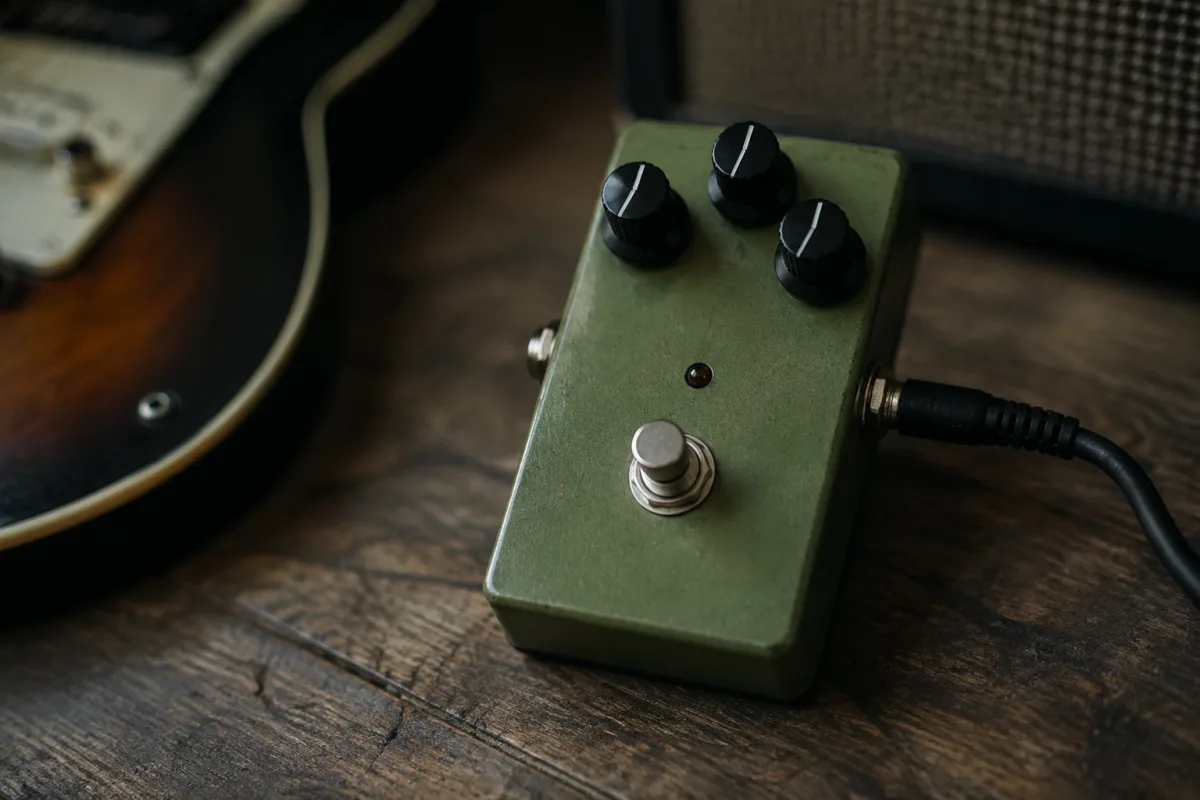
MXR's analog delay pedals are legendary among guitarists for their warm, natural sound and intuitive interface. But the MXR lineup spans several models, each with different features and price points, and choosing between them can be confusing. This buying guide explains which MXR analog delay pedals suit different players, what separates the models, and how to find the right one for your rig and budget.
Why MXR Analog Delay Pedals?
MXR has been making delay pedals since the 1970s, and their analog delay range remains industry standard. Guitarists choose MXR analog delays for three reasons: authentic warm tone, simple hands-on control, and rock-solid reliability. Unlike digital delays that can sound clinical, analog delays add harmonic character and natural compression to your tone. The delay trails off organically rather than stopping abruptly. Once you've played through an MXR analog delay, digital often feels artificial by comparison.
MXR Analog Delay Models: The Lineup
MXR Carbon Copy Mini (£100–150)
What it is: A compact version of the Classic Carbon Copy, packed into a pedalboard-friendly size.
Sound: Warm, natural analog delay. No digital option. Pure analog from input to output.
Features:
- Simple three-knob interface: Mix, Delay, Feedback.
- LED indicator for bypass.
- Up to 600ms delay time.
- Small footprint, fits tight pedalboards.
- True bypass (your tone is untouched when off).
Best for: Guitarists with tight pedalboards, players who want straightforward simplicity, and anyone starting with analog delay on a budget.
Trade-off: No tap tempo, no expression pedal control. The 600ms delay is shorter than some alternatives. Not ideal if you want long ambient trails.
MXR Carbon Copy (Full-Size, £150–220)
What it is: The classic MXR analog delay in its original size.
Sound: Identical to the Mini. Warm, musical, natural.
Features:
- Same three-knob interface as the Mini.
- Up to 600ms delay time.
- Slightly larger footprint than the Mini (standard pedal size).
- True bypass.
- More visible knobs and switches than the Mini.
Best for: Guitarists who prefer standard pedal size and don't need the Mini's compact footprint. Same great sound as the Mini at a similar price.
Trade-off: Same as the Mini — no tap tempo, no expression control.
MXR Carbon Copy Deluxe (£220–300)
What it is: The full-featured version of the Carbon Copy, adding modern conveniences without losing the classic analog sound.
Sound: Same analog warmth as the standard Carbon Copy.
Features:
- All the knobs from the standard Carbon Copy.
- Tap tempo footswitch (set delay time by tapping).
- Expression pedal input (control delay time in real-time during playing).
- Up to 1200ms delay time (double the standard).
- Longer trails (delay continues even when you turn off the pedal).
- True bypass.
Best for: Guitarists who want analog warmth plus modern features. Tap tempo is especially useful in live situations where tempo changes mid-song.
Trade-off: Higher price (£250–300). Slightly larger footprint. Expression pedal (sold separately) adds cost if you want real-time control.
MXR Analog Delay EVH (Eddie Van Halen Model, £150–200)
What it is: A signature model based on Eddie Van Halen's personal delay settings, featuring a unique colour and slight circuit tweaks.
Sound: Slightly different voicing than the standard Carbon Copy. More prominent highs, slightly shorter delay trails. Classic Van Halen tone.
Features:
- Three-knob interface (same layout as Carbon Copy).
- Signature aesthetic (distinctive colours/design).
- Up to 600ms delay time.
- True bypass.
Best for: EVH fans and players who want a subtle tone tweak toward brighter, punchier delays.
Trade-off: Limited supply (discontinued in some regions). The sound is only subtly different from the standard Carbon Copy. You're partly paying for the signature branding.
Comparison Table: Which MXR Analog Delay to Choose
| Model | Price | Max Delay Time | Tap Tempo | Expression Input | Footprint | Best For |
|---|---|---|---|---|---|---|
| Carbon Copy Mini | £100–150 | 600ms | No | No | Compact | Tight boards, simplicity |
| Carbon Copy Full | £150–220 | 600ms | No | No | Standard | Standard rigs, classic tone |
| Carbon Copy Deluxe | £220–300 | 1200ms | Yes | Yes | Standard+ | Modern features, long delays |
| Analog Delay EVH | £150–200 | 600ms | No | No | Standard | Signature tone, collectors |
How to Choose: Decision Framework
If You Want Simplicity and Low Cost
Buy the **Carbon Copy Mini** (£100–150). Three knobs, pure analog sound, tight footprint. You get everything that makes MXR analog delay special at the lowest price point. This is the right choice for 70% of guitarists.
If You Play Live and Need Tap Tempo
Buy the **Carbon Copy Deluxe** (£220–300). Tap tempo is invaluable in live situations where you need to match your delay to the song's tempo mid-performance. The longer delay time (1200ms) gives you more creative options.
If You Have Pedalboard Space
Buy the **Carbon Copy Full-Size** (£150–220) if standard pedal size works. It's the classic MXR experience. The Mini is better only if space is genuinely tight.
If You're an EVH Fan
Buy the **Analog Delay EVH** (£150–200) for the tone and aesthetics. It's a worthy collectible and the sound is characterful, though not dramatically different from the standard Carbon Copy.
MXR Analog Delay Features Explained
Mix (Wet/Dry Balance)
Controls how much delayed signal you hear against your original dry tone. 0% = all dry (delay off). 100% = all delayed signal (very ambient). Most guitarists sit around 30–60%, balancing tone enhancement with clarity.
Delay Time
How long the delay takes to repeat, measured in milliseconds. 200–400ms is typical for quarter-note delays in mid-tempo songs. 600ms (standard models) or 1200ms (Deluxe) is the maximum. Longer delays create more spacious, ambient effects.
Feedback (Repeats)
How many times the delay repeats before fading. Low feedback (2–3 repeats) sounds musical and clear. High feedback (8+ repeats) creates ambient trails and washy effects. Use less feedback for lead playing, more for atmospheric sections.
True Bypass
All MXR analog delays feature true bypass, meaning when the pedal is off, your signal bypasses the pedal entirely. No tone colouration when off. This is standard and expected.
Critical Considerations Before Buying
Consideration 1: Analog vs. Digital
MXR analog delays sound warm and natural, but they're pricey. Budget digital delays (Boss DD-3, under £100) sound good too and offer more features. Choose analog if tone and aesthetic matter most; digital if budget is tight.
Consideration 2: Power Requirements
MXR analog delays need either a 9V battery or a proper pedal power supply. They consume 2.5–5mA of current. Confirm your pedalboard power supply has enough headroom. Batteries work but are a hassle in live situations.
Consideration 3: Noise Floor
Analog delays, especially at high feedback settings, can introduce a slight noise or hiss. This is normal and part of the analog character. Some players love it; others find it annoying. Listen before buying if possible.
Consideration 4: Expression Pedal Add-On Cost
The Deluxe supports an expression pedal (sold separately, £50–150). If you want real-time delay control, budget for this add-on.
Common Mistakes When Buying MXR Analog Delay
Mistake 1: Buying the Deluxe if You Don't Need Tap Tempo
If you don't play live or use the same BPM throughout your songs, the Deluxe's higher cost isn't justified. The standard Carbon Copy sounds identical and costs less.
Mistake 2: Assuming Longer Delay Time (1200ms) Is Always Better
For most rock and blues playing, 600ms is plenty. Longer delay times (1200ms+) are used primarily by ambient or experimental players. Don't pay for features you won't use.
Mistake 3: Underestimating Power Supply Needs
A weak power supply or dead battery in a live situation is disastrous. Invest in a proper pedalboard power supply rated for your total current draw. It's not optional.
Mistake 4: Buying Used Without Testing
MXR analog delays are robust but old units can develop noise or intermittent issues. Buy used only with a return guarantee, or pay new price for peace of mind.
MXR Analog Delay on the Used Market
MXR analog delays hold their value well. Used Carbon Copies often sell for 60–75% of new price. This makes them a good option if you're budget-conscious. Check condition carefully (no noise, smooth knobs, no scratches indicating internal issues).
Where to Buy
Online retailers (Thomann, Gear4Music, sweetwater.com): Best prices, often with free shipping on orders over £100. Good return policies. Recommended.
Local music shops: Higher prices but you can hear it before buying. Worth it for expensive models (Deluxe).
Used market (Reverb.com, eBay): Save money but inspect condition carefully. Look for sellers with 99%+ rating.
Bottom Line
Most guitarists should start with the **Carbon Copy Mini or Full-Size** (£100–220). You get classic MXR analog warmth at a price that makes sense. If you play live or want longer delays, upgrade to the **Deluxe** (£220–300). Avoid buying used unless you're experienced recognising problems.
For a detailed exploration of MXR analog delay techniques, settings recommendations for different playing styles, and how to integrate it into your rig, the complete guide to MXR analog delay pedals covers everything.


Comments