


DAC Audio article
The Complete Guide to Dac Audio
DAC audio technology sits at the heart of modern music reproduction, transforming digital audio files into electrical signals your amplifier can process.
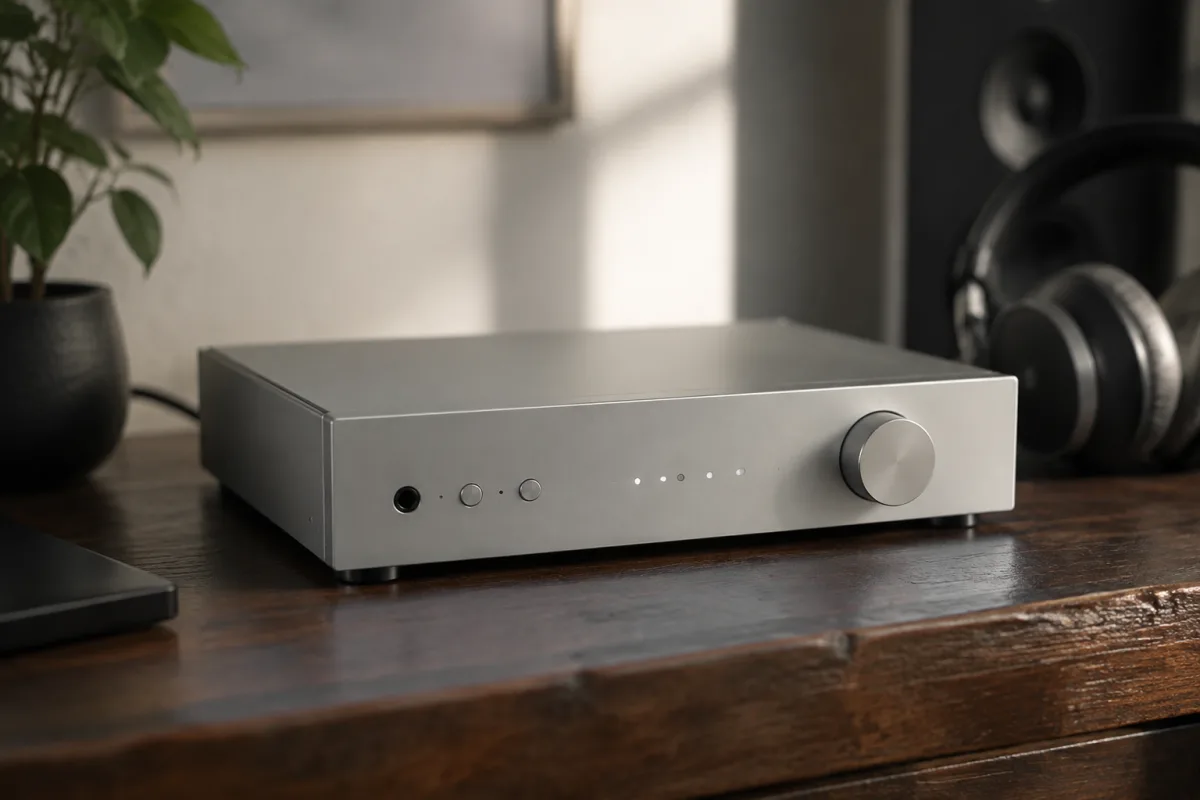
DAC audio technology sits at the heart of modern music reproduction, often overlooked yet profoundly important. Every digital audio file—whether streamed from Spotify or loaded from your computer—requires a Digital-to-Analog Converter (DAC) to transform binary data into electrical signals your amplifier can process. Understanding DAC audio quality and applications helps you optimise your listening experience and recognise the value of quality conversion.
What Is a DAC?
A Digital-to-Analog Converter (DAC) is an electronic component that converts digital audio data into continuous analogue electrical signals. Your phone, computer and streaming device all contain built-in DACs, though these integrated units often prioritise cost over audio quality. Professional-grade DACs employ superior chip design, lower noise floors and better power supply regulation, translating to measurably improved sound quality. This distinction explains why audiophiles invest in dedicated DAC audio devices despite their internal DACs already working.
How DAC Audio Works
| Process Step | Function | Quality Impact |
|---|---|---|
| Digital-to-Analog Conversion | DAC chip converts binary data to voltage levels | Chip quality determines noise floor and distortion |
| Filtering | Low-pass filter removes high-frequency artifacts | Filter design affects transient response and smoothness |
| Amplification | Buffer amplifier raises signal to line level | Op-amp quality influences noise and dynamics |
| Power Supply | Clean power feeds all components | Power quality dramatically affects overall sound |
The conversion process itself happens through integrated circuits designed specifically for DAC audio. Popular DAC chips come from manufacturers including Burr-Brown, Cirrus Logic and AKM, each with distinct sonic characteristics. A quality DAC audio device uses one of these premium chips paired with supporting circuitry designed to minimise noise and distortion. Multiple converters operating in parallel, oversampling techniques and careful component selection separate premium DAC audio devices from budget alternatives.
Types of DAC Audio Devices
Dedicated DAC audio devices range from portable units designed for smartphone use to desktop components serving as centrepieces of high-end audio systems. Portable DAC audio devices, roughly credit-card sized and powered via USB, connect between your phone and headphones or portable amplifier, improving mobile listening quality dramatically. Desktop DAC audio units sit on your desk or audio rack, connecting via USB or optical input from computers. Professional studio DAC audio converters interface with mixing consoles and recording systems, handling multiple channels simultaneously with extreme precision.
Bit Depth and Sample Rate in DAC Audio
DAC audio devices support various digital audio standards. Standard CD audio uses 16-bit depth at 44.1 kHz sample rate—adequate for music but not representing the theoretical limits of hearing. High-resolution DAC audio devices support 24-bit depth and sample rates up to 192 kHz or higher. Greater bit depth reduces quantisation error (the gap between intended and actual signal levels), whilst higher sample rates capture more frequency information. Whether these improvements matter perceptibly remains debated amongst audiophiles, though objective measurements confirm higher resolution DAC audio reduces measurable distortion.
DAC Audio Connectors and Interfaces
DAC audio devices accept input via multiple interfaces. USB connections dominate, allowing DAC audio devices to connect directly to computers and phones. Optical and coaxial S/PDIF inputs accept digital signals from CD players, televisions and streaming devices. Some DAC audio units accept Bluetooth, enabling wireless streaming. Output typically occurs via stereo RCA connectors (unbalanced) or XLR connectors (balanced), with balanced XLR preferred for longer cable runs and professional applications.
Choosing DAC Audio Equipment
Selecting DAC audio gear depends on your specific needs. Budget-conscious listeners might start with a portable DAC audio device (£30–60) delivering noticeable improvement over phone audio. Serious enthusiasts invest in desktop DAC audio units (£150–500+) offering superior components and connectivity. When evaluating DAC audio products, examine chip choice, power supply quality and feature set rather than marketing claims. Read professional reviews and audition equipment when possible—personal preference varies, and the best DAC audio device is one whose sound you genuinely enjoy.
DAC Audio and Streaming Quality
High-quality DAC audio equipment maximises the benefit from high-resolution streaming services like Tidal HiFi or Apple Music Lossless. Streaming these lossless formats through budget DAC audio devices wastes the enhanced quality; conversely, premium DAC audio equipment improves even lower-resolution streams like Spotify Standard. The interplay between source quality and DAC audio equipment quality matters—they work together, not independently.
Future of DAC Audio Technology
DAC audio chip design continues evolving, with manufacturers achieving lower noise, higher resolution and better integration. Emerging technologies like MQA (Master Quality Authenticated) promise improved streaming quality, though adoption remains limited. As digital audio becomes increasingly central to music consumption, quality DAC audio conversion grows more important to preserving musical detail and enjoyment.
Conclusion
DAC audio technology underpins modern music reproduction, transforming digital files into audible sound. Understanding DAC audio fundamentals helps you make informed equipment choices and appreciate why quality matters. Whether you opt for a simple portable DAC audio device or invest in premium converters, paying attention to DAC audio quality meaningfully improves your listening experience.


Comments