


DAC Audio Buying guide
Dac Audio: A Complete Buyer's Guide
Not sure if you need DAC audio? This guide explains what digital-to-analog converters do, who benefits from them, and how to choose the right device.
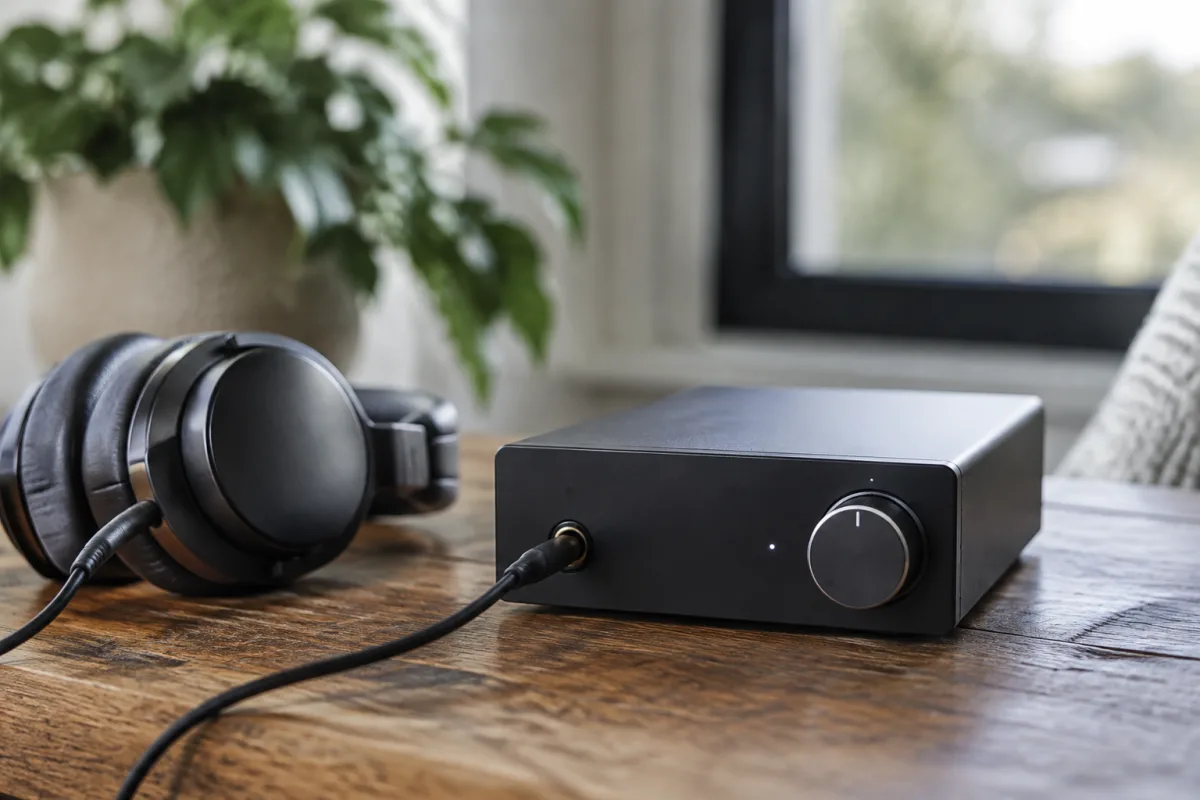
If you're researching audio equipment and keep encountering the term "DAC audio," you're not alone. Digital-to-analog converters (DACs) have become increasingly common in home audio, gaming, and music production setups, yet many buyers are unsure whether they actually need one or what to look for when choosing. This buying guide demystifies DAC audio, explains what determines quality and value, helps you assess whether a DAC audio device suits your setup, and walks you through the decision process without overwhelming you with technical jargon.
What Is DAC Audio?
A DAC audio device (Digital-to-Analog Converter) is hardware that converts digital audio signals into analogue signals that your speakers, headphones, or amplifier can actually reproduce as sound. Every device that plays audio—your laptop, phone, or streaming device—has a built-in DAC audio chip doing this conversion. However, these integrated DACs are often basic and limited. A dedicated DAC audio device replaces that basic conversion with higher-quality components, potentially delivering superior sound quality. Think of a DAC audio device as an intermediary translator: the better the translator, the more accurately it conveys the original message.
When Do You Need a DAC Audio Device?
Not everyone needs a dedicated DAC audio device. Assess your situation honestly:
You Benefit from DAC Audio If:
- You're a critical listener concerned with audio quality beyond basic clarity
- Your current source device (laptop, phone, streaming box) has a weak built-in audio output
- You use high-impedance headphones or earphones demanding better driving power
- You're feeding audio into an amplifier and want minimal signal degradation
- You notice hum, noise, or distortion in your current playback
- You care about bit-perfect playback of high-resolution audio files
You Likely Don't Need DAC Audio If:
- Your current audio setup sounds fine to you
- You only stream compressed audio (Spotify, Apple Music at normal quality)
- You listen casually and aren't focused on audio fidelity
- Your headphones or speakers have built-in DAC audio already
- Your budget is extremely tight—other gear improvements might offer better value
Key Specifications in DAC Audio Devices
Understanding DAC audio specifications helps you compare options objectively:
- Resolution: Measured in bits and sample rate (e.g., 16-bit/44.1kHz is CD quality; 24-bit/192kHz is high-resolution). Higher numbers mean more digital information to work with, though the practical listening difference diminishes at extreme resolutions.
- Signal-to-noise ratio (SNR): How much background noise your DAC audio device introduces. Look for 100dB or higher; anything below 90dB suggests a budget device.
- Total harmonic distortion (THD): Measures how much distortion the DAC audio device adds. Lower is better; under 0.01% is excellent.
- Outputs: RCA (analogue) outputs are standard. Some DAC audio devices also include USB, optical, or coaxial inputs. Balanced XLR outputs are premium features.
- Headphone amplification: Some DAC audio devices include headphone amps. Others are purely line-level converters. Choose based on whether you need headphone amplification.
- Connectivity: USB is most common, but optical and coaxial inputs offer galvanic isolation (reduced electrical noise). Wireless (Bluetooth) DAC audio is convenient but generally lower quality.
DAC Audio Quality Tiers and What You're Paying For
DAC audio devices vary dramatically in price. Understanding value at each tier clarifies your spending:
Budget DAC Audio (£30–£80)
Basic DAC audio devices that improve on weak built-in DACs. Adequate for casual listening and streaming. Don't expect night-and-day improvements—if your built-in audio already sounds fine, budget DAC audio offers minimal benefit. Connectivity is usually USB only.
Mid-Range DAC Audio (£80–£250)
Where quality-conscious listeners find value. Mid-range DAC audio devices offer better components, lower noise floors, and often include multiple inputs. This tier includes most dedicated headphone DACs. If you're serious about audio quality but budget-conscious, this is the sweet spot for DAC audio.
Premium DAC Audio (£250–£800)
High-end DAC audio with exceptional build quality, superior components, and refined sound. Balanced XLR outputs, multiple connectivity options, and low distortion are standard. Worthwhile only if you have quality speakers or headphones and a critical ear to justify the expense.
Ultra-Premium DAC Audio (£800+)
Boutique DAC audio devices with exotic components, hand-assembly, or limited production runs. Diminishing returns apply—the jump from £250 to £800 DAC audio is substantial; the jump from £800 to £3000 is marginal for most ears. Only pursue ultra-premium DAC audio if cost is irrelevant and you've confirmed the sonic improvements matter to you.
DAC Audio for Different Applications
Choose based on your specific use case:
Music Streaming (Spotify, Apple Music, Tidal)
Streaming quality is already compressed. A mid-range DAC audio device is sufficient—don't overbuy expecting dramatic improvements. The benefit comes from reducing noise and improving amplification, not from the DAC audio's ability to handle high resolution.
High-Resolution Audio (DSD, 24-bit/192kHz FLAC)
If you own high-resolution audio files, prioritise a DAC audio device that explicitly supports your format (DSD support requires specific chips). Mid-range to premium DAC audio is necessary to leverage high-resolution's advantages.
Gaming and Video Playback
Most gaming and video audio is delivered at standard resolution. A budget-to-mid-range DAC audio device improves latency perception and dynamic range. Ultra-premium DAC audio offers minimal gaming benefits.
Professional Monitoring
If you're mixing or mastering, invest in quality monitoring DAC audio—typically £500+. The quality difference directly affects your work. Cheaper DAC audio introduces errors that could compromise your mixes.
Common Mistakes When Buying DAC Audio
Avoid these pitfalls:
- Overbuy ing resolution specs: 32-bit/384kHz DAC audio specs sound impressive but offer minimal practical benefit over 24-bit/96kHz. Focus on other qualities (SNR, THD, build) instead.
- Ignoring your source quality: Feeding compressed Spotify streams into a £500 DAC audio device is wasteful. Match DAC audio quality to your source material.
- Neglecting connectivity: Ensure your chosen DAC audio device accepts input from your source. USB DAC audio is useless if your streaming device lacks USB output.
- Forgetting system synergy: A premium DAC audio device paired with budget headphones or speakers wastes its potential. Spend proportionally on all components.
- Chasing measurements over listening: Excellent DAC audio specifications don't guarantee enjoyable sound. Trust your ears—if DAC audio doesn't sound better to you, it's not worth buying regardless of specs.
- Overlooking output impedance: Some DAC audio devices have high output impedance, which affects how well they drive low-impedance headphones. Check specifications if you use low-impedance cans.
DAC Audio Brand Considerations
Reputable DAC audio brands include Cambridge Audio, Audioquest, Dragonfly (iFi), Chord, and Schiit. Established brands typically offer better warranty support and proven reliability. Budget DAC audio from unknown brands might work, but expect less consistency and shorter lifespan. Research reviews and user feedback before committing to unknown DAC audio brands.
Making Your DAC Audio Purchase Decision
Ask yourself three questions before buying DAC audio: (1) Do I regularly notice quality issues with my current audio setup? (2) Am I willing to invest in quality source material to match my DAC audio investment? (3) Can I honestly hear the difference between options in a blind listening test? If you answer yes to all three, DAC audio is worth exploring. If you hesitate on any, hold off—better to upgrade speakers or headphones first.
For a comprehensive exploration of audio equipment, streaming setups, and technology beyond just DAC audio, see our complete guide to DAC audio.
Your DAC Audio Decision
DAC audio devices can meaningfully improve playback quality when paired with quality source material and demanding listeners. The key is matching your DAC audio purchase to your actual needs and listening habits, not getting seduced by impressive specifications or prestige brands. A DAC audio device should solve a real problem—hum, limited headphone amplification, desire for high-resolution playback—not just add another piece of gear to your setup. Choose thoughtfully, and your DAC audio investment will reward you for years.



Comments