


Wampler Compressor Pedal Buying guide
Wampler Compressor Pedal: A Complete Buyer's Guide
Choosing a Wampler compressor pedal means understanding their models, what compression does and whether you need full controls or a simpler approach. This guide helps you pick the right pedal.
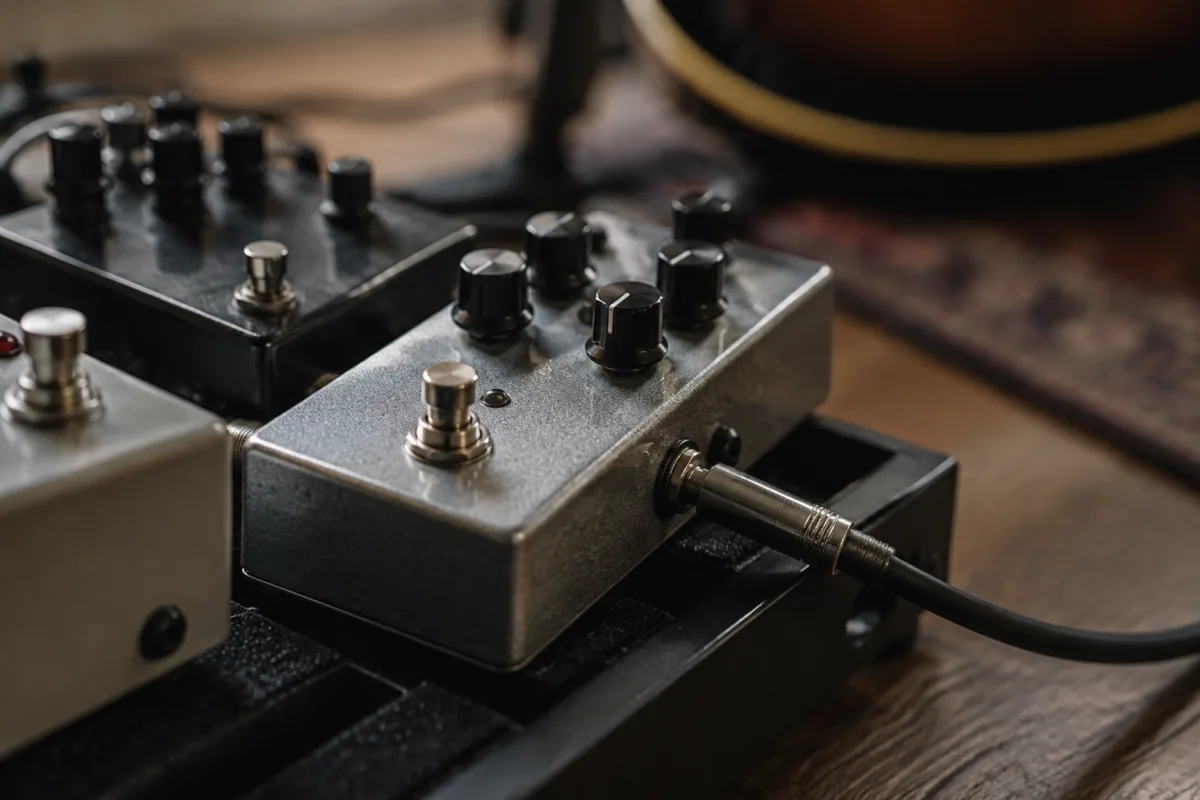
Wampler compressor pedals are respected tools in guitar pedalboards, known for transparency, musical compression and solid build quality. But choosing the right Wampler compressor pedal means understanding the differences between their models, what compression actually does to your tone and whether you need the extra controls Wampler offers versus simpler alternatives. This buying guide walks you through Wampler's compressor line, how to evaluate compression characteristics, key features to consider, and how to pick the model that fits your style and budget without overspending on features you won't use.
Understanding Wampler's Compressor Pedal Range
Wampler Pedals makes several compressor models, each with a distinct character and control set. The Ego Compressor is their flagship—a full-featured compressor with controls for compression ratio, sustain, tone and attack. The Terraform is a multi-effects pedal that includes compression as one voice. There's also the Dracarys (now discontinued but still available used) and various signature and limited editions. Each model targets different players: the Ego attracts players who want deep control; limited editions appeal to players seeking specific tones or endorsements.
The most common choice for new buyers is the Ego Compressor. It's versatile, road-worthy and offers enough tweaking room to dial in nearly any compression character without requiring specialist knowledge.
Compression: What Wampler Pedals Actually Do
Compression evens out the dynamic range of your signal. If you play with inconsistent picking dynamics—sometimes digging in, sometimes playing lightly—compression reins in the loud peaks and lifts the quiet moments, making your tone more consistent. It also adds sustain and can add colour or musicality depending on the circuit and settings.
Wampler compressors are known for transparency—they compress cleanly without adding obvious colouration. This suits genres from pop and country to classic rock. Some players find this too neutral and prefer compressors with more character (like optical or FET circuits). Wampler's approach is excellent if you want to control dynamics without changing your fundamental tone.
The Ego Compressor: Controls and Workflow
The Ego's main controls are: Compression (the ratio), Tone (a blend from dark to bright), Sustain (output level to compensate for gain loss), and Attack (how quickly the compressor engages). There's also a footswitch for on/off and usually a second footswitch for bypassing the tone control.
This control set is more than most players use initially but isn't intimidating. Out of the box, the default settings work well; you can get excellent tones without touching anything after that. As you become familiar with compression, you'll discover how tweaking Compression, Tone and Sustain dial in different feels.
The Attack control is where Wampler pedals shine. Most basic compressors don't offer this; having it gives you precise control over whether the compression feels smooth and glued or snappy and defined. This is why players upgrade to Wampler from simpler alternatives.
Build Quality and Durability
Wampler pedals are built solidly. Enclosures are metal, switches are reliable and the electronics are robust. A Wampler compressor will survive years of gigging and touring without issue. Resale value is good—if you eventually want to try something else, Wampler pedals hold their value reasonably well in the used market, so your investment is somewhat protected.
Size is worth considering. The Ego Compressor is larger than some compressors (it's not tiny) and takes up notable pedalboard real estate. If you're working with a small board, measure it first or consider a more compact alternative.
Tone and Musicality: Finding Your Fit
Wampler compressors sound "right" for most genres—they don't drastically colour your tone unless you twist the Tone control. This is either an advantage or a limitation depending on your taste. If you love your natural tone and want to preserve it while adding dynamics control, Wampler is ideal. If you want compression that adds obvious character (like vintage studio warmth), you might prefer other brands.
The Tone control gives you range—from dark and warm to bright and articulate. Most settings between are usable; there's no "sweet spot" you have to find. This flexibility means Wampler compressors adapt to different amp and guitar combinations reasonably well.
Price and Value Proposition
A new Ego Compressor costs around £200–250 in the UK. This is mid-range for high-quality compressors; you can find cheaper options (£80–120) with fewer features or less transparent character, and you can find premium compressors (£300+) from boutique builders. For the price, the Ego offers excellent value—high build quality, useful feature set and the Wampler reputation for transparency.
Used Ego Compressors often sell for £120–180, making them an attractive entry point if you're uncertain about compression or trying one before committing to a higher-end alternative.
Comparing Wampler to Competitors
MXR and Boss make budget compressors (£50–100) that work well but lack the Attack control and offer less tone shaping. Boss's CS-3 is a standard workhorse, reliable but fairly basic. Boss's newer models offer more control and similar features to Wampler's Ego at a lower price point. However, Wampler's reputation for customer support and build quality is stronger.
Premium boutique compressors (Empress, Darkglass, Keeley) run £300–500, offer even more features and sometimes add character or unique circuits. They're overkill for most players and worth the premium only if you know exactly what you want and why.
For most players, Wampler sits in the "best value for features and quality" sweet spot. Cheaper doesn't ruin your tone; pricier adds marginally more flexibility and prestige rather than necessity.
Use Cases and Genre Fit
Wampler compressors excel in country, pop, light rock and blues—genres where consistent, dynamic control without obvious colouration is valued. Metal players often prefer compressors with more character; prog and jazz players might want more extreme control options. Folk and acoustic players benefit from even dynamics without tone loss.
None of this is prescriptive—any compressor works in any genre. But Wampler's character aligns naturally with genres that value transparency and musicality.
Common Buying Mistakes to Avoid
Buying a compressor because you like how someone else sounds is the most common error. Compression interacts with your specific gear, picking style and playing habit; what works for a demo video might not suit your rig. Listen to comparisons, watch demonstrations, but try one in your own setup if possible.
Another mistake: assuming more controls equals better. The Ego's Attack control is genuinely useful; most other Wampler controls are refinement. A simpler compressor handles 80% of what most players need; don't assume you need everything.
Lastly, some players buy a compressor expecting it to "fix" weak playing dynamics. Compression helps but doesn't replace deliberate, controlled playing. Use it as a tool to enhance consistency, not a crutch.
The Right Wampler Compressor for You
Start with the Ego Compressor if you want full control and don't mind the size. If you're new to compression or playing a small stage, test one in a shop or rent before committing. Once you own one, spend weeks tweaking settings and playing through different amps and guitars to discover what works for your tone. A Wampler compressor sits on your board for years; the upfront investment pays back quickly.
Conclusion
Buying a Wampler compressor pedal means investing in transparent, musical compression that sits well in most pedalboards and genres. The Ego Compressor offers genuine control without being overly complex and builds confidence as you explore compression. For deeper exploration of compression principles, compressor types and Wampler's full pedal ecosystem, see the complete guide to Wampler compressor pedals.



Comments