


Cable Ts article
Cable Ts for Beginners: A Complete Guide
Cable talk makes nervous beginners anxious. This friendly guide breaks down TS cables, dispels myths, and shows you exactly what you need—no confusing jargon.
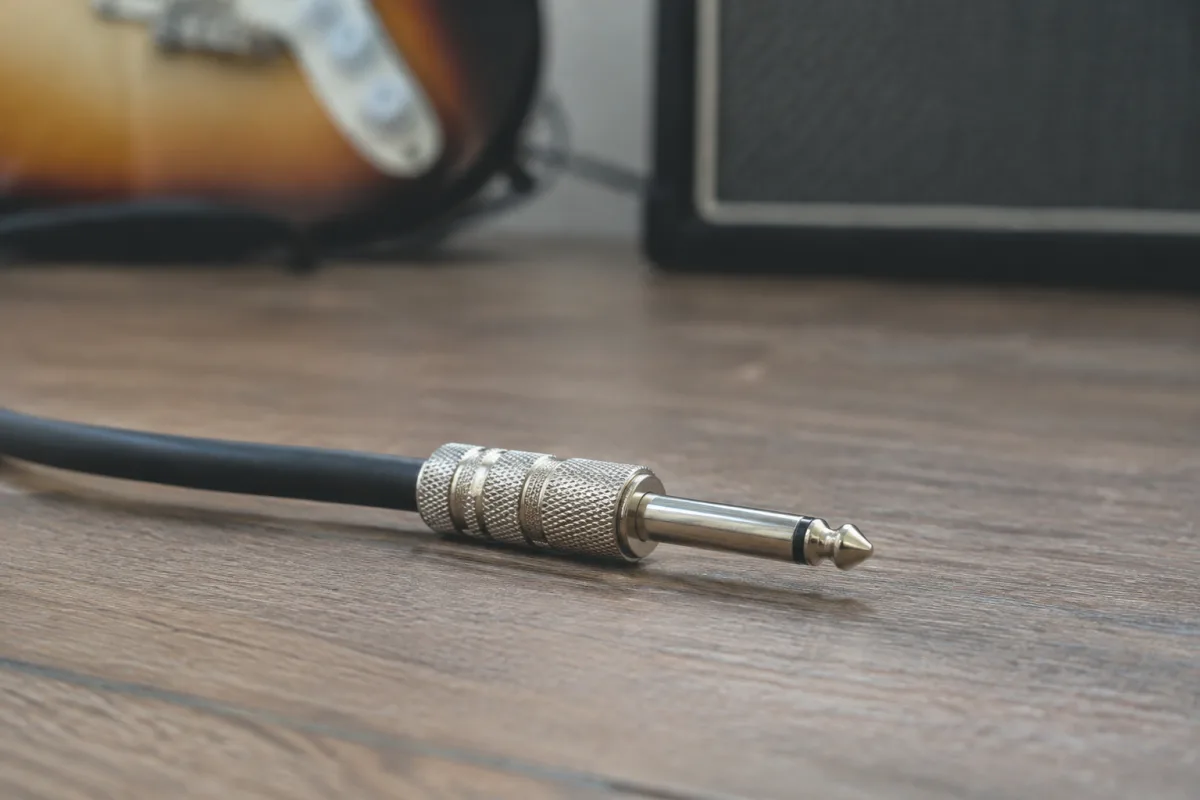
Cable talk can make beginner guitarists nervous. Why are there so many different types? Why do some cost a fortune? Most importantly, why does your mate keep saying you're using the wrong cable? If you're confused about TS cables—and wondering whether you even have the right one—you're not alone. Most nervous beginners grab whatever cable comes with their guitar and hope for the best. This guide strips away the confusion and shows you everything you need to know about TS cables without any pretentious technical jargon.
TS Cable: What It Actually Is
Let's start with the basics. A TS cable is an unbalanced audio cable commonly used to connect guitars to amplifiers and other gear. The "TS" stands for "Tip-Sleeve," which describes how the jack is wired. Honestly, you don't need to memorise the name—just know that it's the standard cable for electric guitars, and it's what most guitarists use most of the time. If you plug your guitar into an amp and it works, you're almost certainly using a TS cable.
Understanding TS vs. XLR vs. Other Cable Types
You've probably heard people mention different cable types and felt lost. Here's the simplified truth:
- TS (Tip-Sleeve): Unbalanced. Used for guitars, basses, keyboards, and effects pedals. Simple, reliable, standard. This is your go-to cable.
- TRS (Tip-Ring-Sleeve): Balanced. Longer, with an extra contact point. Used for studio recording, mixing consoles, and professional audio setups. You probably don't need this for basic guitar playing.
- XLR: Balanced, three-pin connector. Used for microphones and professional audio gear. Not for guitars unless you're in a professional studio environment.
- USB: Digital connection for recording interfaces and digital audio. Different purpose entirely from TS cables.
For most beginner and intermediate guitarists, TS cables are all you need. Don't let anyone convince you otherwise without a specific reason.
Why Beginners Get Confused About Cables
The biggest mistake nervous beginners make is overthinking cable choice. You'll hear things like "the cable affects your tone" or "you need premium cables to sound professional." While cable quality matters at the extremes, most beginner tone issues come from your guitar, amp, technique, and settings—not your cable. A £5 TS cable and a £50 TS cable both do the job fine for learning and practicing. Don't stress about this decision.
What to Look for in a TS Cable
When choosing a TS cable, focus on these practical factors rather than getting lost in technical specs:
- Length: Get a cable long enough for your setup. 3 metres is standard for practice; 6 metres if you're playing with a band or in larger spaces. Longer isn't better—excess cable creates clutter and can introduce noise.
- Durability: The cable should feel sturdy, not flimsy. Check that the jack connectors are solid and the cable doesn't feel like it'll tear if twisted. This matters more than brand name.
- Connectors: Both ends should have proper 1/4-inch (6.35mm) jack plugs. Make sure they screw onto your guitar's jack and amp's input firmly without rattling.
- Visual inspection: Look for any kinks, loose connectors, or damaged shielding. A visibly damaged cable will cause crackling and noise.
- Price point: For beginners, spend £5–£15 on a cable. Anything beyond that is paying for features (coloured shielding, fancy connectors) you don't need yet.
Common Beginner Mistakes With TS Cables
Watch out for these pitfalls when using TS cables:
Wrapping the cable too tightly. Coiling cables in a small knot damages the internal wiring. Use a loose spiral coil or a cable organiser instead. A damaged cable creates crackling and signal loss.
Yanking the cable from the jack. Always unplug by pulling the connector itself, never the cable. Pulling cable can tear the wires inside and eventually break the jack connection.
Leaving cables in tangled piles. Store cables loosely coiled or hung. Tangled cables can kink and fail without obvious external damage.
Assuming cable noise means you need an expensive upgrade. Crackling usually comes from a loose connection, not a cheap cable. Check that both jacks are fully seated and not corroded before spending money on a new cable.
Using a damaged cable because "it still works sometimes." An unreliable cable causes intermittent dropout, crackling, and frustration during practice and performance. Replace it rather than waiting for a complete failure mid-song.
The Length Question: How Long Should Your TS Cable Be?
This confuses many beginners. Here's the practical guide:
- Solo practice at home: 3 metres is plenty. Anything longer just creates mess.
- Band rehearsal or small venue: 6 metres gives you room to move without losing signal.
- Stage performance: 6–10 metres depending on the setup. Larger venues need longer cables.
- Don't buy 20-metre cables "just in case." Longer cables introduce more noise potential and create clutter. Get what you need plus a metre of extra length for comfort.
Quality vs. Price: What Actually Matters
You'll see TS cables ranging from £2 to £200. What's the difference? Mostly durability and shielding quality. A cheap cable works fine for home practice. A mid-range cable (£10–£20) lasts longer and shields noise better. Premium cables (£50+) are built for professional touring and daily abuse. As a beginner, you need a mid-range cable, not premium. Don't feel pressured to buy expensive gear.
Troubleshooting: Is Your Cable the Problem?
If you're hearing crackling, dropout, or strange noises, before replacing your cable, check these first:
- Wiggle both ends of the cable. If noise changes, the jack might be loose, not the cable damaged.
- Push the cable connector firmly into both the guitar and amp. Loose connections cause crackling instantly.
- Check that the guitar jack isn't corroded or dirty. Wipe it clean with a dry cloth.
- Test the cable with a different guitar or amp to isolate the problem.
- Coil the cable loosely away from power cables, which can introduce interference.
If noise persists after checking these, then replacing the cable is justified.
When to Upgrade Your TS Cable
You don't need to upgrade cables often. Replace when:
- The cable visibly crackles or drops signal intermittently.
- A jack connector is broken or corroded beyond cleaning.
- You're moving to larger venues and need a longer cable.
- You've been using the same cable for five years—they do wear out eventually.
- You're starting studio recording and need better shielding against interference.
Otherwise, your current TS cable is fine. Resist the pressure to upgrade unnecessarily.
Connecting Your Knowledge
TS cables are just one part of your guitar setup. For deeper understanding of cables, connectors, and audio gear in general, explore our guide to cables and connectivity, which covers the full range of audio connections you'll encounter.
The Bottom Line for Beginners
Get a mid-range TS cable (£10–£15), get the length that fits your practice space, treat it gently by coiling it loosely and unplugging carefully, and stop worrying about it. A good cable works reliably without demanding attention. Your energy is better spent on playing, developing technique, and enjoying your guitar. The cable is just the middleman—not the star of the show.


Comments