


Cable Ts Buying guide
Cable Ts: A Complete Buyer's Guide
A good TS cable costs £10–£25 and lasts years. This guide covers specs to check, price tiers, and the pitfalls to avoid.
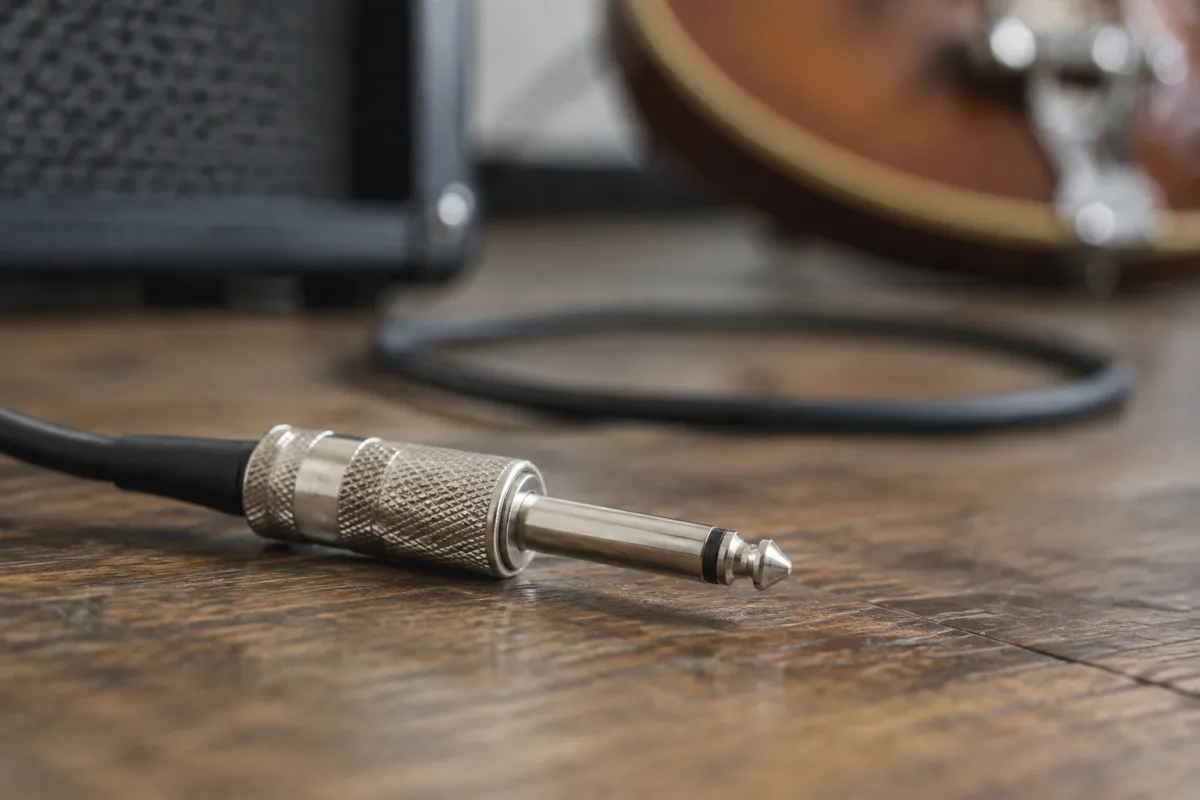
A TS cable is simply an instrument cable—the shielded cord that connects your guitar or bass to an amplifier. If you're buying your first cable, you might wonder what the difference is between a £3 cable and a £20 cable. This guide focuses on specs to check, pitfalls to avoid, and what actually matters when you're choosing a TS cable.
What Is a TS Cable?
TS stands for Tip-Sleeve—a connector type with two contacts (the tip carries signal, the sleeve is ground). TS cables are standard instrument cables for guitars, basses, and keyboards. They're different from XLR cables (used for microphones) or TRS cables (stereo headphones). When you see "instrument cable" or "guitar cable," it's almost always TS.
Price Tiers: What You Get at Each Level
Budget: £3–£10 (Generic / No-Name Cables)
Ultra-cheap cables found at every music store. They work—a signal passes through—but build quality is poor. Connectors are often loose, shielding is thin, and they fail frequently. The cable might work fine for a week then start crackling, cutting out, or dying entirely. You'll replace it within a year. These are false economy—you save £5 upfront but lose time and reliability.
Pros: Cheap, works initially.
Cons: Fails frequently, poor build quality, loose connectors, unreliable shielding.
Mid-Range: £10–£25 (Quality Brands: Fender, Mogami, Neutrik)
These are proper instrument cables with quality connectors, thick shielding, and durable jacket materials. A cable in this range works reliably for years. Brands like Fender, Mogami, and Monster are industry standard because they're built to last. Most gigging musicians use mid-range cables. This is where the value-for-money lives.
Pros: Reliable, built to last, good shielding, quality connectors, reasonable cost.
Cons: More expensive than budget, slightly overkill for bedroom players.
Premium: £25–£60 (Premium Brands: Monster, Evidence Audio)
High-end cables with exceptional shielding, oxygen-free copper, and design optimised for signal integrity. These cables are used by touring musicians and studio professionals. The difference in sound is subtle but real—less noise, clearer signal. If you're recording or gigging, premium cables are worth it. If you're playing at home, the improvement is barely noticeable.
Pros: Exceptional build quality, minimal noise, better signal, lasts decades.
Cons: Expensive, overkill for casual players, minimal audible difference to untrained ears.
Specialty: £60+ (Vintage Re-Issues, Exotic Materials)
Handmade cables, vintage reproductions, or cables made from exotic materials. These are collector's items or for players with very specific needs. The sonic improvement over premium cables is negligible. You're paying for rarity and prestige, not functionality.
Pros: Unique, beautiful, collectable.
Cons: Very expensive, no meaningful sonic benefit over mid-range, unnecessary for almost all players.
Key Specs to Check When Buying
Cable Length
20 feet (6 metres) is standard and works for most setups. Shorter cables (10 feet) reduce signal loss and clutter; longer cables (30+ feet) are useful only if your amp is far away. Don't buy longer than you need—every extra foot of cable increases the chance of noise and signal degradation.
Connector Type
TS (Tip-Sleeve) has two rings on the connector; TRS (Tip-Ring-Sleeve) has three. Instrument cables are TS. Make sure you're not accidentally buying a TRS mic cable.
Shielding Quality
The braided or wrapped layer around the cable's inner conductor. Good shielding blocks electromagnetic interference. Budget cables have thin shielding; quality cables have thick, dense shielding. You can't see this in a photo, but you'll feel it—the cable should be slightly stiff and substantial.
Connector Fit
Connectors should fit snugly into your guitar's jack and amp input. Loose connectors create crackling, cutting out, or intermittent sound. In person, try inserting and removing the plug—it should feel solid, not loose or wiggly.
Cable Flexibility
A cable that's too rigid is annoying to route and store. A cable that's too flimsy feels cheap and won't last. Mid-range cables strike a balance—flexible enough to coil, stiff enough to feel durable.
Pitfalls to Avoid
- Buying the cheapest cable you find: A £3 cable that fails after two weeks wastes time and money. Budget at least £10–£15.
- Assuming all TS cables are identical: They're not. Connector quality and shielding vary dramatically. Feel the cable in your hands—cheap cables feel thin and plasticky.
- Buying too long a cable "just in case": Every extra foot of cable increases noise and signal loss. Buy what you need (usually 20 feet), not what you might need someday.
- Confusing TS with TRS or XLR: TS is instrument cables. TRS is stereo/balanced. XLR is microphones. Buy the right type.
- Ignoring connector wear: If a used cable has a bent connector or loose jack, pass. You can't reliably fix connector damage.
- Storing cables badly: Coiling tightly or folding sharply damages the internal conductor. Coil loosely and store flat. A cable lasts longer with proper care.
- Not testing the cable in person before buying: If buying in a shop, plug it into a guitar and amp and try it. Listen for noise or crackling. If buying online, check return policies.
Your Buying Checklist
- Decide the length you need (20 feet is standard; measure your actual distance).
- Confirm the connectors are TS (two-ring), not TRS or XLR.
- Choose a brand with good reviews (Fender, Mogami, Monster, Evidence Audio).
- Feel the cable in your hands—it should feel substantial, not thin or plasticky.
- Try connecting it to your guitar and amp (if buying in person).
- Listen for crackling or noise—a quality cable should be silent.
- Check connector fit—plugs should be snug, not loose.
- If buying online, verify return policy in case the cable doesn't work or fit your connectors.
The Bottom Line
Buy a TS cable in the £10–£25 range from a recognised brand. It will last years, sound clean, and work reliably. Cheaper cables fail quickly; more expensive cables offer minimal improvement for casual players. A single good cable in your gig bag saves countless headaches on stage or in the studio.
For a deeper technical overview of TS cables and cable types, read our guide: The Complete Guide to TS Cable.



Comments