


Ambient Reverb Pedal article
Ambient Reverb Pedal for Beginners: A Complete Guide
A beginner's guide to ambient reverb pedals: understand reverb effects, discover why ambient reverb is advanced rather than essential, and learn when to explore spacious reverb tones.
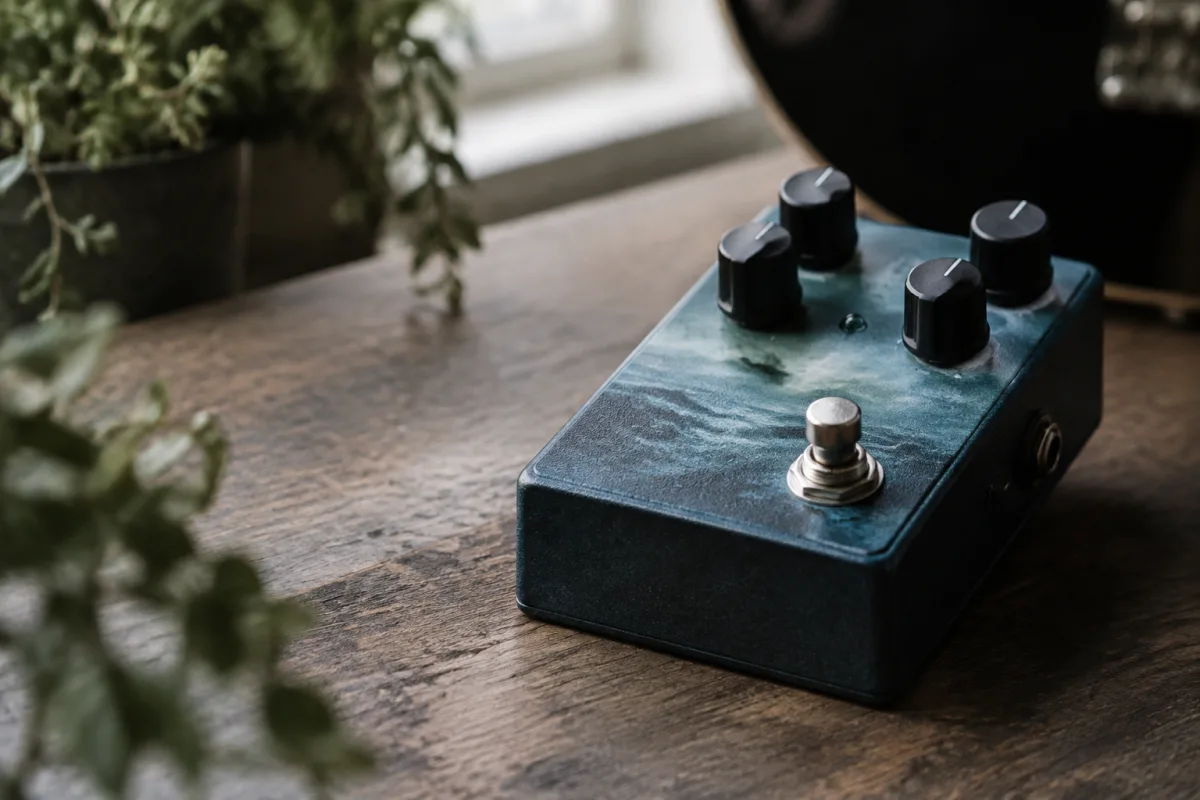
If you're exploring guitar effects pedals and stumbled upon ambient reverb pedals, you might wonder if they're essential or just a niche effect for experimental musicians. The truth is more nuanced. Ambient reverb pedals aren't necessary for most beginners, but understanding them opens doors to creating spacious, atmospheric tones that transform your playing. This guide demystifies ambient reverb for newcomers, explaining what reverb does, how ambient reverb differs from standard reverb, why beginners often overlook it, which pedals suit learners, and how to use reverb musically without drowning your tone. For deeper technical knowledge, explore our complete guide to ambient reverb pedals once you're ready to dive into specialised effects.
What Is Reverb and Why Does Ambient Reverb Matter?
Reverb is an effect that simulates the sound of your guitar being played in different spaces—concert halls, cathedrals, small rooms, outdoor areas. When you play guitar in a living room, the sound bounces off walls and you hear natural reverb. When you play in a cathedral, that reverb is massive and lush. A reverb effect electronically simulates these acoustic spaces. Most guitar amplifiers include basic reverb built-in, which is adequate for most players. Ambient reverb pedals are specialised reverb units that focus on creating spacious, atmospheric, long-decay reverb sounds. Standard built-in amp reverb is short and practical. Ambient reverb is expansive and experimental. This difference matters if you're drawn to atmospheric, dreamy, or experimental guitar tones.
How Ambient Reverb Differs From Standard Reverb
Understanding the distinction helps you decide if ambient reverb appeals to you:
- Decay length: Standard reverb decays (fades away) in 1-2 seconds. Ambient reverb sustains for 5-30+ seconds, creating lush washes of sound. This extended tail is the defining characteristic.
- Tone character: Standard reverb sounds like a real acoustic space. Ambient reverb often sounds otherworldly or synthesizer-like. It's designed to inspire rather than simulate realism.
- Musical application: Standard reverb enhances clarity and adds depth to everyday playing. Ambient reverb is an instrument unto itself—it's used to create soundscapes, pads, and experimental textures.
- Complexity: Standard reverb has basic controls (amount, sometimes tone). Ambient reverb pedals include depth controls, reverse effects, shimmer effects, and more complex parameter shaping.
- Cost: Standard reverb is cheap or free (built into amps). Ambient reverb pedals are specialised tools costing 150-600 pounds.
Why Most Beginners Don't Need Ambient Reverb Immediately
Here's the honest assessment: ambient reverb is not a beginner essential. It serves specific musical contexts:
Genres where it matters: Post-rock, ambient, experimental electronic music, shoegaze, and experimental indie rock make heavy use of ambient reverb. If you play rock, blues, punk, or metal, standard reverb (built into your amp) is sufficient.
Skill requirement: Using ambient reverb effectively requires understanding how reverb interacts with your tone, your amplifier, and your playing technique. Beginners often struggle with this, resulting in muddy, washed-out tones. It's better to master core playing first.
Cost-benefit analysis: Spending 200-300 pounds on a specialised effect you're not sure you need is poor resource allocation. Beginners benefit more from investing in a quality amplifier or base effects like overdrive or delay.
Learning curve: Ambient reverb pedals are complex. Understanding how to integrate them musically takes time and ear training that beginning players don't yet have.
This doesn't mean you should never explore ambient reverb—just that it's a later-stage exploration, not a first-year purchase.
Best Ambient Reverb Pedals for When You're Ready
If you become interested in ambient sounds later in your playing journey, these pedals are beginner-friendly options:
Boss RV-6 or RV-500: Boss's reverb pedals are industry standards. They include ambient reverb algorithms alongside standard reverbs. The RV-6 is affordable (150-200 pounds) and straightforward. The RV-500 is more complex and expensive (400+ pounds).
Eventide Space: A professional-grade ambient reverb pedal at 350-400 pounds. It's complex but incredibly powerful. Worth considering once you're serious about experimental tones.
Hall of Fame Reverb by TC Electronic: An elegant, beginner-friendly reverb pedal with good ambient algorithms. Around 200-300 pounds.
Mooer E7: A budget-friendly ambient reverb option at 120-150 pounds. Surprisingly good for the price, though less deep than premium options.
Common Beginner Mistakes With Ambient Reverb
If you explore ambient reverb before you're ready, avoid these errors:
Using too much reverb: The most common mistake. Beginners think "more reverb = better." In reality, subtle reverb sounds professional; heavy reverb sounds amateurish. Less is always more with reverb.
Burying your tone: Ambient reverb can completely obscure your original tone if applied heavily. You should always hear the core guitar sound with reverb as accompaniment, not the main event.
Ignoring your amplifier's reverb: Most combo amps include built-in reverb. Beginners sometimes add an ambient reverb pedal without realising the amp already provides reverb, resulting in over-processed tone.
Not considering your amplifier type: Ambient reverb pedals interact differently with solid-state amps versus tube amps. Some combinations sound musical; others sound harsh. Experimentation is required.
Abandoning clarity for effect: Some beginners get seduced by ambient reverb's spacious sound and stop prioritising tone clarity. Music needs both effect and articulation. Balance is essential.
Using reverb as a crutch: Instead of improving your playing technique, some beginners hide behind heavy reverb. Reverb should enhance clear tone, not mask poor technique.
When You're Ready: Getting Started With Ambient Reverb
If and when you explore ambient reverb, here's how to approach it:
Start with your amp's built-in reverb: Before buying a pedal, fully explore the reverb built into your amplifier. Learn how reverb interacts with volume, tone controls, and your playing.
Choose one pedal and commit: Don't jump between multiple reverb pedals. Select one and spend months with it. Understanding reverb deeply on one pedal teaches you how reverb works generally.
Use subtle amounts initially: Set the reverb level to 25-35% initially. This feels insufficient at first but forces you to appreciate both the dry signal and the effect. Gradually increase only when you're confident.
Record yourself: Use the USB output of your amp or an audio interface to record reverb explorations. Hearing reverb in recordings is different from hearing it in real-time. Recording reveals mistakes quickly.
Learn the reverb types: Most ambient reverb pedals include multiple reverb algorithms (room, hall, plate, spring, reverse, shimmer, etc.). Explore each and understand how they differ.
Combine with other effects later: Once comfortable with reverb, explore combinations with delay or modulation. Complex effects stacking requires solid foundation with each effect individually.
Conclusion: Ambient Reverb Is Advanced, Not Essential
Ambient reverb pedals are beautiful, inspiring tools that suit specific musical styles and advanced players. Beginners benefit more from mastering core effects (overdrive, compression, delay) and developing solid tone fundamentals. When you progress to the point where ambient, atmospheric textures appeal to you, ambient reverb pedals will be there waiting. For now, appreciate the reverb built into your amplifier, focus on technique and tone clarity, and revisit ambient effects later when they serve your musicianship rather than distract from it.



Comments