


Ambient Reverb Pedal Buying guide
Ambient Reverb Pedal: A Complete Buyer's Guide
An ambient reverb pedal creates lush, spacious tones—but buying the wrong one wastes money. This guide covers decay time, pre-delay, and how to test quality.
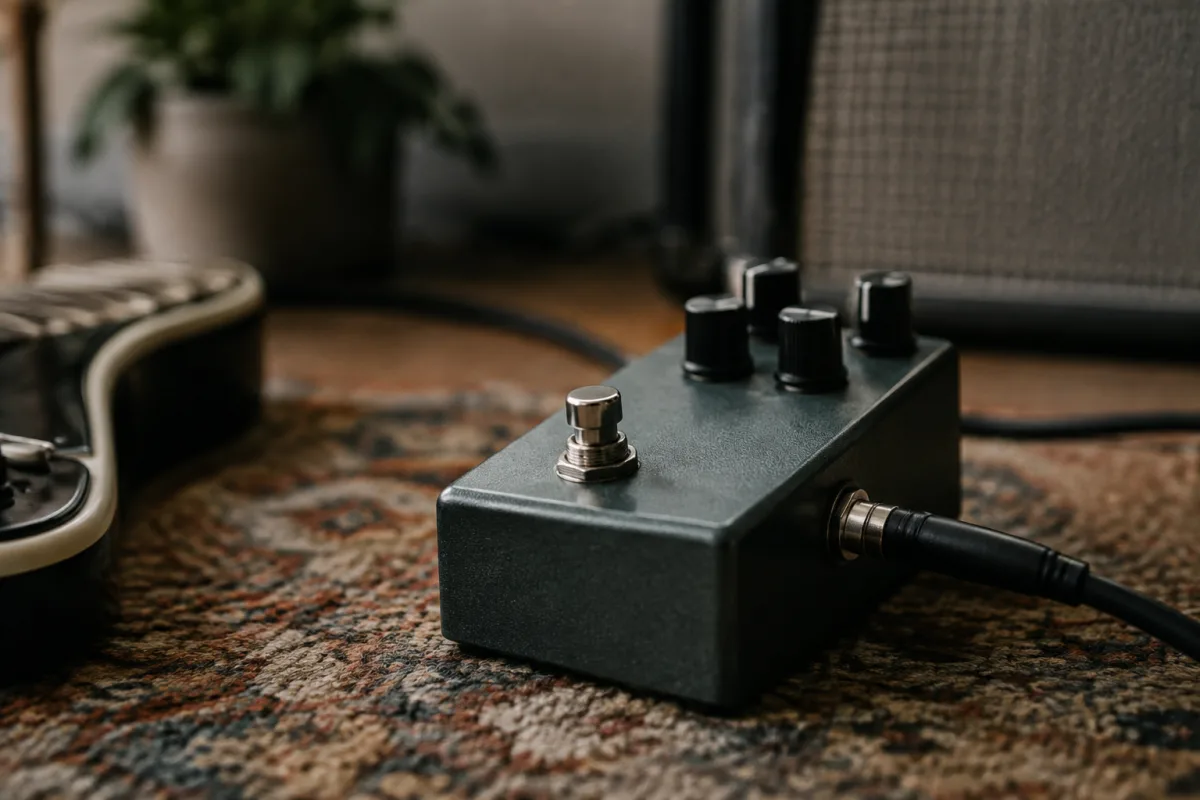
An ambient reverb pedal transforms your guitar into a landscape painter. But buying the right one means understanding what separates a useful reverb from atmospheric overkill. This guide shows you exactly what to evaluate when purchasing an ambient reverb pedal, from algorithm quality to decay characteristics, so your investment creates lush, usable space rather than unsalvageable wash.
Types of Reverb and Their Use Cases
Before shopping, know that reverb comes in categories. An ambient reverb pedal focuses on specific types:
- Spring Reverb—Warm, vintage character. Originally found in tube amps. Sounds organic but can ring unpredictably.
- Plate Reverb—Lush, dense space. Classic studio sound. Dense and controllable.
- Hall Reverb—Large, cathedral-like spaces. Grand and soaring. Excellent for ambient texture.
- Room Reverb—Small, intimate space. Subtle and musical. Great for everyday playing.
- Shimmer Reverb—Pitch-shifted reverb tails. Ethereal and dreamy. Specialty algorithm for experimental players.
An ambient reverb pedal typically includes several algorithms so you can choose appropriate space for your musical context. Flexibility is essential.
Critical Specs: Decay Time and Pre-Delay
When evaluating an ambient reverb pedal, these two specs define playability:
Decay Time
How long the reverb tail rings after you stop playing. Ambient reverb demands decay times of 5–10+ seconds. Shorter decay times feel like standard room reverb (fine but not ambient). Excessive decay (15+ seconds) risks muddiness if your playing isn't sparse. Look for adjustability from 1 second to at least 8 seconds.
Pre-Delay
The gap between your dry signal and the first reverb reflection. Long pre-delays (100–500ms) create space and separation. Short pre-delays feel tight and integrated. An ambient reverb pedal should offer variable pre-delay—critical for creating distinction between your playing and the ambient wash.
Comparing Popular Ambient Reverb Pedals
| Pedal | Price | Strengths | Considerations |
|---|---|---|---|
| Boss RV-6 | £150–200 | Eight algorithms, user-friendly controls, reliable | Limited decay time (max 6 seconds); not maximally ambitious |
| TC Electronic Hall of Fame 2 | £180–250 | Premium algorithms, 24-bit processing, TonePrint customisation | Menu-diving required for deep editing; pricier |
| Strymon Blue Sky | £280–350 | Legendary reverb algorithms, long decay, studio quality | Expensive; overkill for casual players |
| Boss RV-500 (Multi-Effects) | £350–450 | Endless reverb algorithms, deep customisation, professional quality | Complex menu system; more than most buyers need |
Algorithm Quality: The Difference Between Good and Great
Cheap ambient reverb pedals use basic algorithms that sound tinny and digital. Premium units employ sophisticated processing that sounds organic and natural. How do you evaluate this?
- Listen for smooth decay tails. Cheap algorithms produce choppy, stepped decay. Premium versions sustain smoothly.
- Test with long pre-delay. Quality algorithms maintain clarity with large pre-delays. Cheap ones muddy.
- Play a slow sustain note. Hear how reverb develops over time. Premium algorithms evolve and develop; cheap ones stay static.
Practical Buying Considerations
- Number of Algorithms—More choice is good (8–16 algorithms) but not essential. Five well-designed algorithms are better than twenty mediocre ones.
- Control Layout—Ambient reverb is often adjusted in real-time during performance. Knobs are better than menu-diving. Test ergonomics in the shop.
- Bypass Options—True bypass (signal completely disconnected when off) or buffered bypass (always in signal chain)? Test to hear tone coloration when pedal is off.
- Footswitch Options—Can you toggle between presets mid-song? Essential for gigging.
- Power Requirements—Most reverb pedals need more than 100mA of current. Check your power supply capacity before buying.
Common Beginner Mistakes When Buying Ambient Reverb Pedals
- Buying based on brand name alone. Popular doesn't equal best for your use. Test multiple brands side-by-side.
- Ignoring decay time limits. A reverb that maxes out at 3 seconds isn't truly ambient. Verify minimum 5–8 second decay.
- Overlooking mix control. A dry/wet knob is essential—lets you blend ambient effect with your playing. Non-negotiable.
- Not testing with your actual amp and guitar. Shop conditions are misleading. Reverb reacts differently to different signal chains. Borrow a friend's pedal or buy used (with return option) to test compatibility.
- Expecting one pedal to do everything. Most ambient reverb pedals are pure reverb. If you need delay too, buy a multi-effects unit or separate delay pedal.
Use Cases: Where Ambient Reverb Shines
- Post-rock and experimental music—Layered, textured guitars need ambience.
- Ambient and drone players—Reverb is the primary effect. Invest here.
- Church and worship leading—Lush reverb creates sacred space.
- Jazz improvisation—Subtle ambient reverb adds sophistication.
Budget Guidance
Entry-level ambient reverb: £80–150. Mid-range (recommended): £180–300. Premium boutique: £300+. For most players, mid-range represents optimal value. Budget options work but limit decay time and algorithm quality. Premium options are specialty purchases.
Testing in the Shop
- Play a sustained note and listen to decay for 10+ seconds. Does it sustain smoothly or degrade into noise?
- Adjust pre-delay and hear the effect. Good pedals show obvious, musical differences.
- Test mix control at 100% wet signal. Does your note disappear completely or fade naturally?
- Play through several algorithms. Find at least two you love.
Making Your Purchase Decision
An ambient reverb pedal is a long-term companion if you buy quality. Mid-range options (Boss RV-6, TC Electronic Hall of Fame 2) offer excellent balance of algorithm sophistication and user-friendliness. Test thoroughly before committing. Your buying choice will define the sonic character of your playing for years.
Explore advanced reverb techniques and specialty algorithms in our comprehensive guide to understand how professionals shape ambient spaces.



Comments