


Tuning for Soprano Ukulele article
Tuning For Soprano Ukulele for Beginners: A Complete Guide
Tuning a soprano ukulele intimidates many beginners, but it's genuinely straightforward. This guide walks through the process step by step, from getting a tuner to achieving perfect pitch every time.
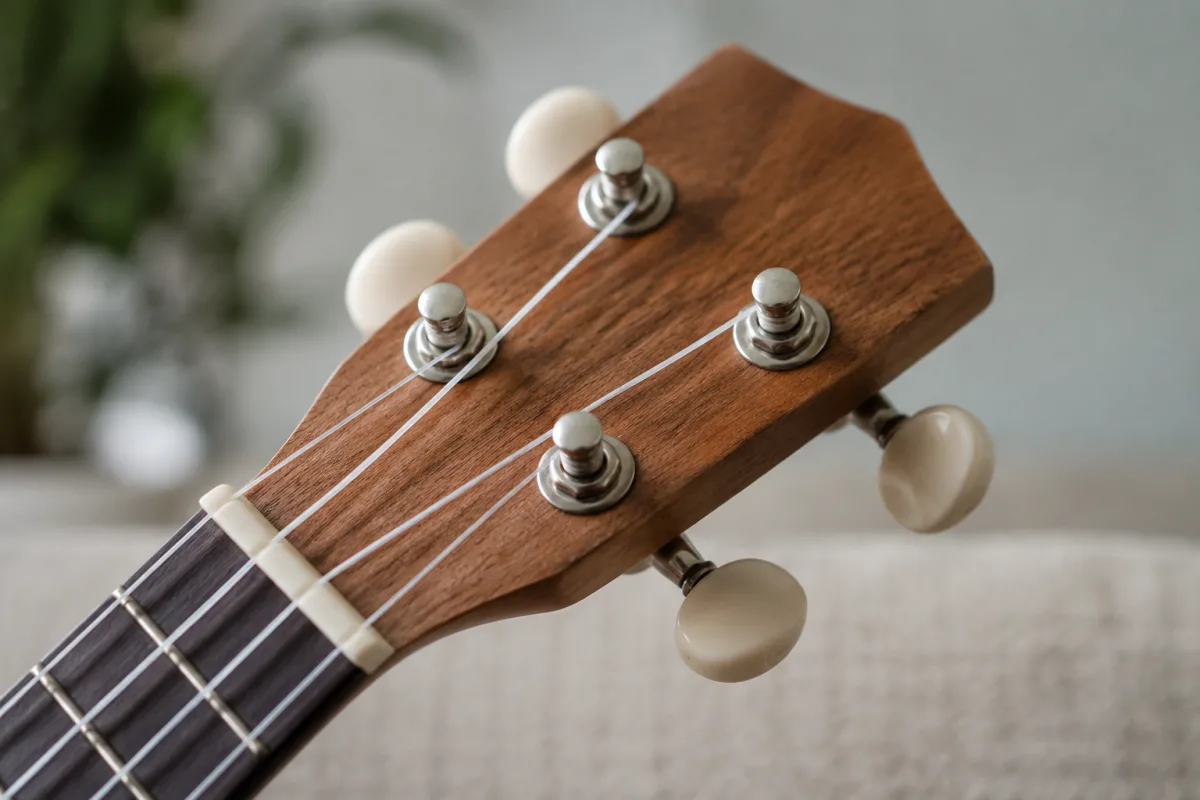
Tuning a soprano ukulele intimidates many beginners. Four strings, mysterious-sounding notes, and fear of breaking something by turning the pegs too far. Take heart: tuning a soprano ukulele is genuinely straightforward, and it's one of the few tasks every player must master. This guide walks you through the process step by step, from understanding your tuning pegs to getting a perfectly tuned instrument you can play with confidence.
Why Tuning Matters
An out-of-tune soprano ukulele sounds awful — harsh, muddy, discouraging to play. New players sometimes assume the instrument is broken when it's simply out of tune. Getting your soprano ukulele in tune is the foundation of enjoyable playing. It takes 30 seconds. Once you learn the process, you'll tune by habit before every practice session, the way guitarists do. An in-tune ukulele sounds bright, clear, and musical — immediately rewarding and motivating.
Standard Tuning for Soprano Ukulele
A soprano ukulele in standard tuning has four strings pitched to: G-C-E-A from top (thickest) to bottom (thinnest). That sequence is peculiar to ukuleles; no other instrument uses it. Don't try to memorise the notes; just remember the pattern. Beginners often think this tuning is strange, but it's universal across the ukulele world. Once you've tuned three times, muscle memory takes over and you won't think about it.
Getting a Tuner
You need a tuner to get your soprano ukulele in tune accurately. The simplest and cheapest option is a smartphone tuner app — download one free from your phone's app store. Hold your phone near the ukulele's sound hole and pluck each string one at a time. The app shows whether each string is sharp (too high), flat (too low), or in tune. Clip-on tuners (small devices that clip to the headstock) work brilliantly and cost £10–£30; they're immune to ambient noise and ideal for gigs. Whichever you choose, trust the tuner's reading. Your ear alone will improve over time, but starting with a tuner builds correct habits.
The Tuning Pegs Explained
A soprano ukulele has four tuning pegs at the headstock (the decorated end of the neck). Each peg controls one string's pitch. Turn the peg clockwise to tighten the string (raise pitch); turn counter-clockwise to loosen it (lower pitch). The motion is smooth and effortless. Beginners often fear over-tightening and breaking the string. In reality, ukulele strings are tough — you'd need to yank with genuine force to snap one. Trust the mechanical system. Tuning pegs are designed to be foolproof.
Tuning Step by Step
First, pluck the top string (the thickest one, nearest your face when holding the soprano ukulele). Open your tuner app or clip-on tuner and aim it at the sound. The tuner displays the note and whether it's sharp or flat. If it's flat (lower than it should be), turn the peg slightly clockwise. Pluck again and check. Repeat, making small adjustments, until the tuner shows the string is perfectly in tune. Now move to the second string. Repeat the process. Continue for strings three and four. Total time: 30 seconds, maybe a minute your first time. That's it.
The Soprano Ukulele's High Reentrant Tuning
Here's something unique about soprano ukulele tuning: the G string (the fourth, thinnest string) is actually higher in pitch than the C string, even though it's physically thinner. This seems backwards at first. Beginners expect thinner strings to sound higher, which is true for guitar, but the soprano ukulele deliberately uses this high G to create its distinctive bright, cutting sound. Don't worry about understanding why; just accept the standard tuning as it is. Your ears will adjust after a few days of playing, and you'll love the sound.
Checking Your Tuning by Ear
After weeks of playing an in-tune soprano ukulele, your ear develops reference. You'll start noticing when tuning has drifted (strings naturally go flat gradually). At that point, you can check tuning by ear: pluck two strings simultaneously and listen for rough beating or wobbliness (a sign they're not quite together). Use your tuner to verify, then fine-tune by peg adjustment. Most beginners develop this skill within a month. For now, trust your tuner completely.
When to Retune
A soprano ukulele drifts out of tune over hours of playing, especially if it's new. Temperature and humidity changes also affect tuning. Check your tuning: at the start of every practice session, before recording, and before performing. Make it a habit, like guitarists do. If you're playing casually at home, retuning every few hours is sufficient. For recording or gigging, retune immediately before you start. This takes negligible time and makes an enormous difference to sound quality.
Common Beginner Mistakes
Don't assume your soprano ukulele is broken if it sounds bad — it's usually just out of tune. Don't force tuning pegs; they turn smoothly with minimal effort. If a peg feels stuck or gritty, stop and check (most are simply stiff when new, not actually broken). Another mistake: tuning by ear without a reference tone. It's tempting to skip the tuner and "just listen," but without experience, you'll consistently tune incorrectly. Use a tuner. Your ear will train eventually; until then, instruments lie less than intuition does.
New Strings & Tuning Stability
When you first get a soprano ukulele or replace strings, expect tuning to drift for the first few hours. New strings stretch as they settle. You'll tune perfectly, play for 20 minutes, then find it's gone flat. This is normal and temporary. Retune as needed. After a few hours of playing, new strings stabilise and hold tuning much better. If a ukulele is constantly going out of tune even after strings have settled, ask a technician to check the pegs or bridge — something might be loose. But new ukuleles and new strings always need this initial settling period.
Moving Forward
Once you've tuned your soprano ukulele a few times, the process becomes second nature. You'll retune without thinking, the way experienced musicians do. Tuning is not a hurdle; it's the gateway to making music. If you want deeper information about soprano ukulele tuning variations, alternative tunings, and advanced techniques, our complete guide to tuning a soprano ukulele covers the full spectrum in detail.
Conclusion
Tuning a soprano ukulele is simple once you know the steps. Get a tuner, remember G-C-E-A, and adjust each peg until the tuner confirms it's in tune. Thirty seconds, every session. An in-tune ukulele sounds bright and rewarding — the foundation of joyful playing.


Comments