


Tuning for Soprano Ukulele Buying guide
Tuning For Soprano Ukulele: A Complete Buyer's Guide
Choosing the right tuner for soprano ukulele affects tuning accuracy and playing ease. This buyer's guide covers tuner types, key specs, price ranges, and common mistakes.
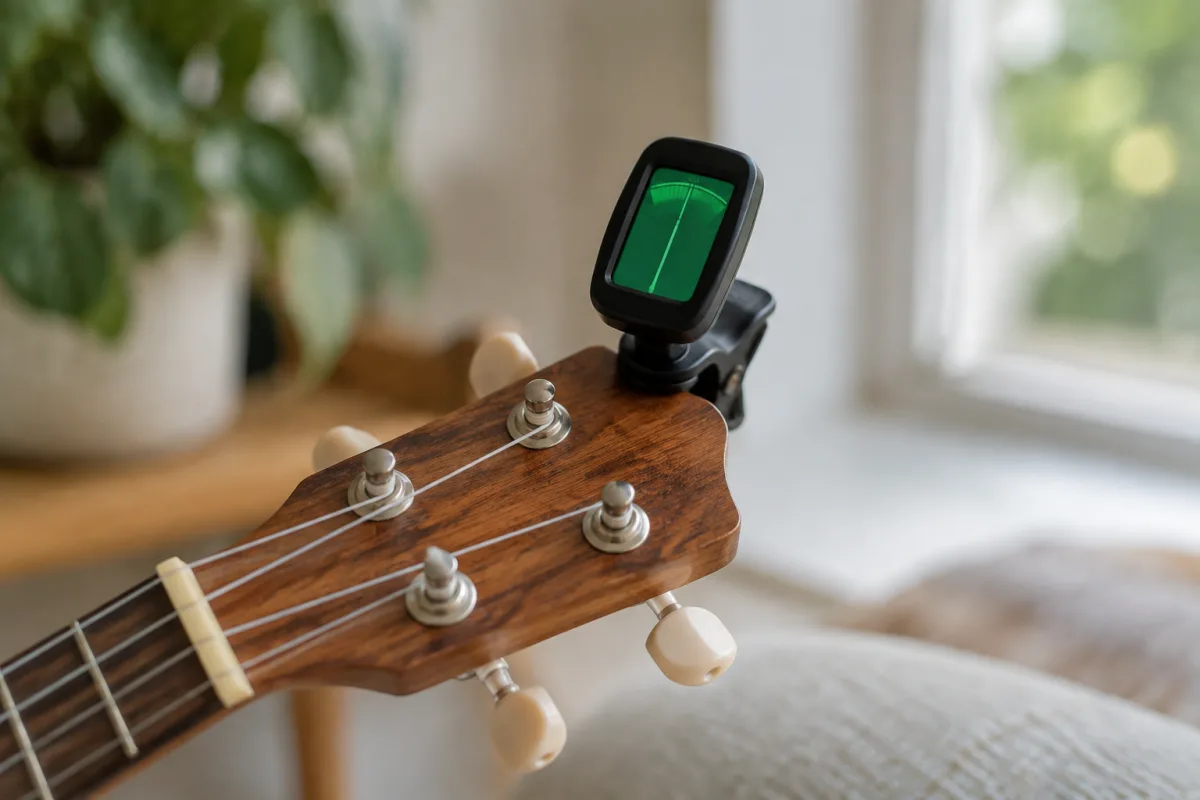
When you buy your first soprano ukulele, one of the first practical questions is: how do I keep it in tune, and which tuning tool should I get? Tuning for soprano ukulele is simple once you have the right equipment, but choosing between clip-on tuners, electronic tuners, tuning apps, and other methods requires understanding what each option offers, what matters for your playing situation, and where your budget is best spent. This guide focuses on selecting the right tuning solution for your soprano ukulele—not how to tune (that's technique), but how to choose the tool that makes staying in tune reliable and easy.
Why Your Choice of Tuning Method Matters for Soprano Ukulele
Soprano ukuleles have four strings with a distinctive bright, cheerful tone. Unlike guitars, they're small, and their strings are quite close together. The tuner you choose should accommodate this compact design, respond quickly to the soprano's high frequencies, and fit smoothly into your playing routine. A tuner that works brilliantly for guitar might be awkward on a small soprano. Understanding your options before you buy saves frustration later.
Additionally, soprano ukuleles are portable instruments. You might play at home, at beach gatherings, at jam sessions, or in your car. Your tuning method should match your mobility and performance style. A standalone electronic tuner works great at home; a clip-on tuner works everywhere. A tuning app on your phone is free but requires internet. Each has trade-offs worth understanding.
Types of Tuners for Soprano Ukulele
- Clip-on chromatic tuners: Small tuners that clip onto the headstock of your ukulele. Detect vibration directly from the instrument. Typically £10–£30. Perfect for beginners and gigging players. Works in any environment, no battery drain over time (most use small batteries lasting months). Recommended choice for soprano ukulele.
- Headstock tuners with display: Clip-on tuners with a screen you can see during playing. Usually £15–£40. More convenient than clip-on tuners requiring you to look directly at the clip. Good for accurate tuning.
- Pedal tuners: Foot pedals with tuning displays. Usually £30–£150. Designed for performing musicians, especially those who switch instruments. Overkill for soprano ukulele unless you gig professionally.
- Tuning apps: Free software on your phone using the device's microphone. Costs nothing (though apps with extra features cost £2–£5). Works anywhere with your phone. Accuracy varies wildly. Good for occasional players or testing tuning ability.
- Tuning forks or pitch pipes: Traditional acoustic tools that sound a reference pitch. Very cheap (£3–£8). Require trained ears and working knowledge of intervals. Best for experienced musicians, not beginners.
For most soprano ukulele players, a clip-on chromatic tuner (£10–£30) is the sweet spot: accurate, reliable, portable, and affordable.
Key Specifications to Check When Buying a Tuner
Accuracy: Look for tuners claiming ±0.5 cents accuracy or better. Anything less is less precise. For soprano ukulele, excellent accuracy matters because the strings are close together and errors compound.
Response speed: The tuner should respond instantly to plucked strings. Slow tuners frustrate players. Test in a shop if possible; real-time responsiveness is noticeable.
Display readability: For clip-on tuners, the display should be easy to see from playing position. Bright, clear LED displays work best. Avoid tuners with tiny screens or dim displays.
Chromatic capability: All modern tuners include chromatic mode (tuning to all 12 pitches). Don't settle for ukulele-specific-only tuners; chromatic lets you tune any instrument and adjust if you use alternate tunings.
Battery life and type: Clip-on tuners using standard batteries last for months of regular playing. Rechargeable batteries require charging and occasional failure. Standard batteries are more reliable for casual players.
Build quality: Check that the clip feels secure and won't slip off the headstock. The display shouldn't rattle inside the housing. Metal components should feel sturdy, not cheap plastic throughout.
Price Tiers and What You Get
| Price Tier (GBP) | Tuner Type | Quality & Features | Best For |
|---|---|---|---|
| Free | Phone app | Variable accuracy. Microphone-based so affected by ambient noise. Convenient but less reliable than hardware. | Casual players, testing, zero budget |
| £3–£8 | Tuning fork/pitch pipe | Acoustic reference. Requires ear training. No electronics, very durable. Minimal accuracy without experience. | Experienced musicians, backup option |
| £10–£20 | Budget clip-on tuner | Basic but reliable. Accurate to ±1 cent. Works perfectly for soprano ukulele. Standard display. Good build quality. | Beginners, students, casual players (best value) |
| £20–£40 | Mid-range clip-on tuner | Accurate to ±0.5 cents. Better display, brighter LED. Faster response. Enhanced build quality. Professional-grade reliability. | Regular players, gigging musicians, perfectionists |
| £40–£150 | Pedal tuner or premium clip-on | Multiple tuning modes, ultra-fast response, sophisticated display. Professional studio or stage use. | Professionals, multi-instrument players |
For soprano ukulele, the £10–£20 clip-on tuner range offers brilliant value and performance. Jumping to £40+ brings refinements you probably won't notice unless playing professionally.
Common Mistakes When Buying a Tuner
Mistake 1: Choosing a ukulele-specific tuner. Avoid tuners labeled "ukulele only." Chromatic tuners work on any instrument and offer more flexibility. Your investment stays valuable if you later learn guitar or pick up another instrument.
Mistake 2: Trusting phone apps as your primary tuner. They're convenient and free, but accuracy varies with microphone quality and background noise. They work for casual playing but frustrate serious players. Use apps as a backup, not primary.
Mistake 3: Buying a tuner with a dim or hard-to-read display. You'll use this tool constantly. A display you can't read comfortably during playing is false economy. Test readability in the shop.
Mistake 4: Choosing a loose or wobbly clip design. Clip strength matters enormously. If the clip feels weak or the tuner rocks on the headstock, it will annoy you every time you tune. Test the clip during purchase.
Mistake 5: Settling for a tuner that responds slowly to soprano ukulele's high strings. Soprano strings vibrate faster than guitar strings. A slow tuner is difficult to use. Test response speed if possible.
Mistake 6: Ignoring battery life on older models. Some vintage or cheap tuners drain batteries quickly. Check online reviews for battery longevity before buying used tuners.
Trying Before You Buy
If shopping in person, clip the tuner onto a soprano ukulele and pluck all four strings. Listen for quick response from the display. Check that you can read the display comfortably from playing distance. Test the clip strength by gently tugging the tuner. All these factors matter and are impossible to assess from product photos. Online purchases are riskier for tuners; buy from retailers with good return policies.
Budget-Friendly Approach
If you're just starting soprano ukulele and unsure about commitment, begin with a free tuning app on your phone. Once you've played regularly for a few weeks, buy a £15–£20 clip-on tuner. This approach minimises waste if the ukulele doesn't stick, and you'll quickly appreciate how much better a hardware tuner works. Most beginners upgrade from apps to clip-on tuners within a month of regular playing.
Moving Forward With Tuning
Keeping a soprano ukulele in tune is genuinely simple once you have the right tool. Invest £10–£30 in a reliable clip-on tuner, and you'll use it consistently for years. For more information about tuning techniques, maintaining tuning stability, and alternative tuning methods, read our complete guide to tuning for soprano ukulele.
Right now, focus on selecting a tool that feels reliable and works quickly for soprano ukulele's unique characteristics. Everything else—technique, frequency, consistency—flows naturally from having gear you trust. Buy once, tune confidently.


Comments