


Sitar Electric Buying guide
Sitar Electric: A Complete Buyer's Guide
An electric sitar bridges traditional Indian classical music with modern amplification. This guide covers electric sitar types, pickup systems, price ranges, and practical buying advice for different musical uses.
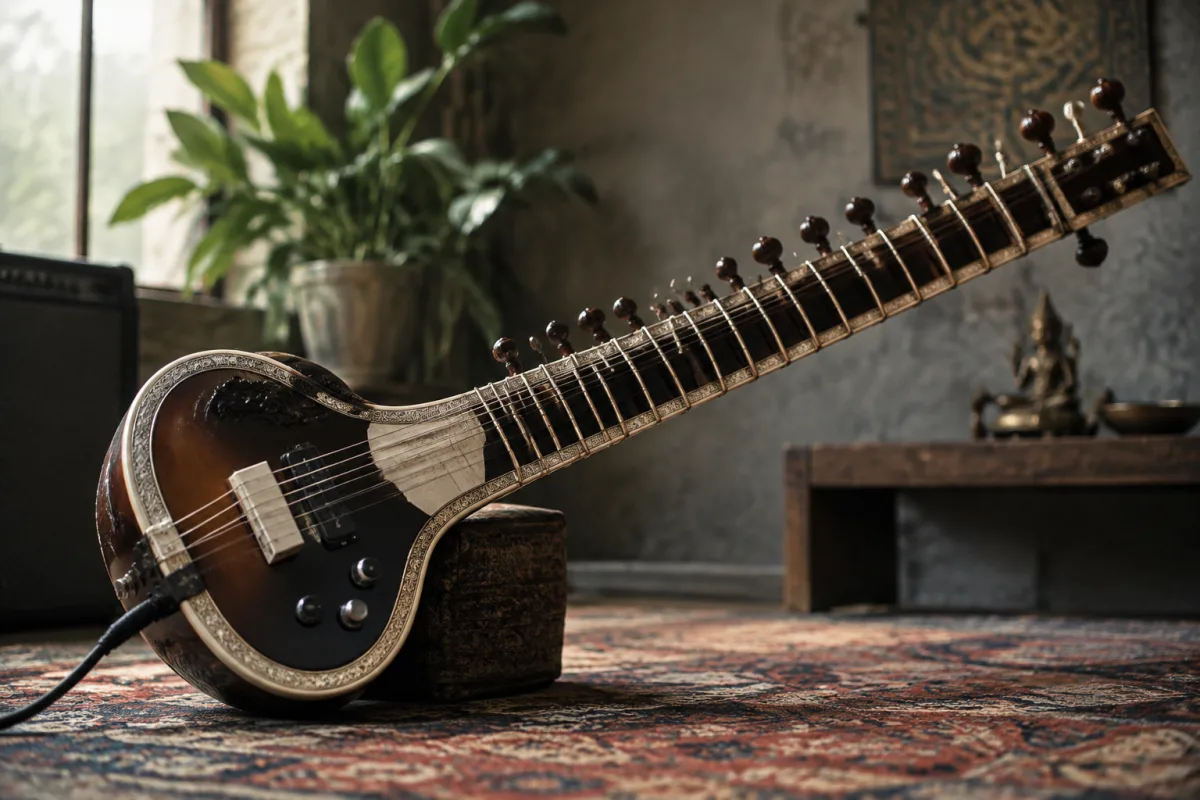
An electric sitar is a unique instrument that bridges traditional Indian classical music with modern amplification and electronic performance. Whether you're a world music enthusiast, a composer exploring sitar sounds, or a performer wanting to amplify an acoustic sitar, choosing an electric sitar requires understanding the different designs available and knowing which specs matter. This buying guide focuses on practical decisions: what types of electric sitars exist, how they're constructed, what price ranges to expect, and common mistakes that leave buyers disappointed.
Understanding Electric Sitar Types and Design
The term "electric sitar" covers different designs, and knowing the difference is crucial before shopping. A traditional acoustic sitar with an added piezo pickup is the most common type—it plays like a traditional sitar but sends signal to an amplifier or audio interface. This gives you authentic sitar playability with amplification flexibility. A semi-electric sitar is a hybrid designed to play unplugged or amplified, with a thinner, lighter body than full acoustic sitars. Finally, a modern electric sitar is a synthesiser-style instrument designed to produce sitar-like electronic sounds without requiring traditional sitar technique. Each serves different purposes. If you're studying classical Indian music, you want an acoustic sitar with a quality pickup system. If you're a composer or electronic musician, a modern electric sitar might be better. Understanding which category matches your actual needs prevents buying the wrong tool.
Pickup Systems: The Core Difference in Electric Sitars
The quality of an electric sitar's pickup system determines how well it translates the instrument's nuanced tone to amplification. Piezo pickups (contact pickups) are mounted under the main playing strings and capture the vibration directly. They're transparent, preserve natural sitar tone, and are standard on quality electric sitars. Magnetic pickups (like on electric guitars) don't work well with sitars because of the curved bridge design, so expect piezo-based systems. Higher-end electric sitar models use individual piezo elements under each main string, allowing separate control of each string's output—useful in electronic music production. Budget models use a single piezo under the main strings, which captures the ensemble sound but offers less control. The pickup's positioning relative to the bridge and strings affects tone significantly. Test different electric sitar models if possible to hear how the pickup colours the tone—some add brightness, others warm the signal, and some are more transparent.
Body Construction and Materials
Electric sitars vary in body construction more than acoustic sitars. Full-body sitars with sympathetic strings (the resonating strings under the main strings) are heavier and bulkier but offer the most authentic sitar character when amplified. Simplified body designs without sympathetic strings are lighter and easier to transport, making them popular for touring musicians. The material matters for tone—solid wood (typically teak or rosewood) produces warmth; laminated or composite materials are cheaper but sound thinner. If you're planning to perform live or record, investing in a solid-wood electric sitar pays off in tone quality. For bedroom experimentation or electronic music production, a budget model suffices. Check the neck construction—it should feel comfortable and be resistant to warping. A sitar neck under tension over years can develop a slight curve; quality construction and wood selection minimise this.
Amplification and Output Considerations
Electric sitars are designed for use with amplifiers, audio interfaces, or mixing consoles. Look for models with a standard quarter-inch jack output (not proprietary connectors). Some electric sitar models include onboard controls—a master volume and tone control—allowing basic sound shaping before the signal reaches your amp. Higher-end models might include a built-in preamp or equaliser, giving you more tonal flexibility without external gear. For live performance, a preamp on the electric sitar itself is valuable because you maintain tonal control even if the amp fails. For studio work, external processing via audio interface and software is more practical. Consider your performance context when choosing amplification features.
Price Tiers and Value for Electric Sitars
| Price Range | Typical Type | Pickup Quality | Build Quality | Best For |
|---|---|---|---|---|
| £300–600 | Budget acoustic with piezo | Basic single piezo | Composite body, simplified construction | Learning, bedroom recording, electronic music |
| £600–1,200 | Semi-electric or quality acoustic | Quality piezo system, often individual string pickups | Solid wood, refined hardware | Regular performance, recording, serious students |
| £1,200–2,500+ | Professional electric sitar | Premium multi-element piezo array | High-grade wood, professional hardware, onboard preamp | Touring musicians, studio professionals, orchestral work |
Budget electric sitars offer playability and basic tone, but the pickup system and build quality show their cost limitations. You'll hear the difference immediately when amplified—budget models can sound thin or harsh. Mid-range electric sitars represent the best value for most players—solid construction, reliable pickup systems, and enough tonal flexibility for recording and performance. Professional models justify their cost through superior materials, multi-channel pickup systems (allowing individual string processing in post-production), and build quality that survives touring.
Learning Curve and Accessibility
If you're new to sitar, an electric sitar adds complexity. A traditional sitar has a steep learning curve on its own; adding electronics doesn't help you learn the instrument faster. However, a quality electric sitar is easier to hear clearly (because it's amplified), which actually aids ear training. Budget for professional instruction if you're serious about learning sitar—the instrument requires technique that most Western musicians don't naturally have. If you're using an electric sitar for electronic music production without traditional technique, the learning curve is simpler. Modern electric sitars designed for synthesis often have simpler playing interfaces than traditional instruments.
Common Buying Mistakes with Electric Sitars
- Buying a budget model expecting acoustic sitar quality: Budget electric sitars sound thin and artificial when amplified. Invest in mid-range quality if tone matters.
- Assuming any sitar with a jack is amplifiable: Not all traditional sitars take pickups well. Retrofit pickups often sound worse than factory-installed systems. Buy an electric sitar designed as electric, not a acoustic sitar with aftermarket pickups.
- Ignoring cable noise: Sitars are noisy instruments—sympathetic string vibration, finger noise on the neck. A cheap cable picks up electromagnetic interference. Budget for a quality instrument cable and shielded audio interface.
- Confusing traditional sitar technique with electronic manipulation: If you buy an electric sitar for electronic music production, you don't need traditional training. But understand what you're buying—is it for classical learning or electronic experimentation?
- Underestimating weight and transport difficulty: Sitars are awkward to carry compared to guitars. If you gig, prioritise lighter designs or be prepared for difficult transport logistics.
- Skipping the tuning system: Traditional sitars require specialist tuning keys and knowledge. Electric sitars designed for Western musicians sometimes include guitar-style tuning systems. Know which system you're learning before buying.
Where to Buy and Testing Tips
Electric sitars are specialised instruments—general music shops rarely stock them. World music retailers, online specialists, and direct manufacturers are your best options. Many reputable online shops allow returns within 14–30 days, which is valuable because you need to test an electric sitar through your actual amplification before committing. When testing, listen for how the pickup translates the sitar's natural tone, check that individual strings can be heard clearly, and test the jack for noise (wiggle it while playing; quality jacks shouldn't produce crackling). If buying online without testing, prioritise retailers with good return policies and established reputations. Avoid unknown brands with no reviews.
An electric sitar is an investment in a specific sonic voice and cultural tradition. Whether you're learning classical Indian music or exploring sitar sounds in electronic production, choose an electric sitar designed for your actual purpose. Mid-range quality offers the best balance of tone and reliability; budget models disappoint when amplified. Test if possible, prioritise pickup quality and build materials, and be honest about whether traditional playing technique or electronic experimentation is your real interest. With the right choice, an electric sitar opens creative doors and connects you to centuries of musical tradition. For in-depth comparisons and maintenance guides, see our complete guide to electric sitars.


Comments