


Kids Ukulele Buying guide
Kids Ukulele: A Complete Buyer's Guide
A quality kids ukulele brings instant joy and opens the door to music-making. This buyer's guide helps you choose the right size, build quality and price tier for your child.
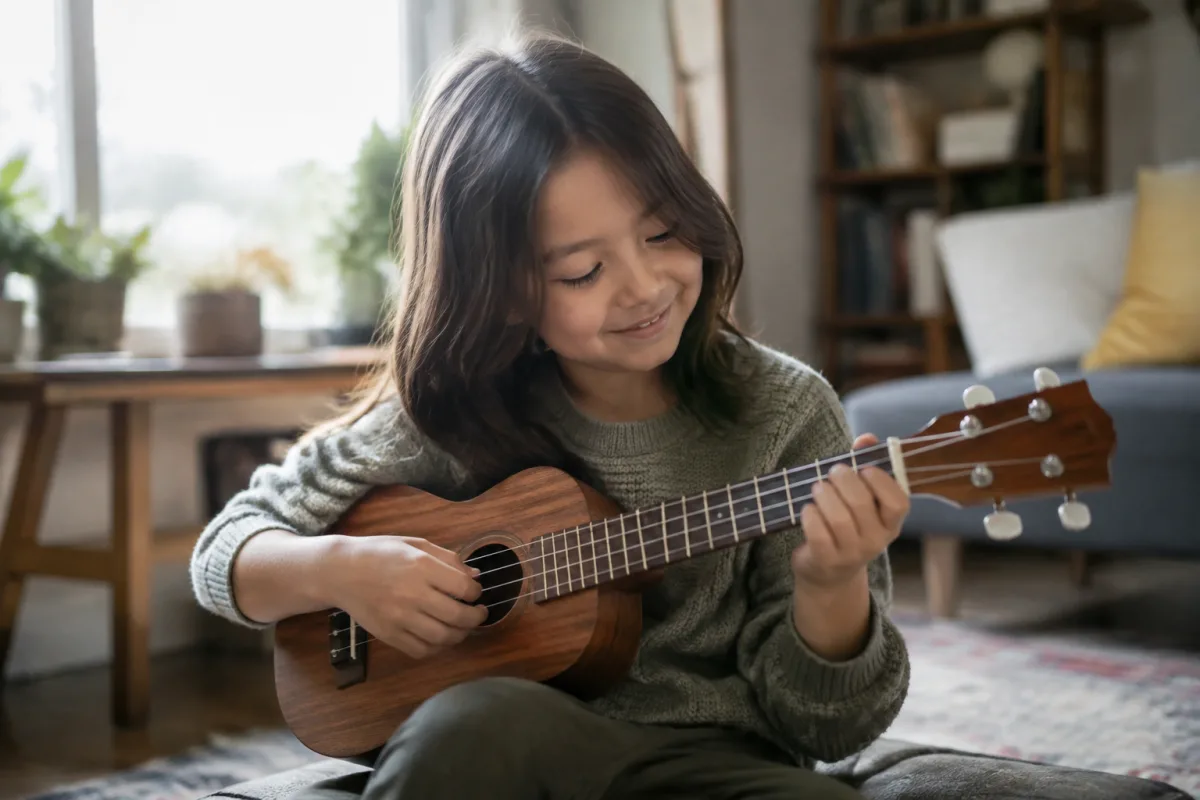
Buying a kids ukulele is a wonderful way to introduce a child to music and instrument playing. The ukulele's small size, approachable playing technique and fun, bright sound make it perfect for young learners. But not all kids ukuleles are created equally. Cheap, poorly built instruments frustrate children and can kill their enthusiasm before they've truly begun. This guide helps you understand what matters in a kids ukulele so you can choose an instrument that will bring genuine joy and encourage a lifelong love of music.
Why the Right Kids Ukulele Matters
A quality kids ukulele is easy to play, sounds good, and stays in tune. A cheap one is difficult to play, sounds tinny, and frustrates the child because tuning constantly. When learning guitar, piano or trumpet, beginners expect to struggle at first. With ukulele, even complete beginners can play simple, recognisable songs within an hour. A good kids ukulele preserves that magical first experience; a poor one spoils it immediately.
Size: Matching the Ukulele to Your Child
Kids ukuleles come in several sizes, and choosing the right one is critical:
- Soprano (around 53cm, 21 inches): The smallest and most iconic ukulele size. Perfect for children aged 4–8 with small hands. Bright, cheerful tone that's instantly recognisable. Most beginner kids ukuleles are soprano.
- Concert (around 58cm, 23 inches): Slightly larger, with a warmer, richer tone. Better for children aged 8–12 with medium-sized hands. Still playable by adults, though adult-sized concert ukuleles are different. A good transition instrument.
- Tenor (around 66cm, 26 inches): Approaching adult size. Deeper, more resonant tone. Suitable for older children (12+) or adults beginning the instrument. Less common for very young learners.
The rule of thumb: if your child can comfortably hold and reach around the ukulele, it's the right size. Oversized ukuleles are uncomfortable and discouraging; undersized ones feel flimsy. When in doubt, soprano is your safest choice for children under 10.
Materials and Build Quality
Wood type: Quality kids ukuleles use solid spruce for the top (the soundboard) and mahogany or laminate for the back and sides. Laminate (multiple thin layers glued together) is more affordable and durable against knocks and moisture. Solid wood sounds warmer and projects better but costs more and requires careful care.
Construction method: Hand-assembled instruments with glued joints are superior to plastic-bodied or poorly assembled budget ukuleles. The joints should feel solid and tight; no gaps or rattles.
Finish: Smooth polyurethane or lacquer finish is standard. Avoid rough, sticky finishes, which indicate poor quality control or improper drying.
Hardware and Tuning Pegs
Tuning pegs (the mechanisms that tighten the strings) vary widely in quality. Budget kids ukuleles have cheap, slippery pegs that won't stay put. Better ukuleles have smooth-turning, responsive pegs that hold tuning reliably.
Run your fingers over the pegs. They should turn with light resistance and feel smooth. Cheap pegs feel rough or gritty, or they turn too easily and too loosely.
The bridge (where strings attach) should be securely glued, not held by friction alone. Check that the bridge is solid and won't move if you gently press on it.
Sound Quality
Play the kids ukulele if possible. Does it sound bright and cheerful? Are all four strings in good tone across their range? Or does it sound thin, tinny or uneven?
A cheap ukulele often has dead spots—certain notes that don't ring or sound muted. A quality instrument sounds consistent across the fretboard. If you're buying online without hearing it, check customer reviews for comments about tone. Phrases like "surprisingly good tone" or "bright and punchy" are positive signs; "sounds cheap" or "tinny" are red flags.
Price Tiers for Kids Ukuleles
Budget ukuleles (£20–£50): These are often impulse purchases or gifts from non-music people. Many are poorly built, sound disappointing and frustrate beginners. Worth avoiding unless you're certain your child will commit.
Entry-level kids ukuleles (£50–£100): Decent instruments from brands like Kala, Mahalo and Cordoba. Solid construction, acceptable tone, good tuning stability. A safe choice for a child committed to learning.
Mid-range kids ukuleles (£100–£200): Quality construction, warm tone, excellent tuning stability, often includes starter accessories (strap, tuner, case). Ideal for children who are progressing beyond beginner level. Often suitable for semi-serious playing.
Premium kids ukuleles (£200–£400+): Hand-crafted with premium materials. Tone rivals full-size instruments. Suitable for older children with serious intent or talented young players. Often an investment piece that will be played for decades.
Common Mistakes When Buying a Kids Ukulele
- Buying based purely on price: The cheapest option rarely brings joy. Spend at least £60–£80 for an instrument that won't discourage your child.
- Choosing based on appearance alone: A pretty painted ukulele might sound terrible. Prioritise sound and playability over looks.
- Buying a ukulele that's too big: An oversized ukulele is exhausting for a child to hold and learn on. Err on the side of smaller rather than larger.
- Assuming all soprano ukuleles are identical: They're not. A £40 soprano and a £150 soprano play very differently.
- Ignoring included accessories: Some kits include a tuner, case, strap and extra strings. These add value and support a beginner's learning journey.
Packages and Starter Kits
Many retailers sell kids ukuleles as starter packages that include a tuner, case, strap, extra strings and sometimes a beginner method book. If the ukulele itself is quality (£80–£120 tier), a complete package is better value than buying items separately. You're paying for convenience and getting everything a beginner needs to start.
Where to Buy
Music shops (local or online) let you play before buying or offer knowledgeable recommendations. Online retailers often have better prices and selection. Ask experienced friends or music teachers for recommendations. Avoid generic marketplace sellers who can't answer technical questions about the ukulele.
For detailed information about specific kids ukulele brands, models and how to teach your child to play, check our full kids ukulele guide.
Making Your Final Choice
A good kids ukulele opens a door to lifelong music-making. Invest in quality—you're not just buying an instrument, you're investing in your child's confidence, creativity and joy. Choose the right size, prioritise playability and tone over appearance, and you'll have chosen something your child will pick up every day because they genuinely want to.



Comments