


Wooden Snare Drum Buying guide
Wooden Snare Drum: A Complete Buyer's Guide
Wooden snare drums produce warm, focused tone distinct from metal snares. This guide helps you choose quality wood construction matching your musical style and budget.
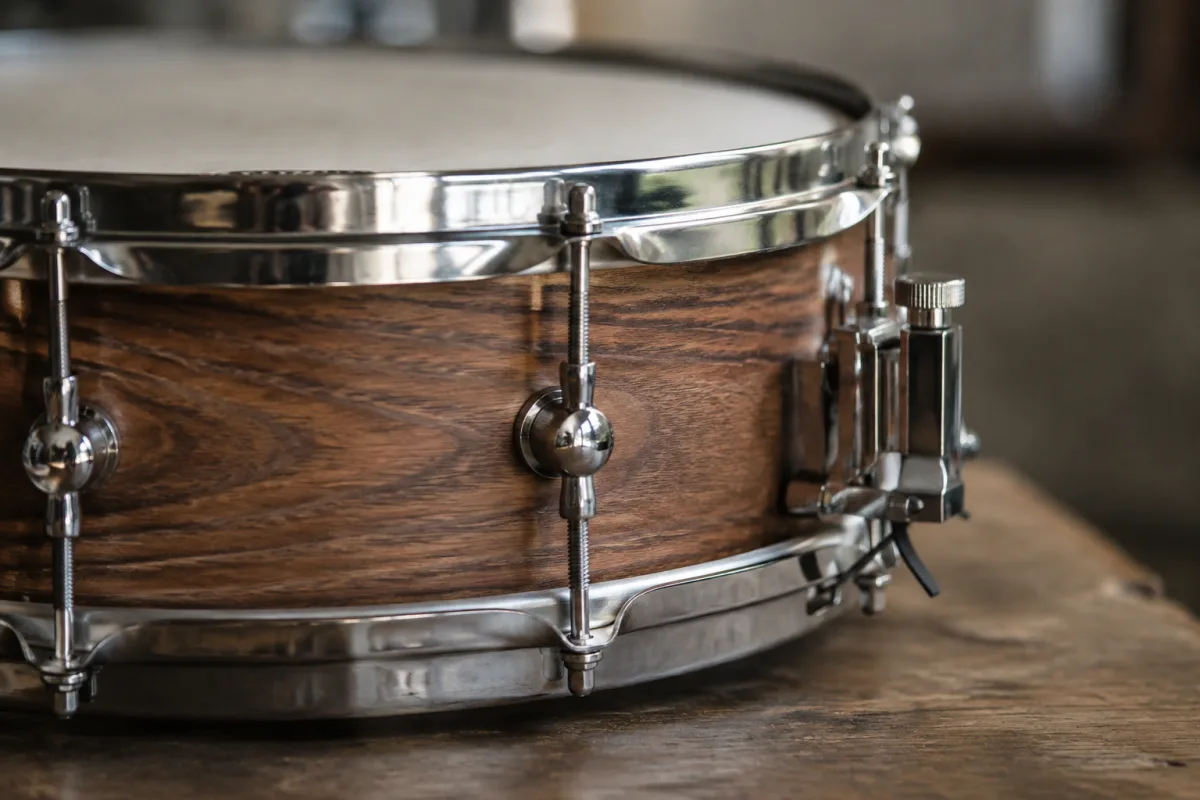
Wooden snare drums sit at an intersection of craftsmanship, acoustics, and personality. Unlike metal snares that ring with brightness, wooden snares produce warm, focused tone that appeals to jazz musicians, funk players, and recording professionals. If you're considering buying a wooden snare drum, you're making a choice about the fundamental character of your drumming. This isn't a casual purchase—it's selecting an instrument that will define your sound for years.
Understanding Wooden Shell Construction
Wooden snares consist of multiple wood plies laminated together, typically birch, maple, or specialty woods like oak or walnut. The number of plies (usually 6-14) and wood choice dramatically affect tone character. Thinner shells with fewer plies produce brighter, more articulate tone. Thicker shells with more plies generate warmer, rounder sound.
When buying a wooden snare, understand that wood choice matters musically. Birch produces warm yet articulate tone. Maple offers similar character with slightly more warmth. Walnut and oak produce darker, deeper tone favoured for specific musical styles. Choose wood based on the sound you're pursuing, not just availability.
Shell Diameter and Depth: Sizing Your Snare
Standard snare drums measure 14" diameter with depths ranging from 5" to 8". A 14"x5" snare is compact and focused. A 14"x8" snare produces deeper, more powerful tone. Depth choice affects how much volume and projection your snare delivers.
For jazz, funk, and small ensemble playing, 14"x5" wooden snares are traditional and appropriate. For louder, rock-oriented playing, deeper 14"x6.5" or 14"x7" snares suit better. Consider your primary musical style when choosing depth.
Bearing Edge Profile and Sound Character
The bearing edge (how the shell's top and bottom edges are shaped) influences tone fundamentally. A sharp bearing edge produces bright, articulate attack. A rounded bearing edge generates warmer, rounder sound. A combination edge balances both characteristics.
Premium wooden snares invest heavily in bearing edge precision. Quality bearing edges remain stable and true years after construction. Budget wooden snares sometimes have inconsistent bearing edges, producing uneven tone and tuning difficulty.
Snare Wires and Strainers
Snare wires—the metal coils on the snare drum bottom—determine how much snap and sensitivity your snare delivers. More wires (typically 14-20) produce more defined sensitivity. Fewer wires create less defined but punchier snap. Wire gauge and coil tension also affect response.
Strainers (mechanisms that engage/disengage the snare wires) should operate smoothly without rattling or slipping. Quality strainers make snare tuning practical and reliable. Budget snares sometimes have problematic strainers that frustrate adjustment and stability.
Hardware Quality and Construction
Wooden snare drums rely on quality hardware—lugs, hoops, tension rods, and strainer mechanisms. Quality hardware maintains tuning stability and survives years of playing. Budget wooden snares sometimes compromise on hardware, creating frustration through poor tuning retention and mechanical issues.
When buying, check lug design and strength. Do they grip the shell firmly? Quality lugs prevent shell shifting that causes tuning instability.
Finish Options and Aesthetics
Wooden snares are offered in numerous finishes: natural wood, lacquer, stain, and specialty finishes. Natural wood finishes highlight grain patterns beautifully. Lacquer offers protection and visual depth. Specialty finishes can mark identity or style.
Finish choice is primarily aesthetic, though some drummers believe unfinished wood sounds marginally better. The difference is subtle compared to construction quality. Choose finish based on visual preference and maintenance comfort.
Ply Count and Thickness Implications
Thin-ply shells (6-8 plies) are sensitive and responsive, favoured for jazz and subtlety-focused playing. Thick-ply shells (12-14 plies) are more robust and project louder, suited for rock and ensemble playing. Very thin shells (4-5 plies) are extremely sensitive and demanding.
Budget wooden snares often emphasize ply count marketing. More plies doesn't automatically mean better sound—wood quality, bearing edge precision, and hardware matter equally or more.
Price Tiers and Value Expectations
Budget wooden snares (£100-£250) offer decent tone and reasonable reliability. Quality wooden snares (£250-£500) represent significant improvement in wood selection, bearing edge precision, and hardware durability. Professional-grade wooden snares (£500-£1000+) offer premium materials and meticulous craftsmanship.
The value proposition peaks around £300-£450. Beyond this range, you're paying for brand heritage and marginal improvements rather than fundamental soundness.
Comparing to Metal Snares
Metal snares produce bright, cutting tone that sits well in rock and loud ensemble contexts. Wooden snares produce warm, focused tone better suited for jazz and studio recording. The choice reflects musical style and context, not one being universally superior.
Many professionals own both wooden and metal snares, choosing based on musical context. Starting with one quality wooden snare teaches you nuanced snare playing fundamentals.
Special Wood Options and Their Sound Impact
Birch and maple are standard, offering proven sound character. Walnut produces noticeably darker, more mellow tone—brilliant for specific jazz and funk contexts. Oak delivers darker projection suitable for louder playing. Specialty woods (purpleheart, padauk, rosewood) offer unique character but cost significantly more.
When buying specialty wood snares, prioritise sound character over wood novelty. A maple snare with exceptional bearing edge outperforms an exotic wood snare with mediocre construction.
Common Wooden Snare Myths and Realities
Myth: "Vintage wooden snares always sound better." Reality: Construction quality varies tremendously. Poorly maintained vintage snares often sound worse than quality modern ones.
Myth: "Expensive wooden snares are always superior." Reality: Brand heritage and marketing inflate prices beyond performance improvements. Mid-range quality snares often deliver better value.
Myth: "Wooden snares are fragile and impractical." Reality: Quality wooden snares are robust and reliable with proper care. Weather and humidity affect them, but carefully maintained wooden snares last decades.
Humidity and Environment Considerations
Wooden shells respond to humidity changes, which can affect tuning and intonation. In dry environments, you might need humidification. In wet environments, shells can swell. Awareness of your environment helps you maintain your wooden snare's stability and sound quality.
After-Purchase Care and Maintenance
Wooden snares require modest maintenance. Regular head replacement (every few months with heavy use) maintains sound quality. Occasional shell cleaning and lug tightening ensure reliability. Avoid extreme temperature fluctuations and humidity swings.
Discover more in our comprehensive guide to wooden snare drums and components for detailed reviews and professional recommendations.
Buying a wooden snare drum is committing to a specific musical aesthetic. Wooden snares reward precise playing and reward musicianship with gorgeous, focused tone. Choose quality construction over exotic wood novelty. Select specifications matching your musical style. A mid-range quality wooden snare becomes a faithful instrument for years, developing richer character through use and producing tone that inspires your playing.


Comments