


Wooden Snare Drum article
Wood Snare Drum Hoops: A Complete Guide
Wooden snare drums offer versatile tone and response across genres. From birch brightness to maple warmth, these instruments deliver the articulation and character that define modern drumming.
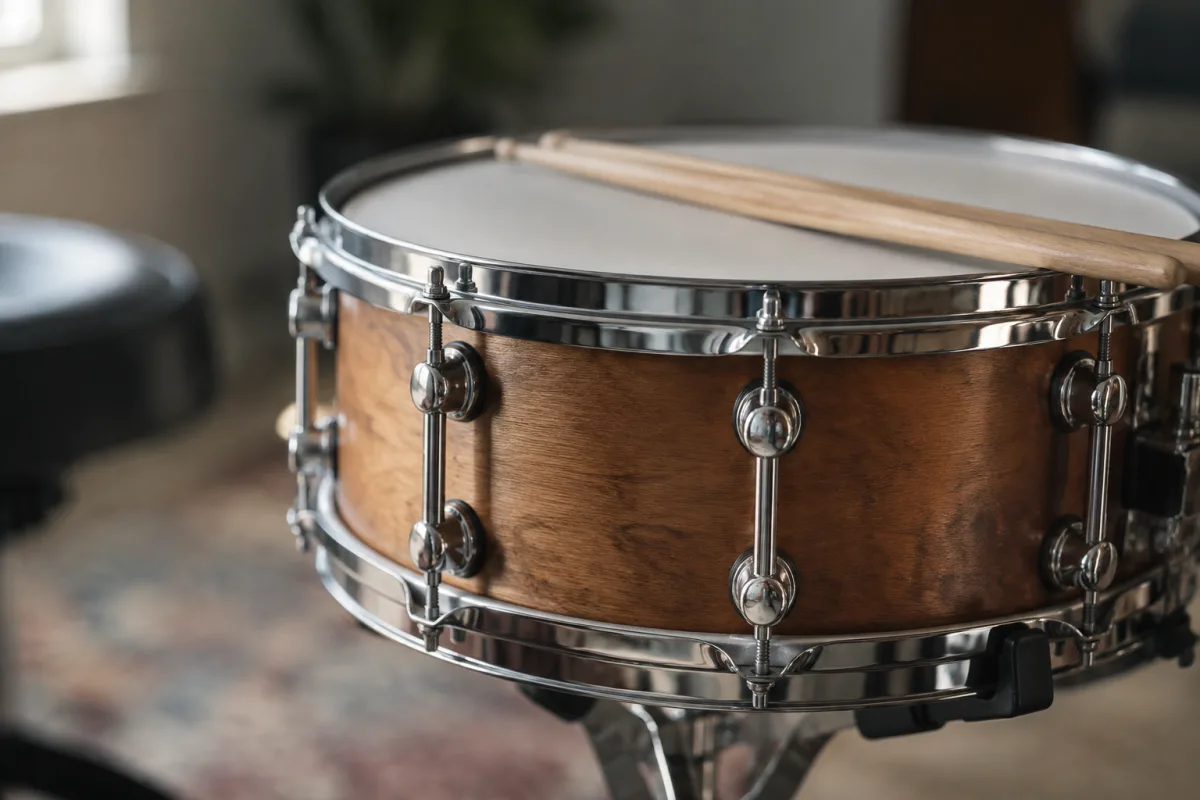
Wooden snare drums represent one of the most versatile percussion instruments, prised by drummers across every musical genre from jazz to metal. Whether you're setting up your first kit or upgrading to a premium instrument, understanding what distinguishes a quality wooden snare drum can transform your tone and performance.
The Anatomy of a Snare Drum
At its core, a snare drum consists of a cylindrical wooden shell with two heads stretched tightly across top and bottom, and a series of wires or springs—the snares—stretched across the bottom head. When struck, these snares vibrate against the bottom head, creating the characteristic crack and sizzle that defines the snare's voice. The wooden body acts as a resonance chamber, colouring the overall tone.
The shell material matters enormously. Maple delivers bright, articulate tones favoured in studio recording. Birch produces warm, focused tones perfect for live performance. Poplar offers budget-friendly options without sacrificing playability. Each wood imparts distinct tonal characteristics based on its density and grain structure.
Shell Size and Depth
Standard sizes for this type of drum range from 14" diameter with 5.5" depth to 14" by 8" depth. A shallower drum produces crisp, punchy tones ideal for rock and pop. Deeper shells generate more resonance and sustain, favoured in jazz and fusion contexts. The 5.5" depth represents the most versatile choice, working equally well in studio and live settings.
Smaller diameter snares (12" or 13") exist primarily for specific musical applications. These produce brighter, higher-pitched tones suitable for lighter musical styles or as secondary instruments in large kits. Most working drummers maintain one 14" instrument as their primary choice.
Wooden Construction and Quality Indicators
Premium wooden snare drums feature multiple plies of wood laminated together to create the shell. Three-ply shells balance resonance and projection. Six-ply or eight-ply constructions deliver more articulation and focus. The number of plies directly affects how the drum responds to different playing techniques.
Bearing edges—the shaped edges where the heads seat—require precision manufacturing. Sharp bearing edges favour dynamic response and controlled sustain. Slightly rounded edges produce more open, washy tones. Professional manufacturers invest heavily in bearing edge machinery to ensure consistency across every unit produced.
Reinforcement hoops, typically made from chrome or wood, support the shell structure and affect durability. Metal hoops allow pitch bending and offer durability for touring. Wooden hoops complement aesthetic appeal and are increasingly popular in modern designs.
Snare Wires and Response
The snare mechanism dramatically influences the instrument's character. Traditional steel wires stretched across the bottom head remain the most common choice. The number of wires—typically 16, 18, or 20 per strand—affects brightness and sensitivity. More wires produce crisper, more articulate tones. Fewer wires yield darker, more open sounds.
Snare tension settings allow dramatic tonal adjustments. Tightening the snares increases brightness and reduces sustain. Loosening them produces darker, more washy tones. This single adjustment offers surprising creative flexibility, allowing one drum to cover multiple sonic territories.
Sound Characteristics Across Genres
Jazz drummers typically favour warm-sounding instruments with pronounced resonance. A deep wooden drum with loose snares and bright heads suits this application perfectly. The resulting tone complements upright bass and acoustic instruments seamlessly.
Rock and metal drummers need projection and cutting power. Shallower drums with tighter snares deliver the necessary articulation to cut through electric guitars and dense arrangements. Many rock players favour hardwood shells like maple for their bright, punchy character.
Studio recording benefits from instruments that capture detail and nuance. A well-constructed wooden unit responds to subtle playing dynamics, capturing every variation in striking technique. This sensitivity translates into expressive recordings that reflect the drummer's actual performance.
Heads and Hardware Considerations
The drumheads significantly impact tone. Coated heads produce warmer, darker tones. Clear heads deliver brighter, more cutting sound. Professional drummers often maintain multiple spare heads for quick changes during sessions or performances.
Hardware quality affects responsiveness and tuning stability. Quality tension rods, lugs, and bearing edge construction ensure the drum holds pitch and responds consistently to striking. Budget instruments sometimes feature loose hardware that compromises feel and consistency.
Buying Considerations
Budget considerations help narrow your choices. Entry-level instruments under £300 offer adequate playability for learning. Mid-range drums between £300 and £700 deliver professional sound quality. Premium instruments above £700 feature exotic woods and handcrafted construction.
Try before purchasing whenever possible. Every wooden drum sounds unique, and personal preference matters as much as specifications. A supposedly ideal drum might not match your aesthetic or sonic preferences.
Conclusion
A wooden snare drum remains an essential component of any drummer's arsenal, offering immediate response, distinctive character, and musical versatility. Whether you're exploring jazz subtlety, rock power, or studio precision, investing in a quality instrument transforms your playing experience and musical expression. The combination of craftsmanship, tonal possibilities, and endless customisation options makes this percussion fundamental to modern drumming across all genres.





Comments