


Travel Drum Kit Buying guide
Travel Drum Kit: A Complete Buyer's Guide
A comprehensive buyer's guide to travel drum kits, covering categories, essential specifications, acoustic vs electronic options, venue considerations, and price tier analysis.
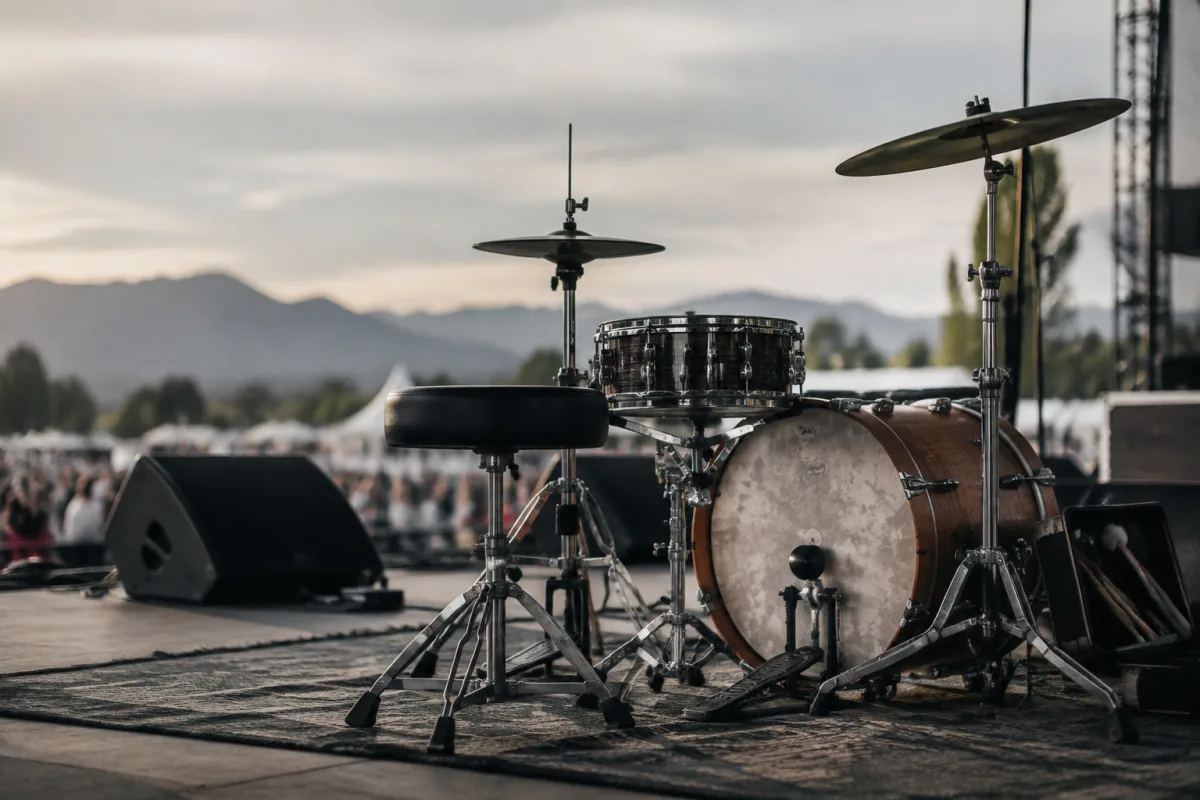
Drummers who gig regularly or travel frequently face a unique challenge—how do you maintain your craft without hauling a full-sized kit across the country? Travel drum kits solve this problem by offering playable percussion instruments in compact, portable packages. Yet selecting the right travel kit requires balancing portability against playability, sound quality against weight, and budget against features. This comprehensive buyer's guide walks you through essential considerations, helping you find a travel kit that suits your lifestyle whilst not compromising your musicianship.
Understanding Travel Drum Kit Categories
Travel drum kits fall into distinct categories, each suited to different touring scenarios. Compact full kits include kick drum, snare, tom-toms, and cymbals in a reduced size—ideal for drummers needing a complete setup for venues and rehearsals. Electronic drum kits (pads with sound modules) offer extreme portability with infinite customisation options. Hybrid kits combine acoustic drums with electronic components, providing both acoustic feel and electronic flexibility. Cajón and frame drum options supply minimal-footprint percussion for unplugged performances. Choosing between categories depends on your playing context and musical requirements.
Essential Specifications for Travel Kits
Drum shell dimensions and weight: Travel kits sacrifice some bass and projection compared to full-sized kits. Smaller shells (14-16" kick drums instead of 20-22") reduce volume but significantly decrease weight. Evaluate whether reduced volume and bass suits your venues and amplification setup. Total kit weight directly impacts travel feasibility—anything above 30 kilograms becomes genuinely burdensome for frequent air travel or public transportation.
Playability and feel: Compact kits sometimes sacrifice feel and responsiveness to achieve portability. Strike the drums personally if possible, assessing whether they respond naturally to your touch. Electronic kits' pad responsiveness varies dramatically—some feel wooden and unresponsive, whilst quality options capture real drumming feel convincingly. This distinction matters for maintaining technique whilst touring.
Sound quality and tone: Travel kits generally produce less volume and bass than full kits. Evaluate whether the sonic character suits your music style. Some travel kits sound tinny and cheap; quality options maintain respectful tone despite reduced size. Listen to multiple audio demos in your musical genre before deciding.
Setup and breakdown time: Tournament drummers need kits that set up quickly—perhaps 5-10 minutes maximum. Complex modular designs take excessive time assembling between sets. Evaluate whether hardware design facilitates rapid assembly/disassembly. Cases with pre-designated component placement significantly speed workflow.
Durability and build materials: Travel kits endure rough handling during transit. Examine shell materials (birch, maple, or composite options vary in durability), bearing edge construction, and lug quality. Cases should feature reinforced corners, impact-absorbing padding, and secure hardware compartments. Cheap cases destroy expensive kits during travel.
Key Factors to Verify Before Purchasing
Venue requirements: Contact venues where you'll perform to understand their technical setup. Some venues have house kits available, allowing you to leave your travel kit at home. Others provide amplification enabling smaller kits to fill larger spaces. Understanding venue capabilities shapes travel kit selection.
Transportation method: Evaluate how you'll transport your kit. Airlines have luggage restrictions (typically 23kg maximum per checked bag). Car touring allows heavier kits. Public transportation limits practical weight significantly. Match kit weight and case dimensions to your primary transportation method.
Sound reinforcement available: Electronic kits and smaller acoustic kits rely on amplification to fill large venues. Confirm venues provide PA systems capable of supporting your kit adequately. Portable PA systems (available for £200-800) enable smaller kits to work in venues without house systems.
Compatibility with backing tracks/click tracks: Many touring drummers play with backing tracks and click tracks. Electronic kits integrate naturally with this workflow. Acoustic travel kits require separate click track monitoring through earpieces. Consider your workflow preferences when choosing between acoustic and electronic travel options.
Common Purchasing Pitfalls
Pitfall 1: Prioritising weight savings over playability. Ultra-light kits sometimes sacrifice responsiveness so severely that playing feels unnatural. Choosing a kit 2-3 kilograms heavier might seem problematic until you realise maintaining proper technique is impossible on unresponsive hardware. Balance portability with playability—a kit too uncomfortable to practice on defeats the purpose.
Pitfall 2: Underestimating case importance. A mediocre drum kit in a quality case travels better than excellent drums in cheap cases. Hard cases with impact-absorbing padding and secure hardware compartments protect your investment far more effectively than soft cases, regardless of drum quality.
Pitfall 3: Confusing electronic kit capability with acoustic playing feel. Electronic pads don't feel exactly like acoustic drums—the playing experience differs. If you primarily play acoustic kits, electronic travel options require adaptation period. Test electronic pads personally before purchasing if acoustic feel matters to your workflow.
Pitfall 4: Overlooking amplification requirements. Smaller travel kits often need PA systems to project adequately in venues. Budget for portable amplification if venues don't provide systems. A £300-500 portable PA enables small travel kits to fill reasonable-sized venues effectively.
Pitfall 5: Selecting based on colour/aesthetics over function. Beautiful cases shouldn't override practical considerations like portability, durability, and setup efficiency. Function absolutely determines whether you'll actually use your travel kit regularly.
Travel Kit Price Tier Analysis
Budget tier (under £300): Ultra-compact kits with significant playability compromises. Adequate for learning or casual bedroom playing, but genuinely challenging for professional touring. Build quality often disappointingly cheap.
Mid-range (£300-800): Decent travel kits balancing portability with playability. Suitable for gigging musicians willing to adapt their technique slightly. Quality cases included. Most touring drummers' primary choice.
Premium (£800-1,500): High-quality travel kits from respected manufacturers. Excellent playability and durability. Often modular, allowing configuration changes depending on venue requirements. Preferred by professional touring musicians.
Professional tier (above £1,500): Boutique travel systems offering exceptional quality, customisation, and professional support. Usually reserved for established touring acts with substantial budgets.
Acoustic vs. Electronic Travel Kits: The Decision
Choose acoustic travel kits if: You primarily play small venues with good acoustics, you prefer traditional drumming feel, you want instant volume without amplification, and you're comfortable with louder sounds during rehearsal.
Choose electronic travel kits if: You play diverse venues ranging tiny to large, you need quiet practice options, you want complete portability, you use backing tracks/click tracks regularly, or you value endless sound customisation possibilities.
Consider hybrid options if: You want acoustic feel with some electronic flexibility, you're willing to carry slightly more weight, and you want versatility across different venue types.
Making Your Purchase Decision
Test potential kits personally if possible—travel to retailers where you can play several options, comparing playability and feel. Watch video demos of your specific shortlisted kits in actual touring scenarios. Read detailed user reviews from touring professionals working in your musical genre. Check return policies carefully in case your purchase doesn't work practically with your specific venues and transportation situation.
Expanding Your Travel Drum Kit Knowledge
For comprehensive information about travel drum kit options, specific models, and detailed feature comparisons, explore our complete guide to travel drum kits, which covers available options, brand comparisons, and practical setup guidance.
Conclusion: Investing in Portable Musicianship
A quality travel drum kit represents freedom for touring drummers—the ability to maintain your craft whilst exploring new venues and audiences. By understanding kit categories, evaluating essential specifications, and avoiding common pitfalls, you make a purchase supporting your touring ambitions rather than limiting them. The right travel kit becomes your trusted companion, enabling consistent, quality performances across diverse venues and continents.


Comments