


Shell Pack article
Shell Pack for Beginners: A Complete Guide
A beginner's guide to drum shell packs, covering what they include, standard configurations, shell materials, components needed to complete a kit, and evaluation tips.
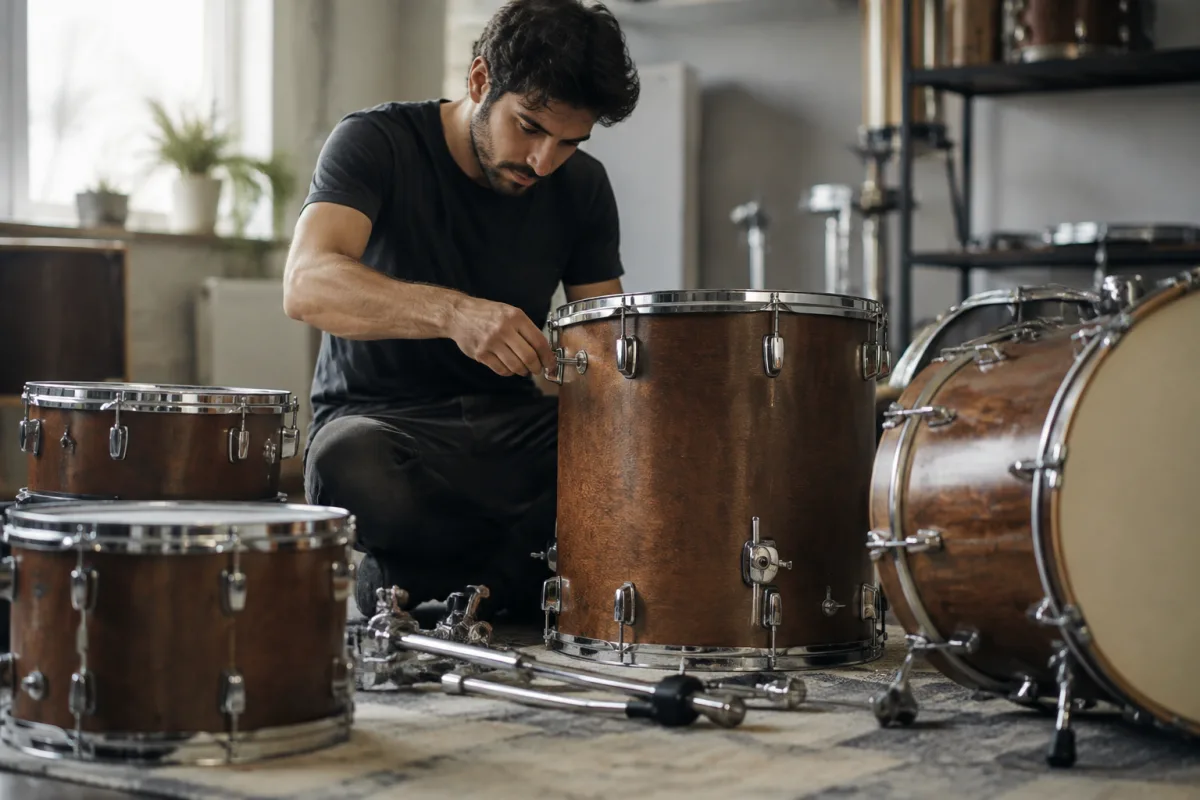
When shopping for your first drum kit, you'll encounter the term "shell pack"—and if you're new to drums, this terminology might confuse you. Simply put, a shell pack contains the drum shells themselves (the wooden cylinders that produce sound), but not the hardware, cymbals, or pedals needed for a complete kit. Understanding what shell packs include, what you'll need to add, and how to evaluate them helps you assemble a complete kit that truly meets your needs and budget. This beginner's guide demystifies shell packs and helps you make informed purchasing decisions.
What Exactly Is a Shell Pack?
A drum shell pack contains the core drum shells—typically a kick drum (bass drum), snare drum, and one or more tom-toms. What it doesn't include are the stands, pedals, cymbals, tuning heads, or mounting hardware. Think of a shell pack as the foundation of your kit, with everything else purchased separately. This modularity appeals to budget-conscious beginners who might already own cymbals or hardware from other sources, and to experienced drummers who want to customise every component.
Understanding this distinction is crucial because beginners often assume "shell pack" means "complete kit" and then feel frustrated when they realise additional purchases are required. Shell packs actually offer flexibility—you control exactly what hardware, cymbals, and accessories you add based on your specific needs.
Standard Shell Pack Configurations
Most manufacturers offer shell packs in standard configurations, though options vary. A basic four-piece shell pack typically includes a kick drum (22" or 20" diameter), a snare drum (14" diameter), and two tom-toms (typically 10" and 12" or 12" and 16"). Five-piece configurations add a floor tom (14" or 16"). Some manufacturers offer three-piece shells (kick, snare, and one tom) or larger configurations with additional toms. Different configurations suit different musical styles and space constraints.
The kick drum diameter significantly affects sound character—22" drums sound deeper and more bass-heavy, whilst 20" kick drums sound tighter and more punchy. As a beginner, either works fine; you'll simply notice the tonal difference once you're playing regularly. Tom size configurations determine melodic range—larger toms sound deeper, smaller toms sound higher.
Materials and Build Quality: What Makes Shells Matter
Drum shells are typically constructed from wood—birch, maple, ash, or poplar are common choices. Birch offers warmth and good projection; maple provides brightness; ash delivers warm mid-range. Composite shells (synthetic materials) offer durability at lower prices. Budget shell packs often use thin shells with simple bearing edges, limiting tone quality. Higher-quality packs feature thicker shells and precision-cut bearing edges that significantly improve sustain and resonance.
As a beginner, don't obsess over shell material selection—most beginner-level packs sound respectable enough for learning. Focus instead on build quality: solid shell construction, consistent bearing edges, and secure lugs (the hardware holding the drum heads). These characteristics determine whether your kit will sound acceptable and hold tuning reliably as you develop your skills.
What You'll Need to Add to Your Shell Pack
Completing a kit requires several additional purchases beyond the shell pack:
- Drum heads: Shells arrive with factory-installed heads, though budget packs sometimes include cheap heads worth replacing immediately. High-quality heads dramatically improve sound and are your first upgrade.
- Hardware: Stands for tom-toms, snare, and cymbals aren't included. Quality hardware is essential—cheap stands feel flimsy and affect tuning stability. Budget £200-400 for a decent hardware package.
- Cymbals: Hi-hats, crash, and ride cymbals complete your setup. Beginner cymbal packs (£150-300) offer acceptable quality for learning; professional-level cymbals cost significantly more.
- Kick drum pedal: The pedal connecting your foot to the kick drum impacts playability significantly. Entry-level pedals suffice, though quality pedals improve feel and responsiveness.
- Tuning tools and accessories: Drum keys (for tightening tension lugs), sticks, and practice pads. These accessories are inexpensive but essential.
Budget-conscious beginners often purchase shell packs and add components gradually. Alternatively, "full kits" (shell pack plus hardware and cymbals) cost marginally more and simplify setup. Evaluate your total budget before choosing between shell pack + components versus complete kits.
Evaluating a Shell Pack Before Purchasing
Strike the shells personally if possible. Listen to their fundamental tone. Do they resonate naturally, or do they sound dead and dull? Ring your knuckles against the shells—good quality shells sustain the ring longer than budget packs. This simple test reveals shell quality more honestly than specifications.
Examine the bearing edges. These are the precision-cut edges where the drumhead seats. Rough, uneven bearing edges cause tuning instability and poor tone. Run your finger around the edge—it should feel smooth and consistent. Inconsistent bearing edges indicate cheaper shells.
Check lug quality and security. Lugs should feel tight, with no rattling when gently shaken. Loose or poorly constructed lugs create unwanted noises and affect tuning stability—seemingly minor issues that become major frustrations during playing.
Verify drum head condition. Factory-installed heads vary in quality. Budget heads often sound thin and short-lived. Quality packs include decent heads; cheap packs often warrant immediate replacement for better sound and longevity.
Common Beginner Mistakes with Shell Packs
Mistake 1: Underestimating component costs. Beginners often focus on shell pack pricing, then get sticker shock when adding stands, cymbals, and pedals. Factor your total budget upfront. A £300 shell pack might require £400-600 in additional purchases, totalling £700-900 for a complete kit.
Mistake 2: Buying cheap hardware separately. Saving money on stands and hardware creates a frustrating playing experience. Cheap stands won't hold drums securely, affecting both sound and your ability to develop proper technique. Invest in decent hardware—it's your most important component purchase beyond the shells.
Mistake 3: Ignoring shell pack quality differences. Budget shell packs sound noticeably worse than mid-range packs. Tonal differences are genuine, not imagined. Hearing a truly good drum kit motivates practice; a poorly sounding kit discourages learning. Spend enough on shell quality to get decent sound.
Mistake 4: Starting too large. A five-piece or six-piece shell pack seems impressive, but beginners often struggle managing extra drums. A four-piece configuration lets you focus on fundamentals before adding complexity. You can always expand later as your skills develop.
Building Your First Kit from a Shell Pack
Approach kit assembly methodically. Start with shell packs in three- or four-piece configurations—manageable complexity for learning. Add mid-range stands and hardware (typically £250-400)—quality hardware deserves investment because you'll use it daily. Choose beginner-level cymbal packs (£150-250)—these sound fine for learning, upgradeable later as your ear develops. Budget for a decent kick drum pedal (£100-150) ensuring responsive, reliable feel. Add tuning tools, sticks, and maintenance supplies.
Deepening Your Shell Pack Knowledge
For comprehensive information about drum shell packs, complete kit configurations, and guidance on building custom kits from individual components, explore our complete guide to drum shell packs, which covers detailed component breakdowns, upgrade paths, and matching components to your specific needs.
Your Drum Kit Awaits
Understanding shell packs empowers you to build a kit perfectly suited to your needs and budget. Shell packs aren't mysterious or complicated—they're simply a modular approach to kit assembly. With this knowledge, you'll confidently select shells, add quality components, and create a playing setup that serves your musical development for years ahead.


Comments