


Shell Pack Buying guide
Shell Pack: A Complete Buyer's Guide
A shell pack gives you just the drums without hardware or cymbals. Here's exactly what to evaluate and what you'll need to add.
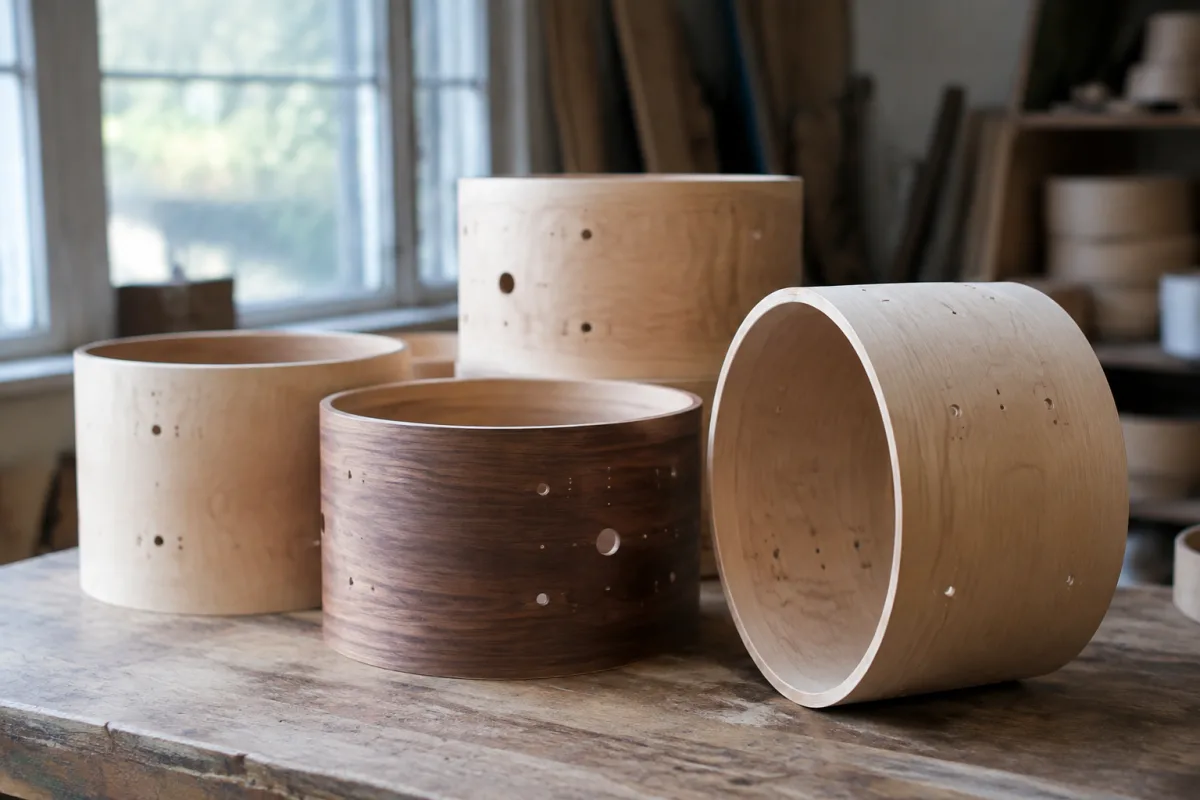
Understanding Shell Packs: What You're Buying
A shell pack is a drum kit without hardware, cymbals or stands — just the drum shells themselves. If you already own quality cymbals, stands or hardware, or if you want to build a custom kit from separate components, a shell pack offers flexibility and sometimes significant savings. Before buying, you need to understand exactly what you're purchasing and what you'll need to add.
What Comes in a Shell Pack
A typical shell pack includes the essential drum shells: a bass drum, three tom drums (high, mid, low) and often a snare drum. That's it. No hardware, no stands, no pedal, no cymbals. Some shell packs omit the snare, so read the specifications carefully before ordering.
Common Configurations
Standard shell packs follow predictable patterns: a 22-inch bass drum, 10-inch and 12-inch tom drums, and a 16-inch floor tom. The exact sizes vary by manufacturer and price point, but these dimensions are typical. Unusual configurations (like 24-inch bass drums or six-piece packs) usually cost more.
Shell Materials and Sound
The shell pack's primary characteristic is the wood used to construct the drums. This fundamentally determines the instrument's sound.
Birch Shells
Birch is a dense hardwood producing warm, focused tone with good definition and projection. It's the industry standard for entry-level and mid-range shell packs. Birch sits in the middle ground — not as bright as maple, not as dark as mahogany. Ideal for beginners because it sounds good immediately and in most musical contexts.
Maple Shells
Maple is slightly brighter and more resonant than birch, with longer sustain. Professional drummers favour maple because its open tone cuts through in band mixes. Maple shell packs cost more than birch, sometimes significantly. However, maple doesn't automatically sound better — it sounds different, and the difference is stylistic, not quality-based.
Mahogany and Specialty Woods
Mahogany produces dark, warm tone. Specialist woods (padauk, bamboo) are sometimes used for boutique or experimental packs. These are usually expensive and stylistic choices rather than practical upgrades for learning drummers.
Construction Quality Differences
Beyond wood type, shell pack quality reflects construction standards.
Shell Wall Thickness
Thicker shells (ply layers) are more rigid and project sound better. Budget shells might use four or five plies; professional packs use six or more. Thick shells also hold tuning better and are more resonant. Listen carefully — if a shell sounds dull and flat, the ply structure is probably thin.
Bearing Edges
Bearing edges are the shaped top and bottom edges where you tension the drum heads. Sharp, precise bearing edges let you tune more finely and produce brighter tone. Rounded or poorly cut bearing edges result in muffled, dull-sounding drums. Run your finger along the bearing edge; it should feel smooth and precisely shaped, not rough or irregular.
Shell Finish
Finish quality affects durability and appearance. Budget packs might have paint or vinyl wraps that chip easily. Professional packs usually feature lacquer finishes that age beautifully. Some manufacturers offer natural wood finishes (stain only, no paint), which look elegant but require more care.
Important Questions Before Buying
When considering a shell pack, clarify these details before purchasing.
Are Lugs Included?
Lugs are the metal hardware that mount the shells to stands. Some shell packs include lugs pre-installed; others don't. If lugs aren't included, you'll need to purchase them separately — a significant additional cost. Always confirm this before ordering.
Are Heads Included?
Drum heads are consumables that you'll replace regularly. Some shell packs arrive with pre-installed heads; others require you to buy them. Pre-installed heads are convenient but are usually budget-quality — you'll want to upgrade eventually anyway.
What Warranty Exists?
Reputable manufacturers warrant shell packs for defects in materials or workmanship. Budget brands sometimes offer no warranty. A solid manufacturer warranty (12–24 months) protects you against manufacturing defects.
Price Tiers and Value
Shell pack pricing reflects wood type, shell construction and finish quality.
Budget Shell Packs (£150–300)
Birch shells, thin ply, basic finish, sometimes without lugs included. Suitable for beginners just starting to learn. Sound is acceptable but flat compared to better packs. Often missing hardware or components — confirm specifications.
Mid-Range Shell Packs (£300–600)
Quality birch construction, solid ply structure, decent finish. Includes most hardware (lugs, heads). These represent the best value for serious amateurs. Sound is professional-grade and suitable for recording and performance.
Premium Shell Packs (£600+)
Maple or specialty woods, meticulous construction, professional finish. These are investments that sound and respond beautifully. Appropriate for experienced players and recording studios.
Hidden Costs and Surprises
New shell pack buyers often underestimate the total cost of a complete kit.
- Hardware not included: Lugs, tension rods and brackets often aren't included in budget shell packs. Budget £100–200 for quality hardware.
- Stands required: You'll need bass drum pedal, tom stands, cymbal stands and a snare stand. Budget £150–400 depending on quality.
- Cymbals: A basic cymbal pack (hi-hat, crash, ride) costs £100–300. Professional cymbals cost much more.
- Drum heads: If not included, budget £30–50 for a full set of replacement heads immediately upon purchase.
- Tuning keys and accessories: These small items add up. Budget another £20–30.
Comparison Shopping Essentials
When comparing shell packs, focus on these concrete factors.
- Ply structure: Confirm shell thickness. Thicker (more plies) is generally better.
- Bearing edge quality: Look for sharp, precisely cut edges — this dramatically affects tone.
- Shell uniformity: Examine multiple shells in the pack. They should sound balanced.
- Hardware included: Clarify exactly what's included. Lugs installed? Heads included? Tension rods?
- Finish durability: Lacquer finishes last longer than vinyl wraps. Natural wood requires care but looks beautiful.
- Warranty: What's covered and for how long?
When Shell Packs Make Sense
Shell packs are ideal when you already own quality hardware and cymbals, or when you want to build a custom kit exactly to your specifications. They're cost-effective if you prioritize sound over convenience. If you're a complete beginner, a complete kit (shells, hardware, cymbals included) is usually simpler and more economical.
The Bottom Line
A quality mid-range shell pack offers excellent value if you understand what you're buying. Choose based on shell material and construction quality, not aesthetics or brand hype. Confirm what's included before ordering — missing hardware can add significant cost. Budget carefully for the additional stands, cymbals and accessories you'll need. A good shell pack is the foundation of a professional-sounding kit that will serve you for decades.



Comments