


Shaker Instrument article
The Complete Guide to Shaker Instrument
The shaker instrument is one of the world's most accessible percussion tools, blending simplicity with sonic versatility. Discover its types, techniques and musical significance.
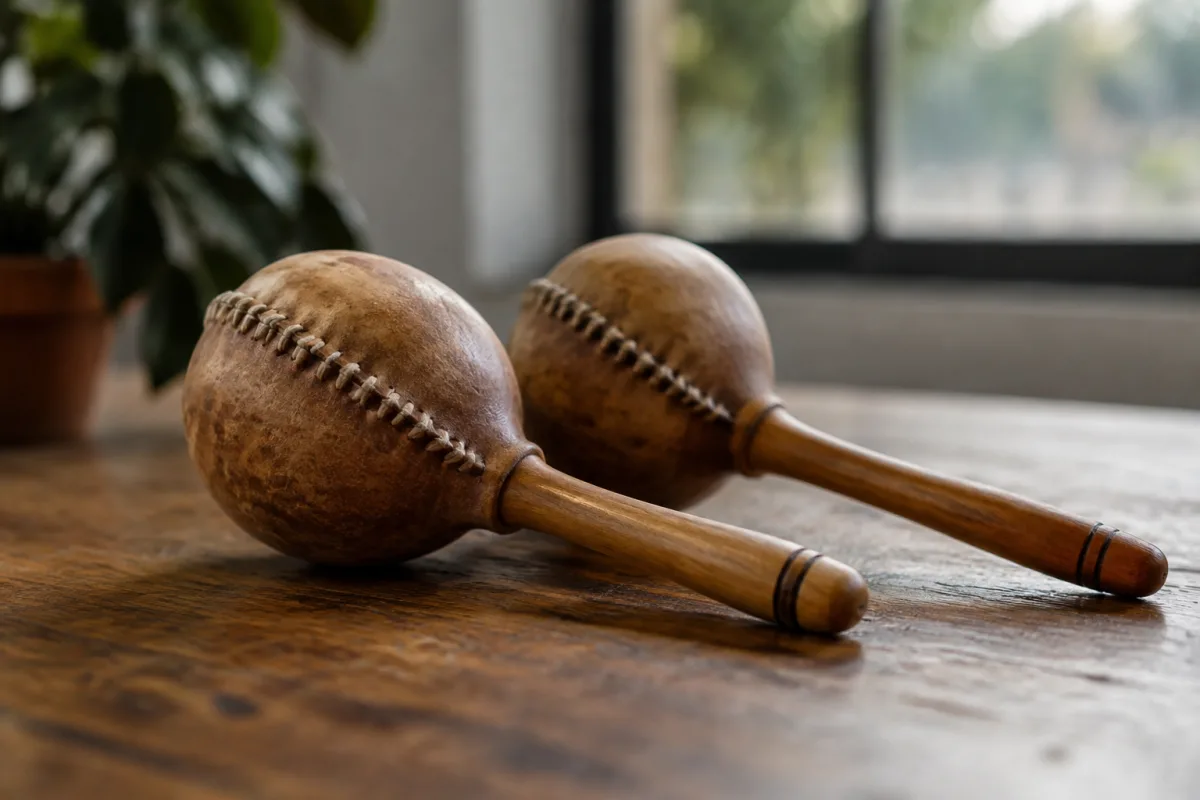
The shaker instrument is one of the most universally recognisable and accessible percussion instruments in the world. Whether you've picked up one at a music lesson, heard it rattling through your favourite song, or noticed them in folk traditions across countless cultures, shakers represent a fundamental category of rhythm-making that transcends boundaries. This guide explores what makes this percussion device distinctive, how it works, the different types available, and why they remain essential in modern and traditional music alike.
What is a Shaker Instrument?
A shaker instrument is a percussion device that produces sound when shaken, typically containing loose material inside a hollow shell or chamber. The materials inside—usually seeds, beads, sand, or granules—vibrate against the container walls and each other, creating distinctive rattling, whooshing, or clicking sounds. This fundamental design has remained virtually unchanged for centuries, making it one of the oldest and most durable percussion concepts.
The beauty of this type of instrument lies in its simplicity and versatility. Unlike drums, which require specific striking techniques, or pitched instruments that demand tuning knowledge, a shaker produces satisfying sound through straightforward shaking motion. This accessibility makes them ideal for beginners, children, and professional musicians seeking an intuitive rhythmic layer.
How They Work
The acoustics rely on several key factors. The materials inside determine the tonal character—smaller beads produce brighter, crispier sounds whilst larger particles or seeds create deeper, warmer tones. The container's shape affects how these materials move and collide, influencing both volume and sustain. Egg shakers, for example, produce quick, articulate hits due to their compact shape, whilst elongated cylinders allow materials to travel further and create longer, swishing sounds.
The density of fill material is equally important. A loosely filled shaker produces slower, more resonant sounds with clear individual particle impacts audible. A tightly packed variant generates a denser, more homogeneous wash of sound. Most musicians adjust fill levels to achieve their desired sonic character for specific musical contexts.
Common Types
These percussion instruments come in remarkable variety, each designed for particular contexts and sounds:
- Maracas: Featuring a handle and bulbous head, these originated in Latin American and Caribbean traditions. Modern versions produce warm, resonant tones ideal for tropical and world music genres.
- Egg shakers: Compact and ergonomic, these egg-shaped varieties fit easily in one hand and produce crisp, articulate sounds. Their portability makes them popular in educational settings and live performance.
- Cylinder/tube shakers: Straight-sided hollow tubes create sweeping, whooshing sounds popular in orchestral and contemporary music. This type allows for extended rolls and dynamic control.
- Cabasa: A rotating handle operates a beaded chain against a ridged cylinder, producing distinctive scratching and scraping tones. This variety blends percussion with melodic possibilities.
- Rattle: Archaeological and ethnomusicological evidence shows rattle-style percussion appears across virtually every world culture, from sacred ceremonies to celebratory events.
- Chocalho: This Brazilian variant features an open end and adjustable fill, offering extended dynamic range and tonal flexibility for samba and tropical styles.
Materials and Construction
Quality instruments employ diverse materials to achieve their sonic character. Natural materials like hardwoods, gourds, and shells offer warm, organic tones valued in acoustic settings. Modern manufacturing produces these devices from plastic, metal, and composite materials, providing durability and consistent results across numerous identical units needed for professional orchestration.
The fill materials themselves vary considerably. Seeds like sesame and birdseed offer gentle, organic tones. Plastic or glass beads produce brighter, more crystalline sounds. Metal BB pellets create sharp, cutting tones favoured in rock and pop contexts. Professional musicians often collect multiple varieties with different fill combinations to suit varied repertoire demands.
Choosing the Right Model
Selecting an appropriate option depends on your musical context and personal preferences. For beginner musicians and educational use, egg shakers or simple handled variants offer gentle learning curves and forgiving sound production. Those exploring world music traditions might seek authentic maracas or ethnic variants that honour their cultural origins. Recording engineers and producers often accumulate diverse types to provide textural variety across different songs and arrangements.
Consider factors like sound character, ergonomic comfort, and intended application. One that feels natural in your hand encourages confident, expressive playing. Those planning studio recording work benefit from several varieties offering distinct sonic signatures—a bright option for cutting through dense mixes and a warmer variant for intimate acoustic tracks creates production flexibility.
In Musical Traditions
This percussion category occupies an honoured place across countless musical traditions. Latin music—particularly salsa, merengue, and samba—relies extensively on the shaker instrument to establish rhythmic foundation and textural richness. African drumming traditions incorporate various rattle styles woven into complex polyrhythmic frameworks. Classical and contemporary orchestral composers call upon these percussion tools to add colour and texture to instrumental palettes.
In popular music, they provide essential rhythmic support across genres from rock to electronic music. Their versatility and approachability have made them studio staples for decades, offering producers an accessible tool for adding layered rhythmic complexity without requiring extensive percussion training.
Playing Techniques
Mastering shaker instrument technique expands musical possibilities considerably. Basic methods include steady pulse shaking at varied speeds, creating rhythmic patterns through alternating hand motions, and developing control over dynamics from gentle whispers to energetic crescendos. Experienced players explore advanced techniques like muted strikes against the body, controlled releases creating diminishing rattles, and intricate polyrhythmic patterns coordinating multiple instruments simultaneously.
Rhythm notation typically uses standard percussion notation, often marked as "Shaker" or with specific symbols denoting type or intensity. Learning to read and interpret these markings allows musicians to work confidently with composers and bandleaders requesting specific textures.
Conclusion
The shaker instrument endures as a fundamental percussion voice precisely because it combines simplicity with surprising sonic depth. Whether exploring your first musical experience or adding textural sophistication to established playing, the shaker instrument rewards exploration and practice. Universal accessibility, cultural significance, and musical versatility ensure that this humble percussion device remains an essential component of musical expression across generations and genres.


Comments