


Shaker Instrument article
Shaker Instrument for Beginners: A Complete Guide
Shaker instruments are the perfect entry point into percussion—they sound good immediately and teach genuine rhythm skills. This beginner's guide shows you how to play confidently.
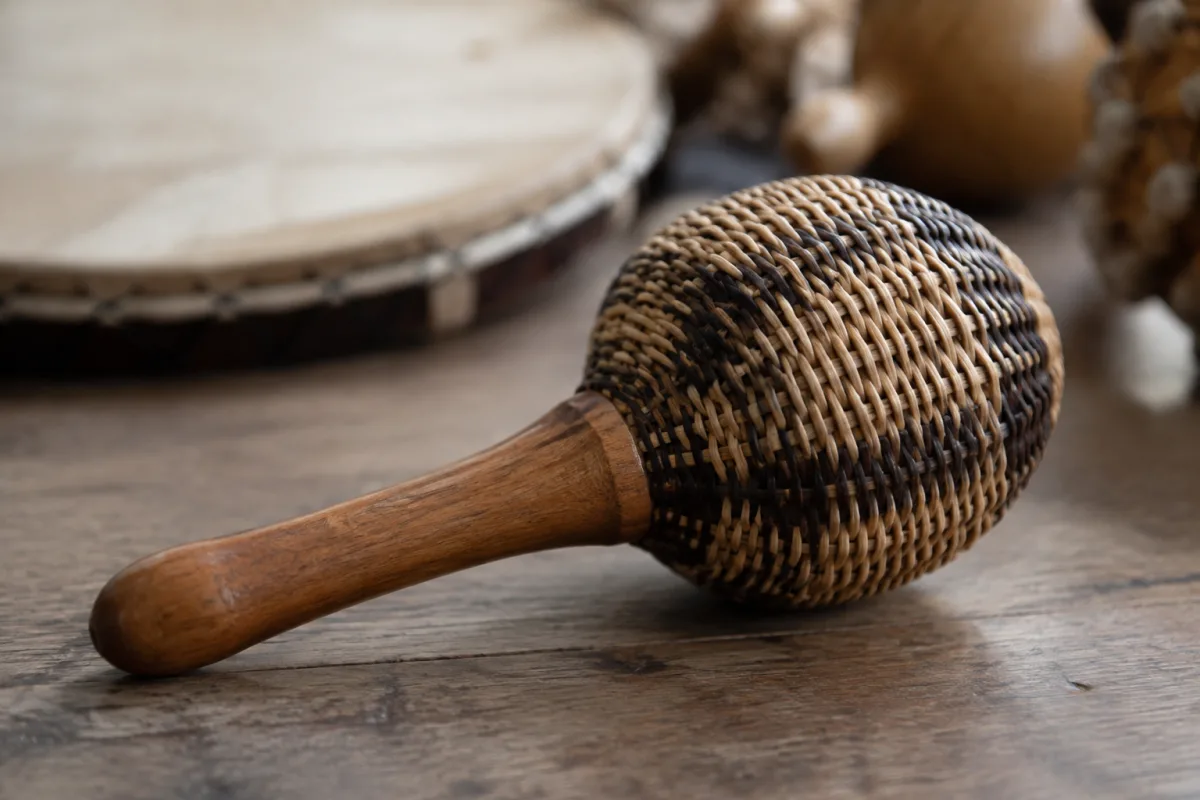
A shaker instrument might be one of the simplest percussion tools you can pick up, but here's what makes it surprisingly special: it's not as easy as it looks, and that's a good thing. When you're just starting out with percussion, shaker instruments are the perfect entry point—they're approachable, they sound good immediately, and they teach you rhythmic discipline that carries over to everything else you'll play. This beginner's guide takes the mystery out of shaker instruments and shows you how to go from first-time player to genuinely musical.
What Exactly Is a Shaker Instrument?
A shaker instrument is a percussion tool filled with beads, beans, seeds, or rice that makes sound when you shake it. That's it. No complicated moving parts, no tuning required, no special knowledge needed. You shake it, it makes a percussive sound. But here's where it gets interesting: how you shake it, what you're shaking, and how you hold it completely changes what you hear. A cheap shaker and an expensive one can sound wildly different, and learning the difference teaches you something valuable about music itself.
Shaker instruments come in dozens of shapes and sizes—plastic eggs, wooden cylinders, elaborate multi-chambered constructions. Each one has a personality. Some have a tight, crisp sound; others are warm and mellow. As a beginner, you'll start with something simple, learn what you like, and gradually understand why different shaker instruments exist.
Why Shaker Instruments Are Perfect for Beginners
Here's the brilliant part about shaker instruments: there's almost no barrier to entry. Pick one up, shake it, and you immediately sound like you're doing something musical. Compare that to a drum kit, where a beginner might struggle to keep a steady beat for weeks. With a shaker instrument, you sound musical from the first moment.
That said, there's actually a depth to shaker instruments that keeps them interesting. A professional percussionist can make a shaker instrument sound incredibly expressive and nuanced. Learning basic rhythm on a shaker instrument builds the foundation you'll need for literally any percussion work later on—drums, hand percussion, mallets, you name it. It teaches timing, dynamics, and feel.
Getting Started: What You Actually Need
Your first shaker instrument doesn't need to be fancy. A basic plastic egg shaker or wooden cylinder from any music shop will serve you perfectly. These cost £5 to £15 and do the job beautifully. Spending £50 on some exotic artisanal shaker instrument before you've learned the basics is like buying a thousand-pound synthesiser when you can barely play a keyboard. Start simple, build your ear, and upgrade later when you know what you want.
You don't need multiple shaker instruments yet, either. One good one—something that feels right in your hand and has a sound you enjoy—is enough to build a real foundation. Some people naturally gravitate toward a tight, precise sound; others prefer something warmer and more open. Your preference will become clear as you play.
How to Hold a Shaker Instrument
This is genuinely important and often overlooked. Hold a shaker instrument too tightly, and your hand will tense up and tire quickly. Your rhythm will suffer too—tension in your hand transmits to your wrist and shoulder, making everything feel stiff. Hold it too loosely, and you lose control of the sound.
The sweet spot is a relaxed grip. Imagine holding something delicate that you don't want to drop, but something you're confident won't break. Your fingers and thumb should be loose enough that someone could gently pull the shaker instrument away, but you're still in control. The shake should come primarily from your wrist, not your whole arm. It's a bit like how you'd hold a drumstick—firm but relaxed.
Basic Rhythm Patterns to Try First
Start with the simplest rhythm: shake on every beat. One-two-three-four, one-two-three-four, matching the pulse of a song you know. Do this for a minute and focus on keeping it even and steady. This is harder than it sounds—consistency is everything in percussion.
Once you can do that confidently, try a more interesting pattern: shake on the beat, then add a shake between the beats. So one-and-two-and-three-and-four-and. Slow it down until you can do it easily, then gradually speed up. This teaches you to feel where the "and" falls, which is fundamental to all rhythm.
Don't try to be clever yet. These basic patterns seem simple, but mastering them builds the muscle memory and rhythmic feel that makes you sound professional. Rush to complex patterns before you've nailed the basics, and your playing will sound sloppy.
Common Shaker Instrument Mistakes Beginners Make
The biggest mistake is trying to make it sound fancy before you've mastered basic control. Beginners often overwork a shaker instrument, shaking constantly with no space or dynamic change. Listen to professional musicians—they use space. They let silence happen. They shake loudly for one phrase and softly for another. That's what sounds musical.
Another common mistake is death-gripping the shaker instrument. Your hand cramps, your rhythm gets tense, and you stop enjoying it. Relax your grip. A shaker instrument doesn't require force—it requires control.
Finally, some beginners give up because they bought a terrible shaker instrument that sounds dull or hollow. If your shaker instrument sounds genuinely awful, it's fair to try a different one. But often, a "bad" sound just means you haven't learned to control the one you've got. Give yourself a few weeks before you conclude it's the instrument's fault.
Where Shaker Instruments Fit in Music
Shaker instruments are everywhere in music—pop, funk, Latin, rock, world music, jazz, electronic production. They add texture and groove. Understanding how to play a shaker instrument confidently means you can contribute musically to jam sessions, recordings, and performances across genres. You're not just learning an instrument; you're learning something that's genuinely useful in real musical contexts.
For a deeper dive into the world of shaker instruments, types, and more advanced techniques, see the complete guide to shaker instrument.
The Bottom Line: Start, Be Patient, Enjoy
Shaker instruments are an underrated gateway into percussion. They're forgiving enough that you'll sound musical from day one, but deep enough that you can spend a lifetime discovering new sounds and techniques. Pick one up, start with basic patterns, relax your grip, and enjoy the process. Within a few weeks, you'll have a real sense of rhythm and feel. Within a few months, you could be playing confidently in a band or jam session. That's the beauty of shaker instruments: they're simple to start, rewarding to master, and genuinely fun all along the way.


Comments